
African American Film Series returns featuring Claressa Shields, civil rights history, and untold cultural narratives
From Claressa Shields to civil rights history, Communities First Inc., film series returns with a new season of powerful Black storytelling.

FLINT, Michigan — For more than a decade, Communities First, Inc. has used film as a doorway into connection, reflection, and shared learning—and this year, the African American Film Series returns with the same intention at its core. This level of commitment is why the group received the Diversity, Equity, and Inclusion Champion of the Year Award at the Flint and Genesee Group’s Art of Achievement Awards.
Now in its 11th season, the beloved community program is once again partnering with the Flint Institute of Arts to spotlight stories that illuminate the power, resilience, and creativity found within Black experiences. From the hometown grit of Claressa Shields in The Fire Inside to the emotional excavation of James Hemings’ legacy in Ghost in America’s Kitchen, the 2025–2026 lineup is designed to spark conversation and expand understanding.
But beyond the titles on screen, the series has become a cultural touchstone—an annual gathering place where Flint residents can see themselves, learn something new, and engage in dialogue that bridges generations.
As Essence Wilson, Chief Strategy Officer for Communities First, Inc., notes, the series’ impact lies in its ability to create a welcoming space for shared experience, community conversation, and deeper exploration of history and identity. For many, these screenings are more than movie nights; they are moments of recognition, discovery, and belonging.
With free admission, gallery access, dinner, music, and guided discussions, each screening offers Flint a space not only to enjoy film but also to think critically, heal collectively, and imagine brighter futures together.
Flintside sat down with Communities First, Inc., to find out what’s in store for the film series’ 11th year.
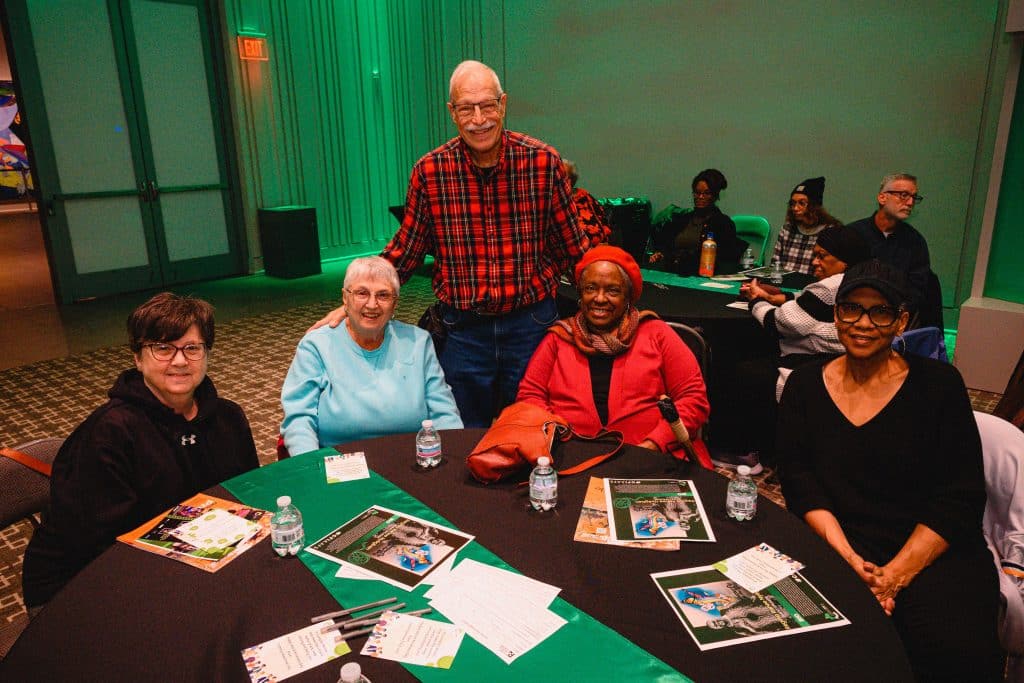
Flintside: What would you say has been the most impactful part of the African American film series on the people of Flint since its birth, 11 years ago?
E. Wilson: “For more than a decade, the African American Film Series has created a space where people can come together for meaningful conversation, reflection, and understanding. It’s a welcoming environment where community members can see themselves—and the world around them—through new perspectives. That space for shared experience and dialogue has been one of the series’ most powerful impacts.”
Flintside: This year, more powerful stories surrounding powerful women like Claressa Shields and the compelling story of James Hemings are being showcased. How are these films selected for the African American Film series?
E. Wilson: “Our films are selected by a volunteer African American Film Series committee made up of Flint-area residents, community members, and film lovers. The committee meets in the months leading up to the series to consider a wide range of titles and ultimately choose the films that will resonate most deeply with our audience.”
Flintside: James Hemings’ emotionally powerful story sheds light on a historical figure that has often been overlooked. Why do you think it’s taken so long for his contributions as a chef and cultural innovator to be recognized?
E. Wilson: “James Hemings’ story reflects a broader pattern we often see with the films in this series—important contributions by African Americans have frequently been overlooked, undervalued, or left out of mainstream historical narratives. Many people tell us, after watching these films, ‘I never knew that.’ Sharing stories like Hemings’ helps correct the record, broaden our understanding of history, and acknowledge the impact of individuals whose legacies deserve far more recognition.”
Flintside: How do you hope these films inspire or shape new conversations-or even new art within Flint’s creative community?
E. Wilson: “Each film screening, and the discussions that follow, offers an opportunity for people to engage more deeply with one another and with our shared history. The series creates a communal experience—enjoying the arts together, talking together, and learning together. We hope the films spark new ideas, new conversations, and perhaps even new creative work within Flint’s arts community. Most of all, we hope they encourage people to see things from different perspectives.”
Flintside: What role do you think storytelling, art, and film can play in healing and reimagining Flint’s future?
E. Wilson: “Storytelling and art—especially film—are powerful catalysts for change. They help us imagine new possibilities, challenge our assumptions, and connect more deeply with one another. That’s a major reason we continue this series year after year. When stories are shared with intention, they can inspire people to think differently and take meaningful action. Film can be a tool for healing, understanding, and re-envisioning what Flint’s future can be.”
You can register to watch at https://tinyurl.com/AAFS2025
Author

Related Articles
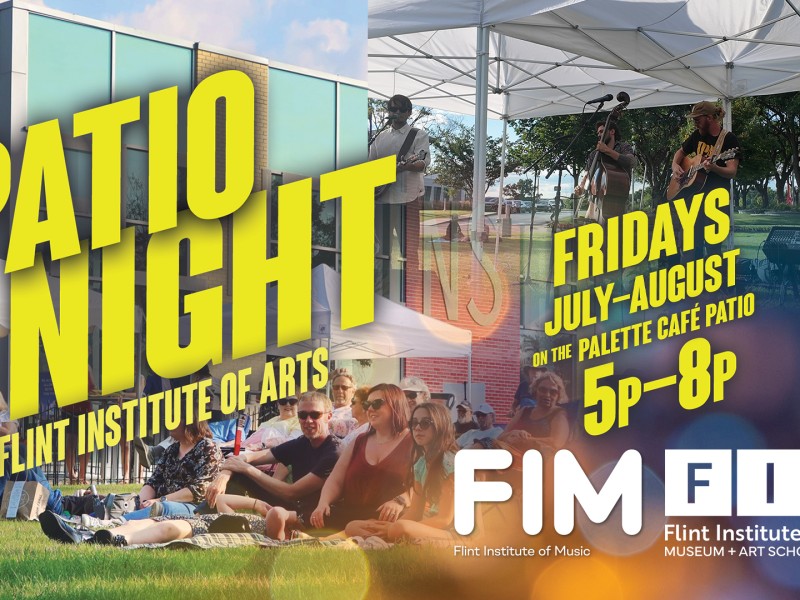
FIA Patio Nights bring live music, art and community together on summer Fridays
FIA’s Patio Nights are offering Flint and Genesee County residents and families a new way to enjoy Friday evenings.
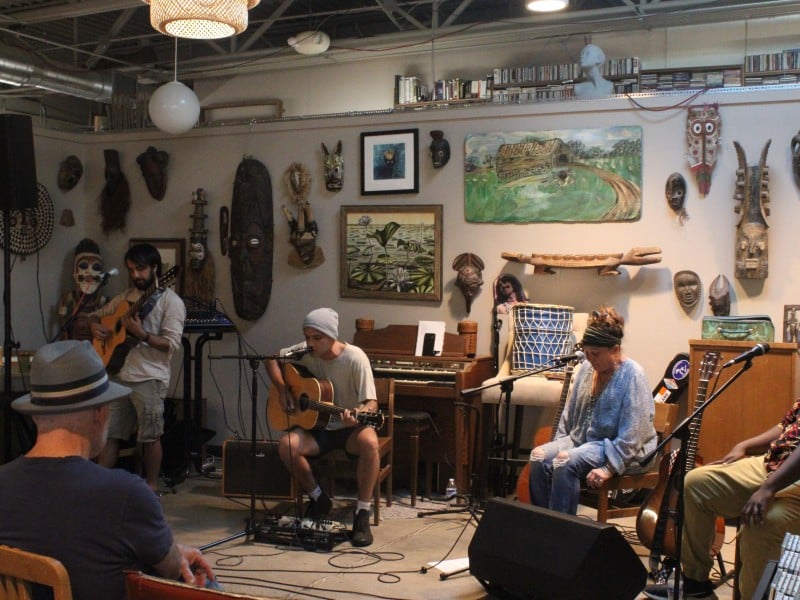
Songwriters’ Round brings Nashville-style storytelling to Flint’s music scene
At Totem Books, Mikey Abbaspour pairs Flint musicians with the stories behind their songs.
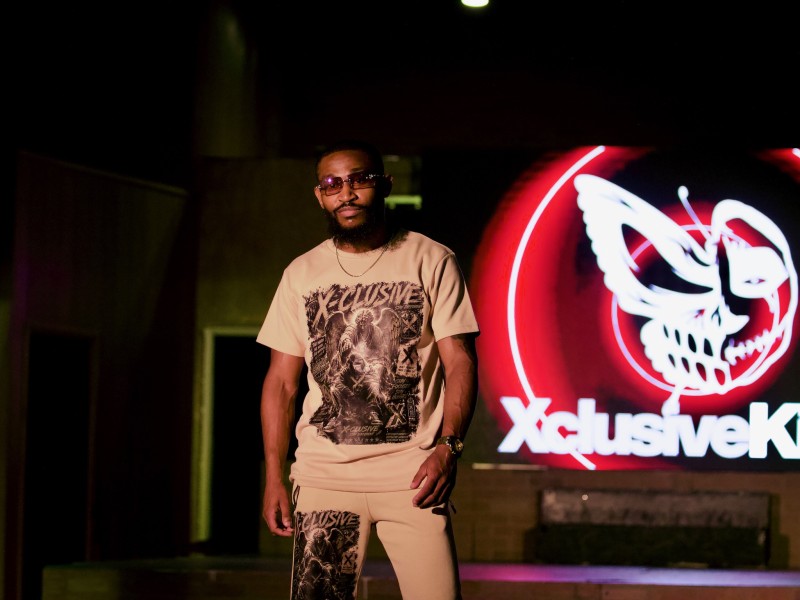
In Pictures: 810 Day Fashion Show
810 Day fashion show continued its annual tradition inside The New McCree Theatre on Aug. 10 2026.