Coalition Building for Immigrant Justice: How FAIR Flint Is Strengthening Support
FAIR Flint strengthens immigrant support through advocacy, resources, and coalition building.
FLINT, Michigan — In Flint and across Genesee County, a growing coalition is working to ensure immigrant families are not navigating systems of harm alone.
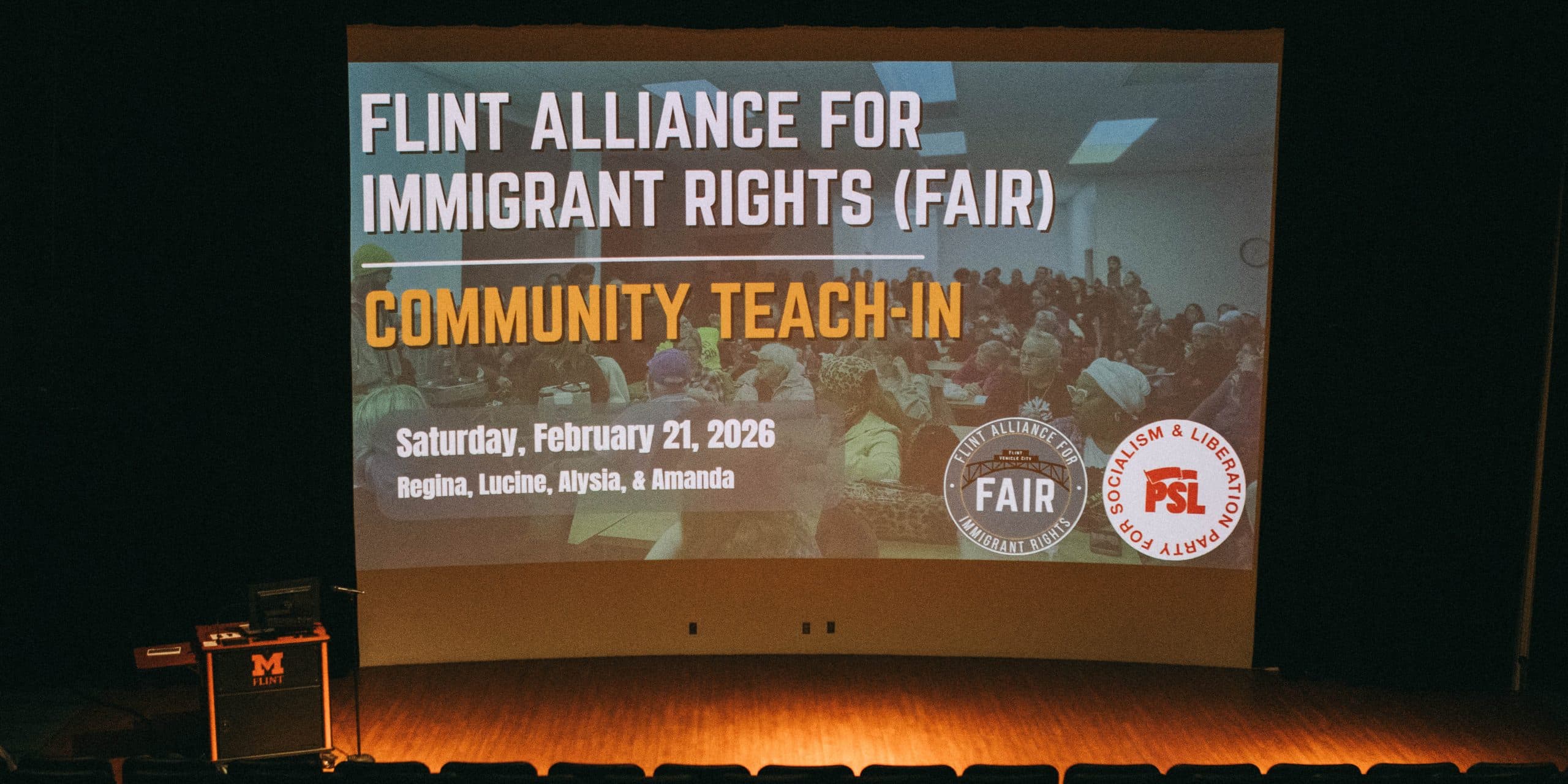
The Flint Alliance for Immigrant Rights (FAIR) brings together organizations, advocates, and community members with a shared mission: advancing immigrant justice through education, advocacy, and rapid response. At a time of change and uncertainty, FAIR is focused on building a coordinated network of care.
“The Flint Alliance for Immigrant Rights (FAIR) is a coalition of organizations, advocates, and community members united in our mission to advance immigrant justice through education, advocacy, and rapid response,” said Lucine, a representative of the Arab American Heritage Council (AAHC), one of FAIR’s key partners. “We’re providing coordinated support to individuals and families navigating detention, enforcement, and crisis.”
AAHC has played a critical role in helping to build and sustain the coalition’s infrastructure. For Lucine and her colleagues, the work is rooted in a broader vision of collective action.
“Our partnership is made possible by the belief that collective organizing strengthens our power and moves us closer to the transformative change our communities deserve,” she said.
While Genesee County is home to a number of organizations offering essential services, FAIR emerged to address a key challenge: fragmentation.
“In Flint and Genesee County, it became clear very quickly that the gap in support wasn’t necessarily about services; it was about coordination,” Lucine explained.
Early coalition efforts focused on mapping available resources, identifying unmet needs, and building a responsive network that could connect families to support more efficiently. By aligning organizations across sectors, FAIR has created a system designed to meet urgent needs in real time.
This approach has become increasingly important as immigrant communities face mounting pressures.
“It is not an exaggeration to say that every day we are seeing the ways in which this administration’s harmful policies and anti-immigrant rhetoric are causing significant instability, increasing fear, and destroying lives,” Lucine said.
For those involved in FAIR, the coalition’s impact goes beyond delivering resources.
“The most meaningful impact has been offering support that extends beyond just the delivery of services,” Lucine said. “It is the kind of support that is felt, not just provided.”
According to Lucine, the distinction between transactional services and relational support is central to FAIR’s work. Coalition members aim to ensure that families not only receive help but also feel seen, supported, and connected to a broader community.
“It’s about showing people, consistently, that we are standing with them and that they are not facing these systems of harm on their own,” she added.
Lucine also points to a growing sense of shared hope as a key outcome of the coalition’s efforts.
“When legal advocates, health providers, educators, and grassroots organizers work together, we increase both the speed and the capacity to respond in moments of urgency,” she said. “And we can also uplift a visible expression of solidarity that people can feel and trust.”
Coalition partners meet regularly to share updates, track policy changes, and identify where support is most urgently needed. This constant communication allows FAIR to remain agile and responsive in a rapidly shifting landscape.
The coalition’s work is also deeply community-driven, with partnerships spanning nonprofits, local leaders, and residents.
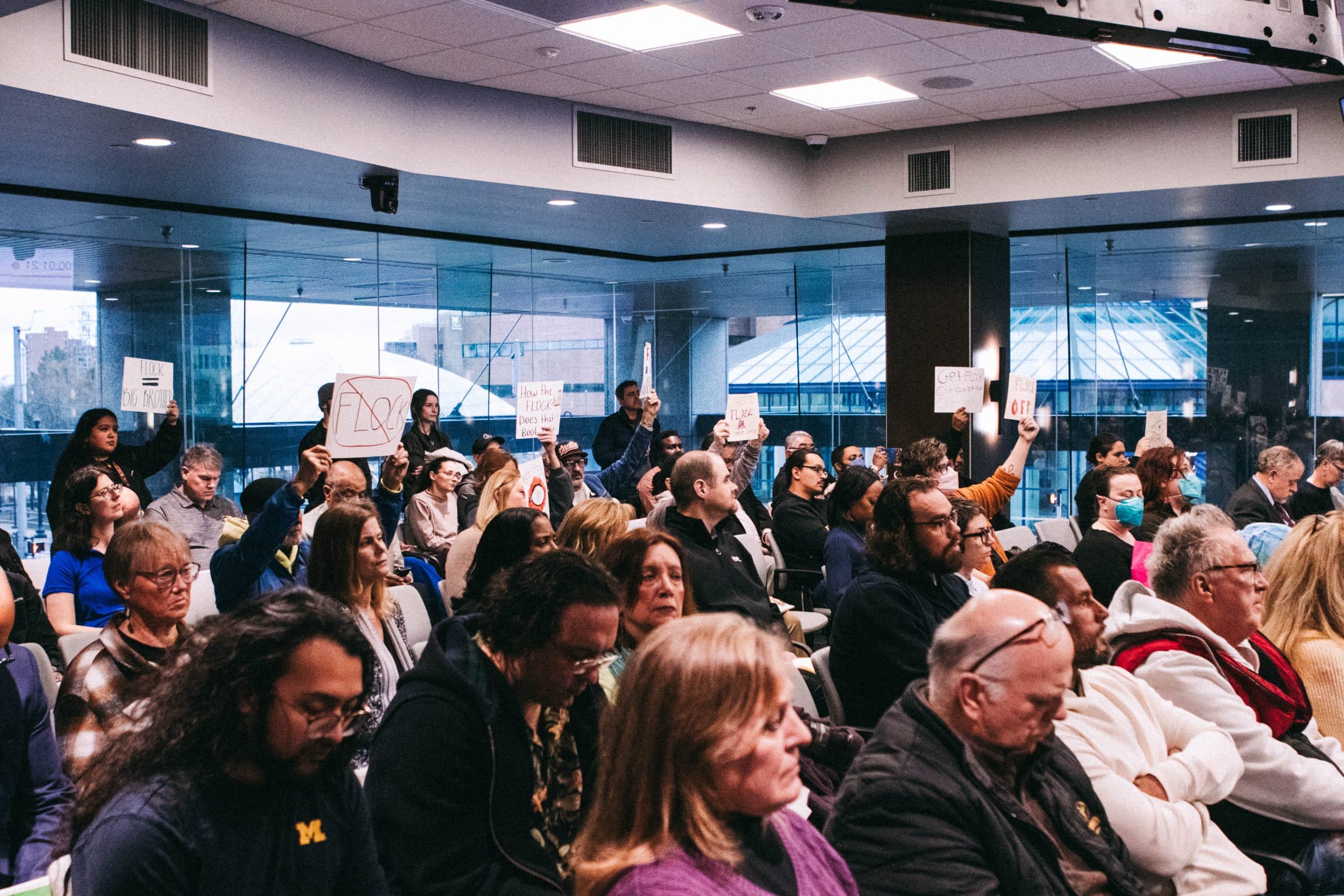
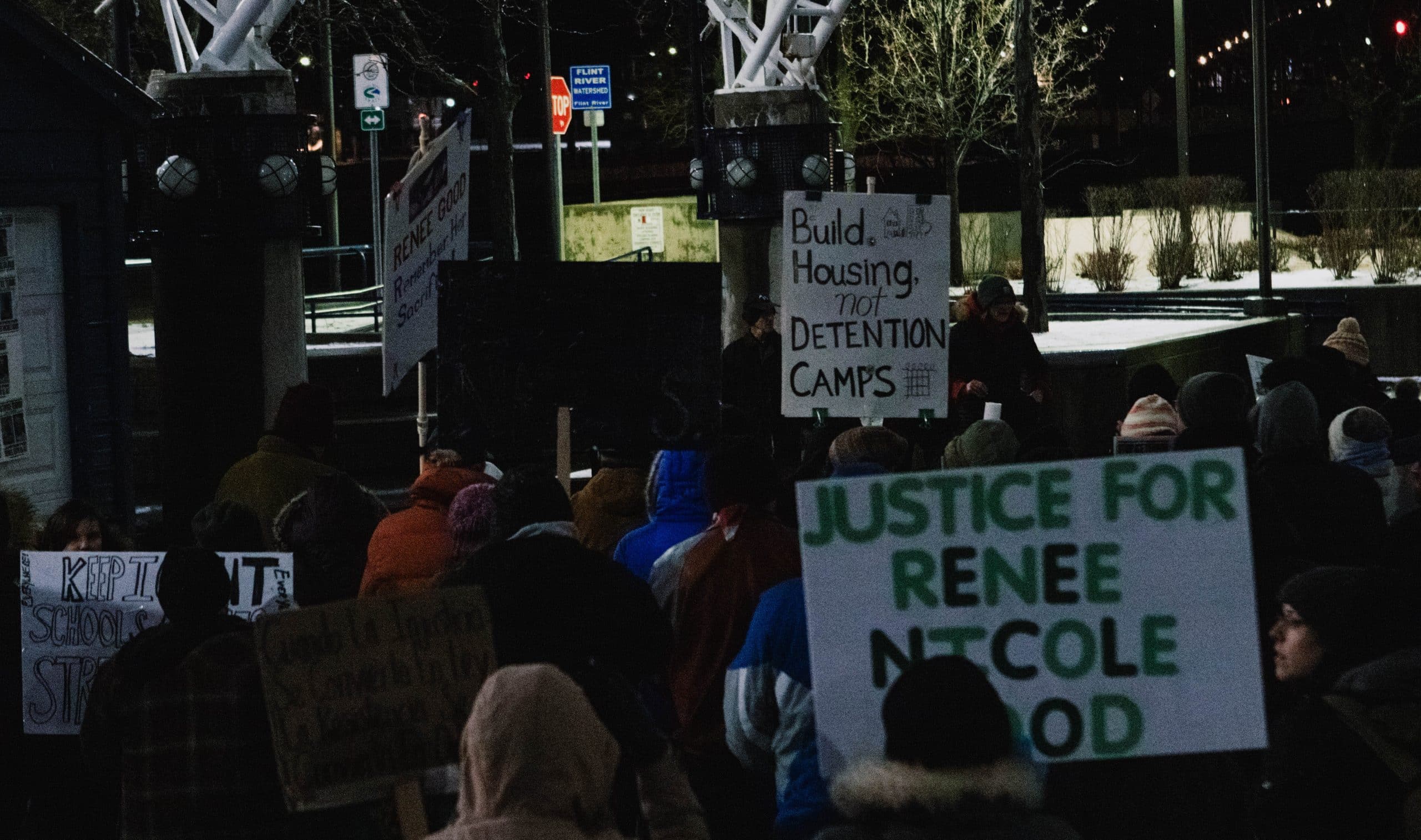
Recently, FAIR has been leading advocacy efforts in opposition to the use of Flock cameras, raising concerns about surveillance and potential tracking of immigrant communities, while also hosting “ICE Out of Genesee County” teach-ins to help residents learn, organize, and fight for immigrant justice.
Other initiatives have included a series of teach-ins hosted at the Neighborhood Engagement Hub in Flint. Other partners, such as the Refugee Welcome Team, have led fundraising efforts to support families, while local residents have organized grassroots events, such as screen-printing workshops, to generate additional resources.
At its core, the coalition represents a collective response to a moment of urgency, and a reminder of what is possible when communities come together.
“That, at its core, is essential to our success as a movement,” Lucine said.
Author

Related Articles
Good Laundry tackles hygiene poverty while building community in Flint
Good Laundry in Flint tackles hygiene poverty by community-centered laundromat that’s “more than just clean clothes.”

In Pictures: Downtown Flint
Photographer Ryan Hobson journey’s to downtown Flint to capture one of the heartbeats of the city.
In Pictures: Sarvis Park
Photographer Ryan Hobson shares his perspective on Sarvis Park.


