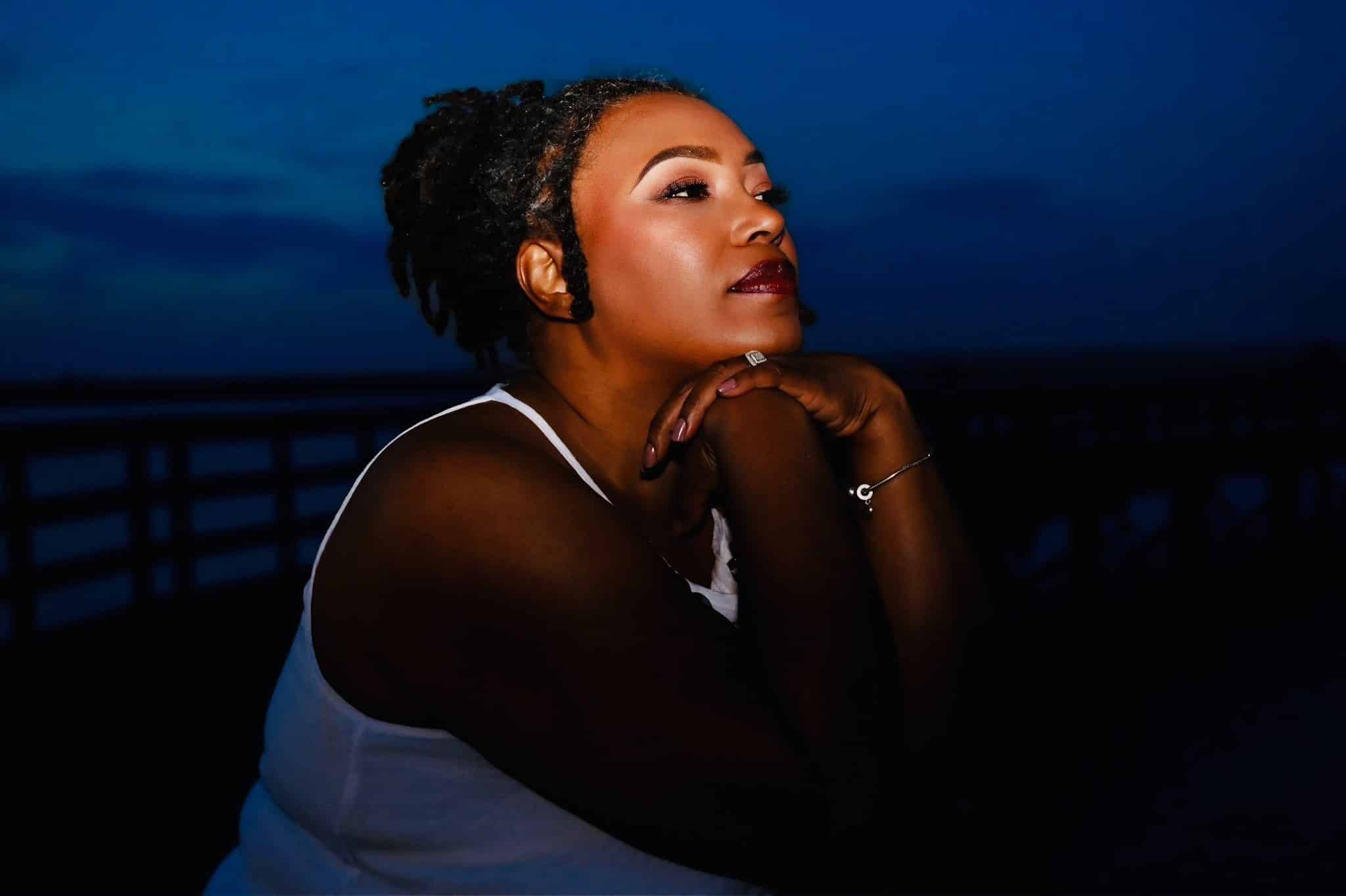
FLINT, Michigan — There are some questions that don’t announce themselves. They don’t arrive in conversation or in moments that feel urgent enough to demand attention. Instead, they settle quietly beneath the surface of your life, waiting—patient, persistent—for you to turn toward them.
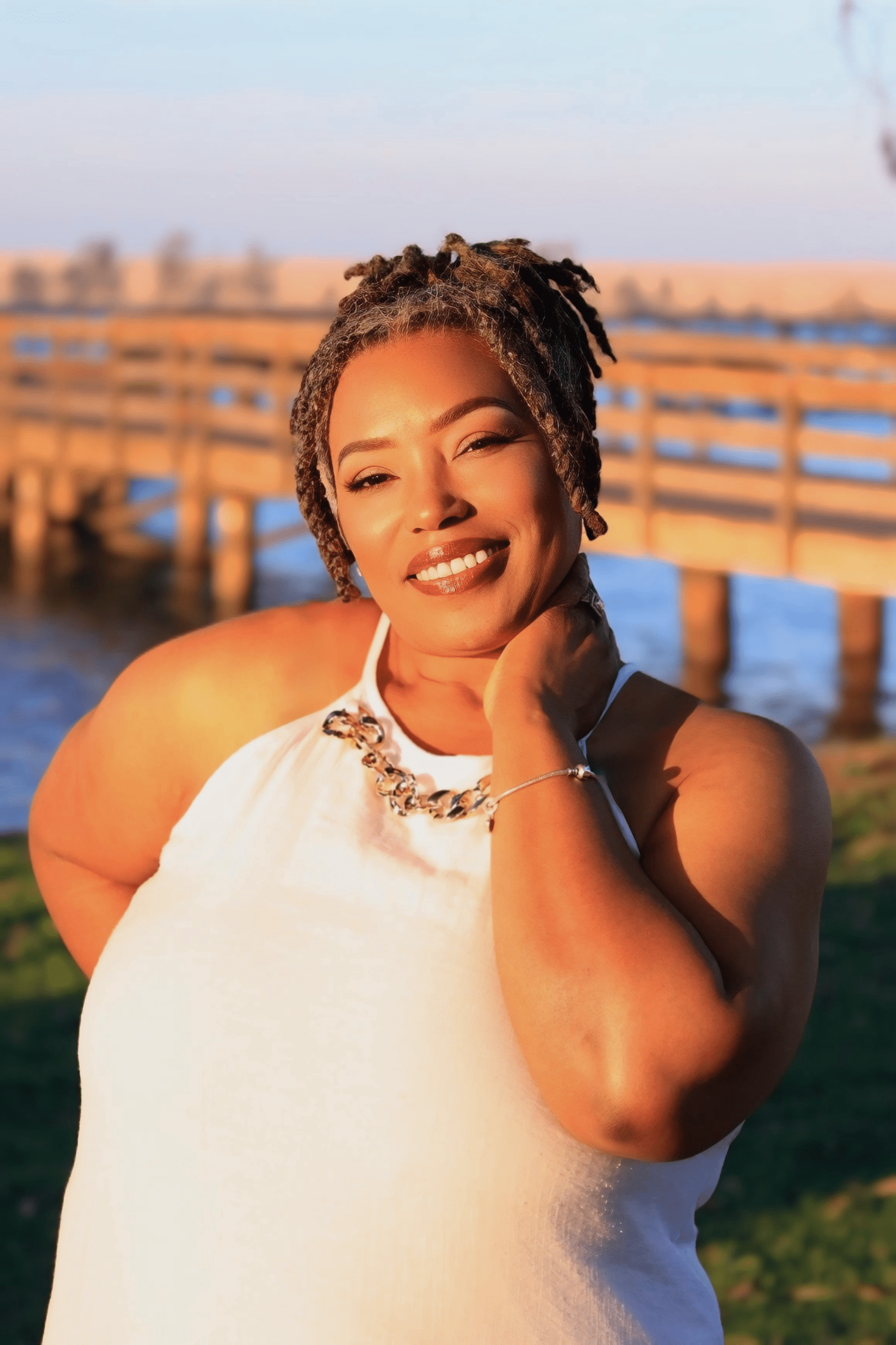
For Tawana Parks, those questions had been there for years, living in the spaces between her work and her exhaustion, in the moments after she had poured into someone else and returned home with little left for herself. On the outside, her life looked full. Purposeful. Impactful. But something in it no longer fit.
“I realized that I was unhappy with the way that my life was going,” she said. “And I knew that life was bigger and better—this couldn’t be it. This being on the system of you go to work…you come home, you’re tired…and you just try to navigate life. I just knew that there had to be more.”
That realization did not arrive with clarity. It unfolded slowly, through a series of small recognitions—a quiet discomfort, a growing resistance to continuing as before.
For decades, Parks had built her life around service. At the University of Michigan-Flint, she spent more than 20 years working with students through Educational Opportunity Initiatives (EOI), guiding them through academic challenges and personal crises with a kind of care that extended beyond a job description.
“It started as me journaling about my spiritual journey. I would just write whatever came to my mind… and most of the time those writings were very encouraging and motivating to me.”
She was known for her presence, for her ability to meet people where they were and help them see what was possible. But somewhere in that work, something became unbalanced. “I was doing all these great things for people, and I’m looking for somebody to do it for me,” she said. “I’m helping everybody else…and I’m like, this is intense pain. I don’t like this unhappiness, and I want better for my life. I really want the things that I’m helping everybody pursue—I need to figure out what it is that I want.”
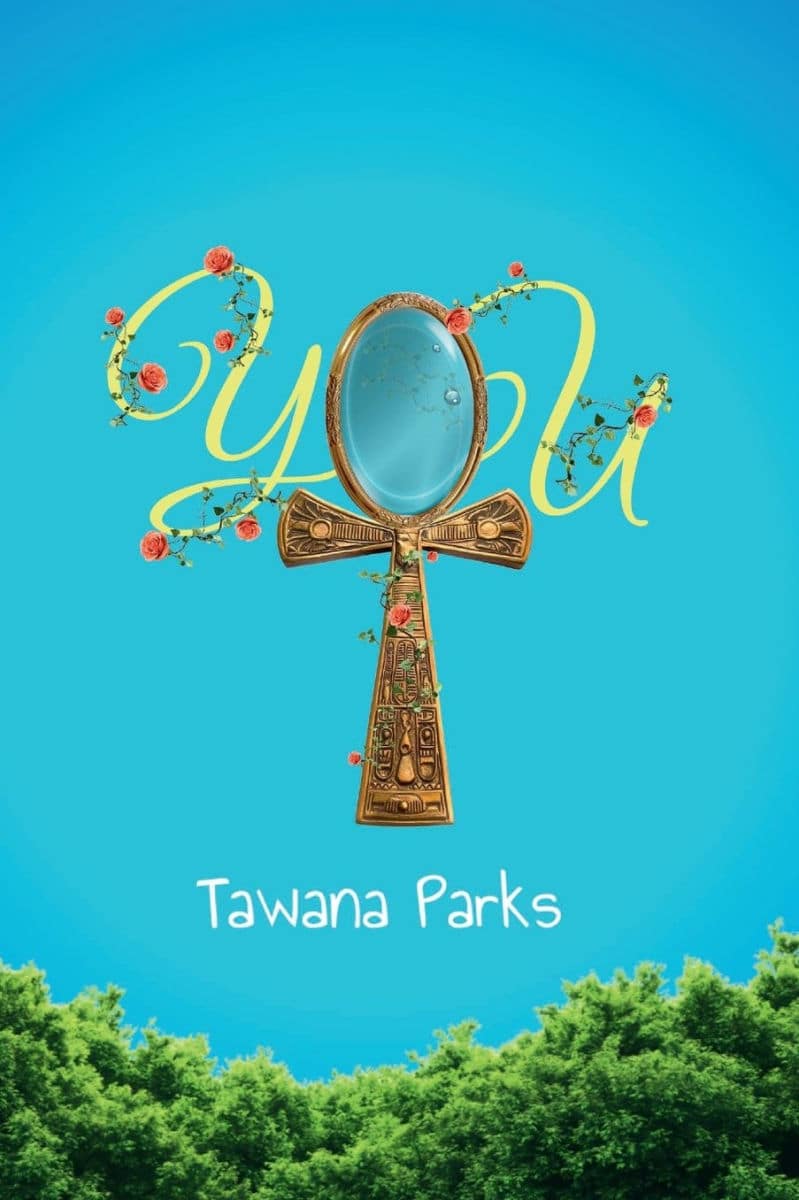
Her debut book, You, was that answer. You isn’t simply a collection of stories and poems. It is the result of years of reflection, spiritual searching, and a quiet but persistent call to go inward.
What started as journaling in 2021 was not an intentional project—it was a response. A way to sit with what she was feeling, even if she didn’t yet have the language for it. “It started as me journaling about my spiritual journey,” she said. “I would just write whatever came to my mind… and most of the time those writings were very encouraging and motivating to me. I wrote through pain, I wrote through anger, I wrote through fear, I wrote through unsurety…and it was always freeing.”
The foundation of You was not built with publication or audience in mind. It started as survival. There was no expectation that these words would live anywhere beyond the page. But as she continued, the writing began to shift—from something she was doing to something that was happening through her.
What followed was not immediate clarity, but process: book clubs, spiritual exploration, and eventually a deeper commitment to listening to herself. During leave from work, she found herself returning to the river in Portland, Oregon, each day, sitting still long enough to listen. “When I sat down, I just started writing,” she said. “And the stories… they just began to flow out of me, through me—healing me, surprising me most of the time. It was like, stop doing everything and write on that. And these pieces just began to flow.”
What emerged was not just a collection of reflections, but a body of work that traced her own becoming—one realization at a time.
That process forced her to confront something deeper: the same clarity she had spent years helping others find was something she had not fully claimed for herself. “As I learned along this journey… I was always looking for somebody,” she said. “And the truth of the matter is, I didn’t do it for people—I was just there as an instrumental piece along their journey…and the answers are always inside of us. While people help you…it’s really you who are doing the work to evolve. It’s really you that has all the gifts.”
It was not just a shift in thinking—it was a shift in identity. For years, Parks had been positioned as a guide, someone who could help others navigate difficult terrain. Now, she was learning to stand in that same space for herself—not as someone who had all the answers, but as someone willing to listen.
“I’m not a doctor, I’m not a therapist… I’m not people’s God,” she said. “But I am an open, willing vessel to say and to be and play… should someone need my help. And apparently, that was how I did my job. But I didn’t realize that was a part of my becoming…I didn’t see anything in myself.”
As the writing deepened, it began to take shape. What had once been journal entries became stories and poems—structured not by intention, but by experience. Even the title arrived that way, without force. “I typed in the word You…and I kept going back like, is that the name of the book? And I was like, that is the name of the book,” she said. “Because a lot of the writings is about coming into who you are…all of the releasing, hurt, fear, scarcity, and all of the things.”
Long before the book, though, there were the experiences that shaped how Parks understood her work—none more pivotal than her early years under supervisor Tendaji Ganges at UM-Flint. After an interview in which she believed she had failed, she was offered a position—$27,000, no benefits—and accepted immediately, unaware at the time how to advocate for herself.
“Who was my community? Flint. All the students and staff I worked with…all my community. And it just felt so—like, full circle back to the moment.”
Within days, she was tasked with leading a room of more than 100 parents and students. It was an assignment she thought she would be assisting with, not running. When it was over, she was told she had done well—but the expectation was clear. The pressure was real. It was a moment that forced her to trust herself before she fully knew how, setting the tone for a career built on stepping into spaces before feeling fully ready.
And yet, even with all of that history, when it came time to share the book, the answer to where felt immediate. “I asked myself, who do you want to share it with? And for me, it was community,” Parks said. “Who was my community? Flint. All the students and staff I worked with…all my community. And it just felt so—like, full circle back to the moment.”
Returning to Flint—and to the UM-Flint—carries a layered significance. It is where her professional life took shape, where she poured into students for more than two decades, and where she experienced both deep connection and institutional tension.
But this return is not about revisiting the past as it was. It is about seeing it differently. “This is my time…this is the reckoning,” she said. “It’s time to go back and…see the brilliance, see the love, receive the love back that you gave. Just check it out—that’s where UM-Flint popped back in. And I just embraced the yes.”
The upcoming gathering at the Kiva Auditorium is not simply a book event. It is an extension of the work itself—a space for reflection, for connection, for acknowledging both individual and shared journeys. In her own framing, it is about becoming and freedom—not as fixed ideas, but as ongoing practices.
Because for Parks, there is no final version of who she is. No endpoint that defines the journey. There is only the work of returning, again and again, to a deeper understanding of self. “It’s really seeing myself… scanning back and leaping forward,” she said. “Like, wow…you ain’t know what you was doing. But you knew that it was important.”
And in that recognition, something settles—not as an answer, but as a knowing. A quiet, steady truth that reframes everything that came before it and everything that comes next.
Because at its core, the message is both simple and difficult, familiar and hard-won: “It’s really you,” she said. “You that has all the gifts.”
And sometimes, the longest journey is simply learning how to see that.
Tawana Parks, YOU, is now available for purchase. YOU: A Community Gathering On Freedom & Becoming takes place April 3rd, 2026, from 6-8 PM at UM-Flint’s KIVA.
Author

Related Articles
Kane’s House of Comedy Brings a Packed Night of Laughs to Flint
A packed night of laughs at Kane’s House of Comedy showcased Flint’s vibrant comedy scene.
Pressing Record: Ace Gabbana and the Stories That Built King Mondo T.V.
Ace Gabbana reflects on family, memory, and growth in his most personal album yet.

Step Afrika! Brings Rhythm, Heritage, and History to Flint
Step Afrika! brings the cultural rhythm of stepping and African American heritage to Flint.


