
Connor Coyne leads fiction workshop at FIA to help writers refine their craft
Instructor and author Connor Coyne will lead a seven-week fiction workshop, giving writers tools to grow, revise, and prepare for publication.
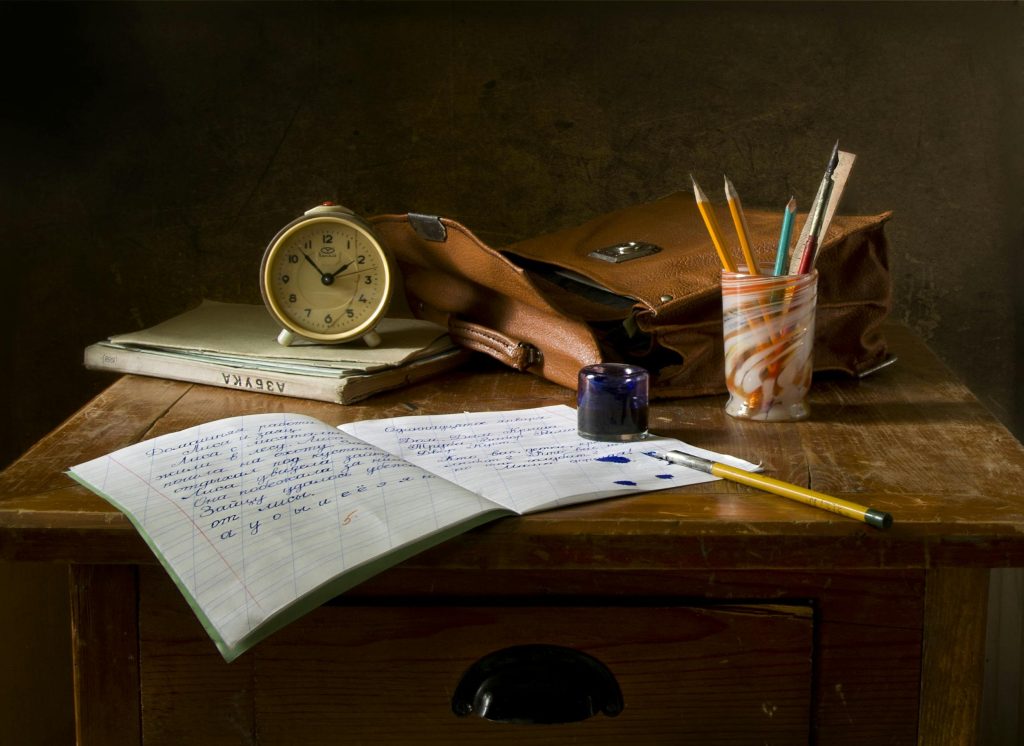
FLINT, Michigan — Flint is a city full of storytellers, and this fall, those voices will have a new space to grow. The Flint Institute of Arts (FIA) is hosting a seven-week Fiction Workshop led by local author and educator Connor Coyne, giving intermediate and advanced writers the opportunity to dig deeper into their craft.
Coyne, who has long been part of Flint’s literary community, says the timing couldn’t be better. “Flint has a number of opportunities for writers (open mic nights, reading series, tutoring) and I know that there are groups of friends who meet to share and discuss each other’s work,” he explains. “But now that the FIA is offering Creative Writing classes, I thought it would be helpful to offer a writing workshop. This will give participating writers the opportunity to get in-depth critique and editing, and a chance to consider the next steps of submission and publication.”
Coyne models the class on the workshop format pioneered at the University of Iowa in 1936. Each week, participants share their own fiction, receive feedback, and revise their work with an eye toward both improvement and eventual publication.
“At each class session, we will discuss several pieces of student-written fiction with more in-depth discussions than are possible in other class and non-class settings,” Coyne says. “We will have the opportunity not only to consider rough drafts but to look at multiple versions of the same piece, and we will also be able to discuss next steps for writers who want to pursue publication.”
The value of critique
For many writers, sharing their work in public for the first time can feel daunting, but Coyne believes the process is essential. “It is often a writer’s first trial by fire: writers need to have enough pride to know the worth of their work, but it is also important to have enough humility to hear and consider criticism,” he says.
He adds that peer review isn’t just for beginners. “Readers understand something that no writer can ever experience: how a story sounds and feels when you encounter it on the page before you hold it in your mind. Because of this insight, even the most experienced and talented writers can learn a lot in a workshop.”
Building Flint’s literary future
Coyne also sees the workshop as part of Flint’s larger creative landscape. “Flint has a very rich literary past and present — Ben Hamper, Christopher Paul Curtis, Semaj Brown, Kelsey Ronan, Jonah Mixon-Webster, and too many others to name — and the abundance of open mic nights and author events speaks to the fact that Flint writers are still going strong,” he says.
But he also emphasizes that more infrastructure is needed to help Flint writers thrive on a national scale. “Flint has tremendous literary potential, but realizing that potential requires an infrastructure with a range of opportunities for writers of different backgrounds and levels of experience. Sadly, a lot of anchor institutions have recently eliminated or scaled back their commitments to the humanities. And so the decisions of organizations like the FIA and Buckham Gallery to support writers is very well-timed: we need this institutional support now more than ever before!”
What writers can expect
Coyne doesn’t promise every participant will leave with a polished, publication-ready story, but he does expect the experience to be transformative. “A writing workshop can be demanding: the time spent reading and writing is not insignificant, and not every writer will end the class with a publication-ready piece,” he says. “However, I think that any writer who is open to the process and fully engaged for the full seven weeks will come away with a deeper understanding of how and why they write, and what opportunities they have to connect with readers.”
And sometimes, the results are immediate. “Sometimes a piece emerges from a workshop and goes right to a literary agent and on to a book contract; I have seen it happen!” Coyne says. “But the sense of a deepening appreciation for the work we do, its ongoing relevance in a world with billions of stories, and the camaraderie we enjoy along the way makes it a very worthwhile experience.”
The Fiction Workshop at the FIA welcomes participants ages 15 and up. Students will need basic writing tools and will share their work via email and Google Docs. To register for the workshop, click here.
Author

Related Articles
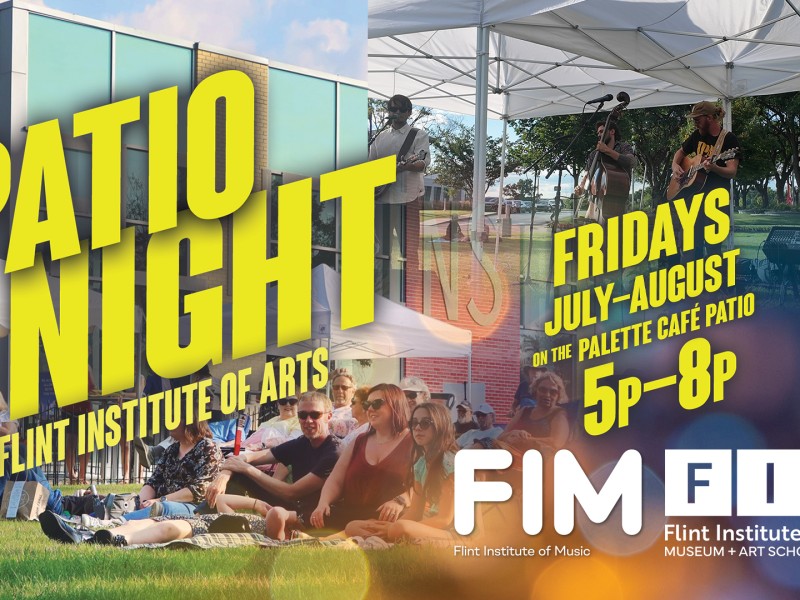
FIA Patio Nights bring live music, art and community together on summer Fridays
FIA’s Patio Nights are offering Flint and Genesee County residents and families a new way to enjoy Friday evenings.
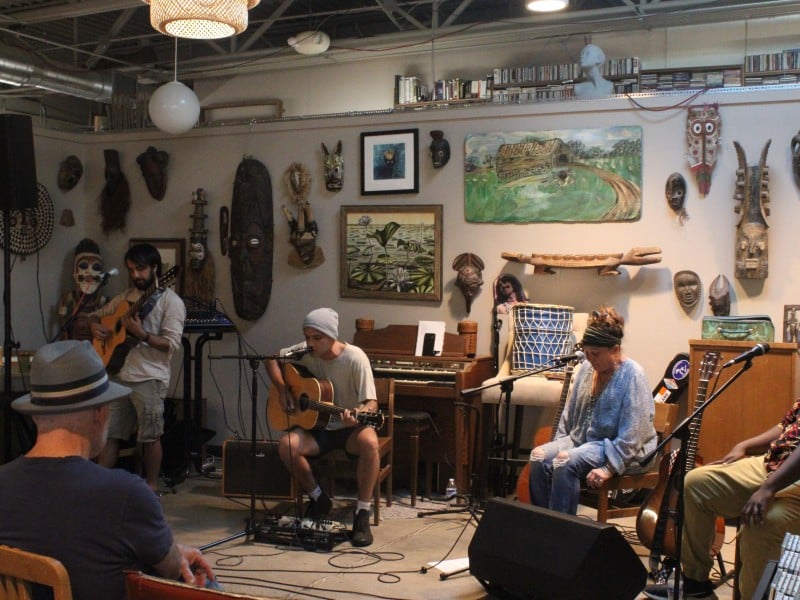
Songwriters’ Round brings Nashville-style storytelling to Flint’s music scene
At Totem Books, Mikey Abbaspour pairs Flint musicians with the stories behind their songs.

In Pictures: 810 Day Fashion Show
810 Day fashion show continued its annual tradition inside The New McCree Theatre on Aug. 10 2026.