
‘Echoes of Nature’ exhibit at the FIA showcases 200 years of Japanese printmaking
From blossoms to landscapes, a new exhibit at the FIA highlights 200 years of Japanese printmaking inspired by nature’s timeless beauty.
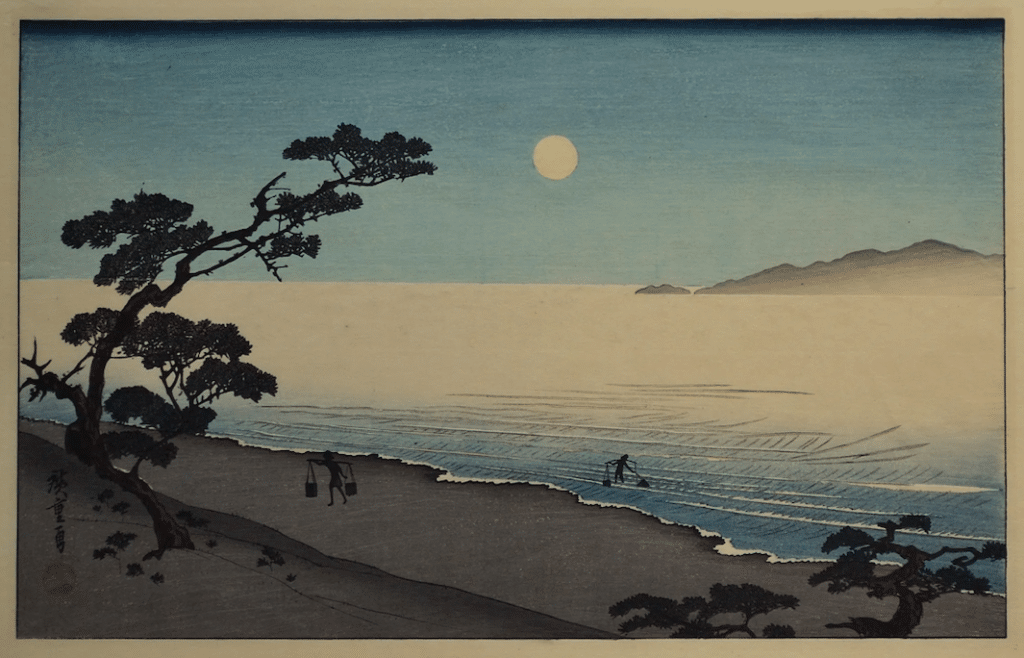
FLINT, Michigan — Time changes many things, and those changes are often represented and reflected in artwork. Although reflected subject matters might change as life moves on, cultures grow and adapt, there’s one constant place artists have sought out for inspiration for hundreds of years: nature.
The current FIA exhibit, ‘Echoes of Nature: 200 Years of Japanese Printmaking,’ runs from Sept. 27 to Jan. 18. The collection of centuries-old prints depicts imagery of mountains, rivers, and flora from artists across 200 years. The exhibition showcases both traditional woodblock techniques as well as etching, lithography, mezzotint, and serigraphy — more modern methods. No matter the method, all pieces represent the heart of nature and its influence and inspiration on Japanese printmaking.
Rachael Holstege is the Associate Curator at the Flint Institute of Arts Museum + Art School, and has been there for nearly nine years. In her role, she works on every part of the exhibition process: coming up with the idea, researching artwork, writing labels and wall text, and designing the overall presentation.
Holstege says the latest exhibition includes 22 works on paper from the museum’s permanent collection by Japanese artists, spanning nearly 200 years.
“It explores how artists across generations have consistently turned to nature for inspiration,” she says. “In Japanese culture, nature is not viewed as separate from humanity but as a living presence that shapes spiritual beliefs, aesthetic ideals, and daily life. This reverence for the natural world resonates through printmaking, where artists create expressions of beauty, memory, and reflection.”
Although all of the selected works have been shown publicly before, many of the 1960s prints have not been on view since first exhibited in 1969. Artwork includes works from the Edo-period (1603-1868), including Utagawa Hiroshige and Takahashi Shōtei as well as postwar modernist prints.
“People will be sure to recognize the several artworks by Utagawa Hiroshige,” Holstege says. “Hiroshige was a master ukiyo-e artist and is most well-known for his images of Mount Fuji. Many of the modern artists from the 1960s may be less familiar to visitors.”
Because some of these old paper artwork pieces are more fragile than other mediums, the preservation process is delicate, too.
“Paper is made of organic fibers that naturally weaken over time, and it’s especially sensitive to light and environmental changes,” Holstege says. “When artworks are on view, we keep the lighting in the Graphics gallery lower than in other areas of the museum to help mitigate light damage. When they are not on view, the works are stored flat in the Piper Print Library, surrounded by acid-free materials, and kept in closely monitored temperature and humidity conditions.”
Holstege hopes this family-friendly exhibit can provide a timely takeaway for visitors.
“Japanese printmaking is remarkable for its technical skill, innovative use of color and composition, and ability to capture both the beauty and the transience of the natural world. It’s also a medium that influenced many Western artists, so it connects across cultures. The relevance today is that these works still resonate; they encourage us to pause and reflect on our own relationship with the natural world,” she says.
“I hope visitors leave with a greater appreciation of how central nature is to Japanese culture and how consistently it has inspired artists over centuries,” she adds. “The takeaway is that these prints are not just beautiful images but reflections of a worldview where humanity and nature are deeply intertwined.”
The Flint Institute of Arts is open Monday through Thursday from 10 a.m. to 5 p.m., and Friday from 10 a.m. to 8 p.m., Saturday from 10 a.m. to 5 p.m., and Sunday from 1 to 5 p.m. Admission is free for FIA members and Genesee County residents, $10 for adults, free for children 12 and under, $8 for students with ID, and for seniors. Admission is free for everyone on Saturday, courtesy of Huntington Bank.
Author

Related Articles
Inclusion Takes the Center Stage at Flint Community Players
Flint Community Players center inclusion by rethinking how theatre audiences experience performances.

Shanzell Page brings rhythm and legacy to Flint as UMS/UM-Flint Artist in Residence
Flint-born tap artist Shanzell Page returns home, blending movement, memory, and legacy as UMS/UMFlint Artist in Residence.

Why Flint Needs a Comedy Home—and Why JeCorey Hawkins Is Building It
JeCorey Hawkins is rethinking what comedy can look like in Flint, pushing for consistency, space, and a scene to call home.


