
Flint shelters working together to meet the needs of homeless residents during pandemic
Carriage Town Ministries, Shelter of Flint, and My Brother's Keeper have found ways to work together to serve homeless people throughout the pandemic.
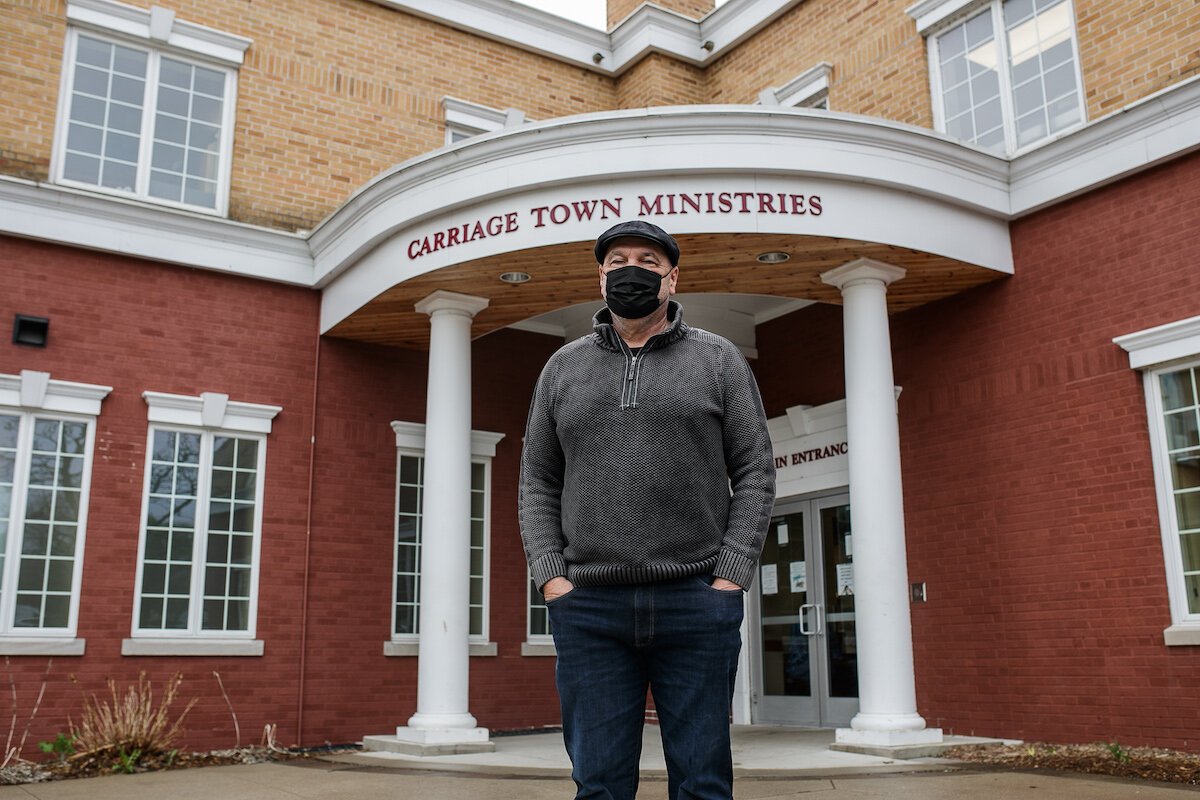
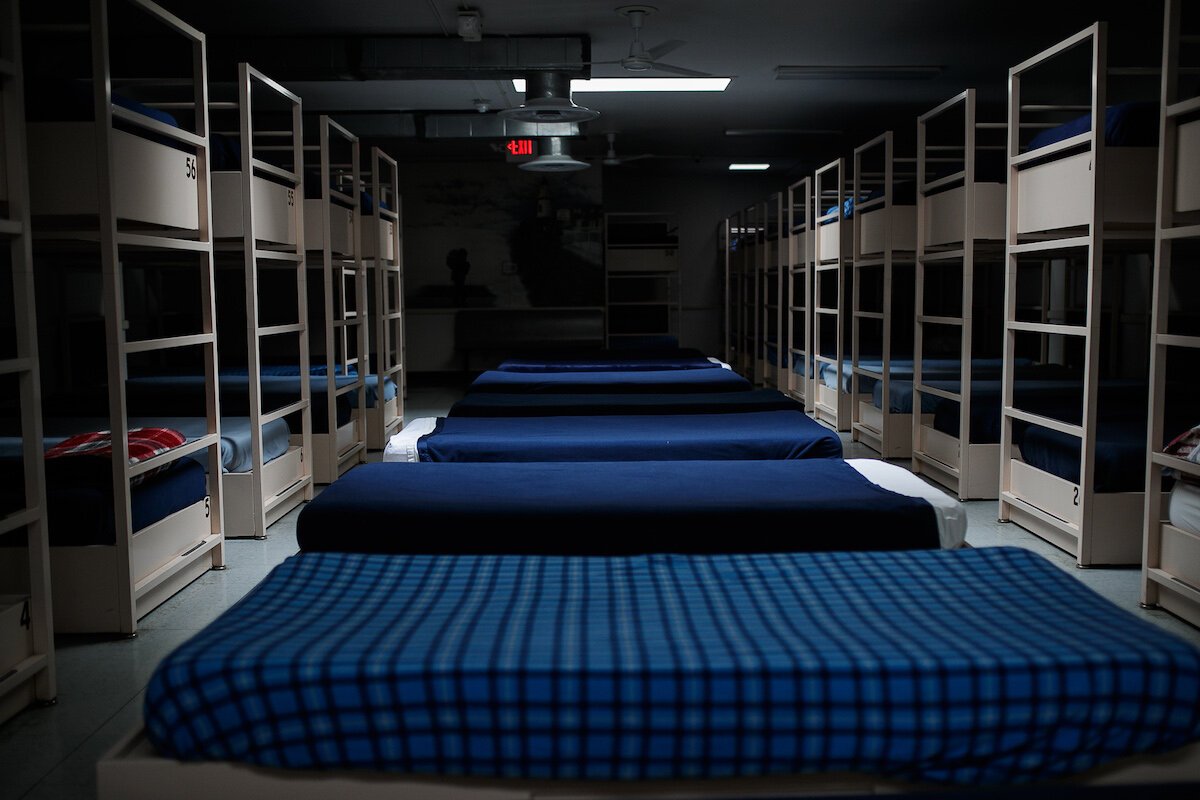
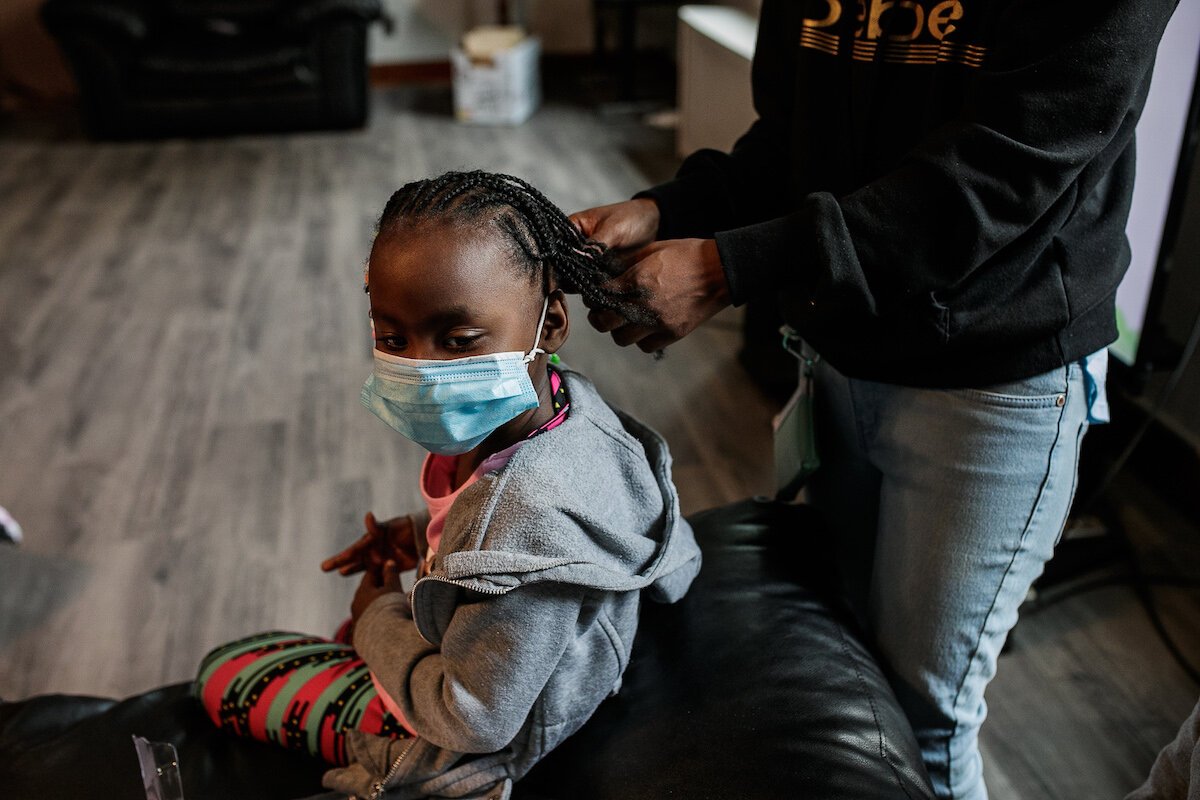
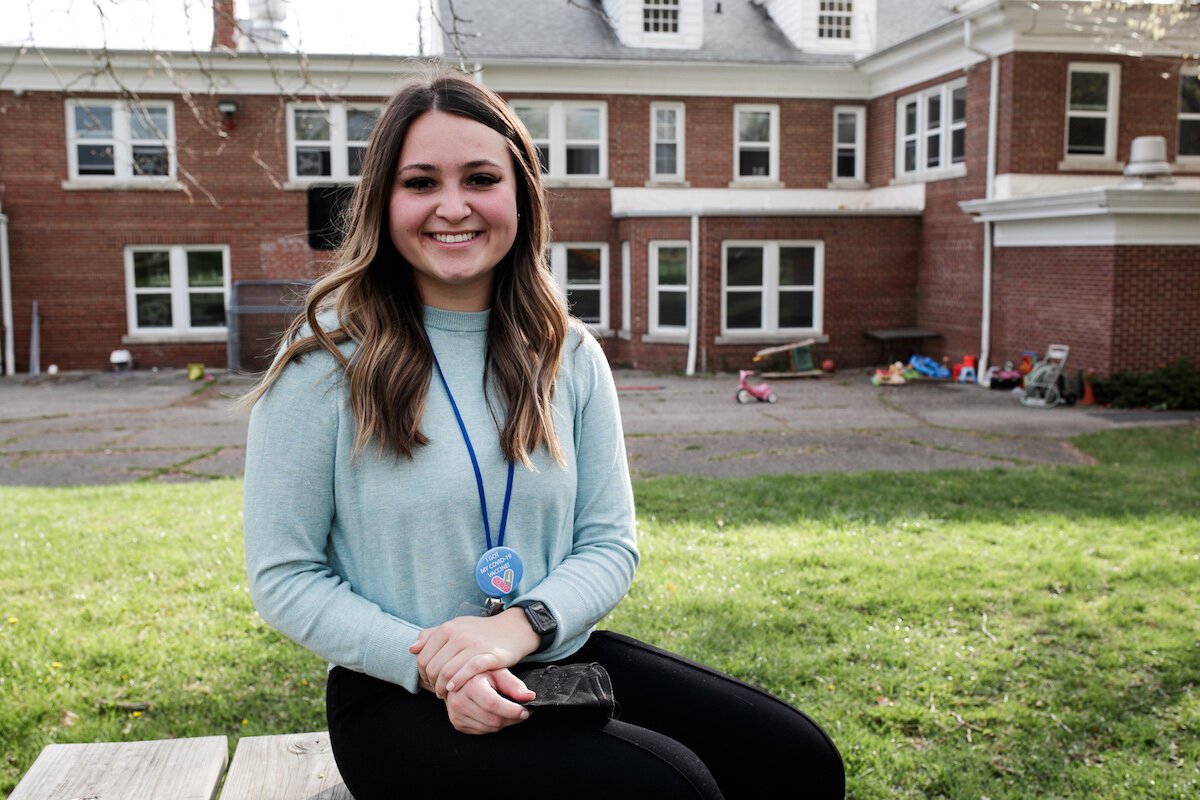
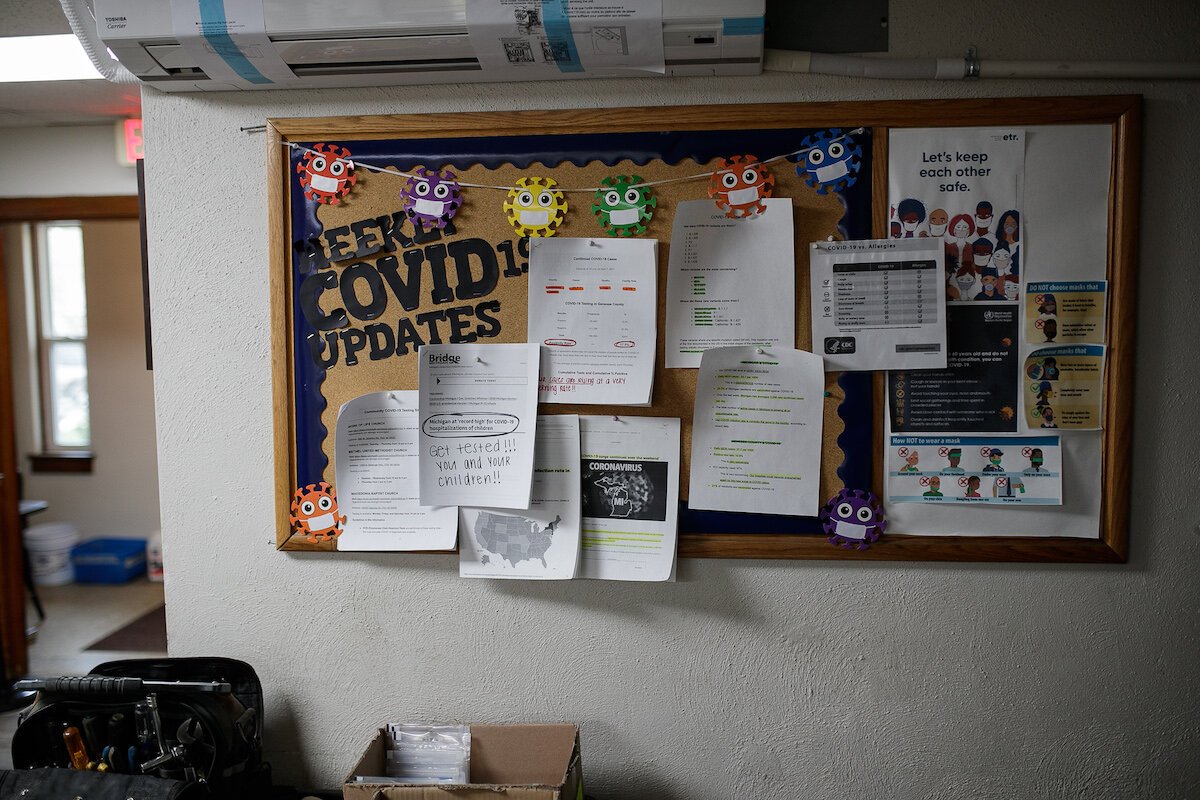
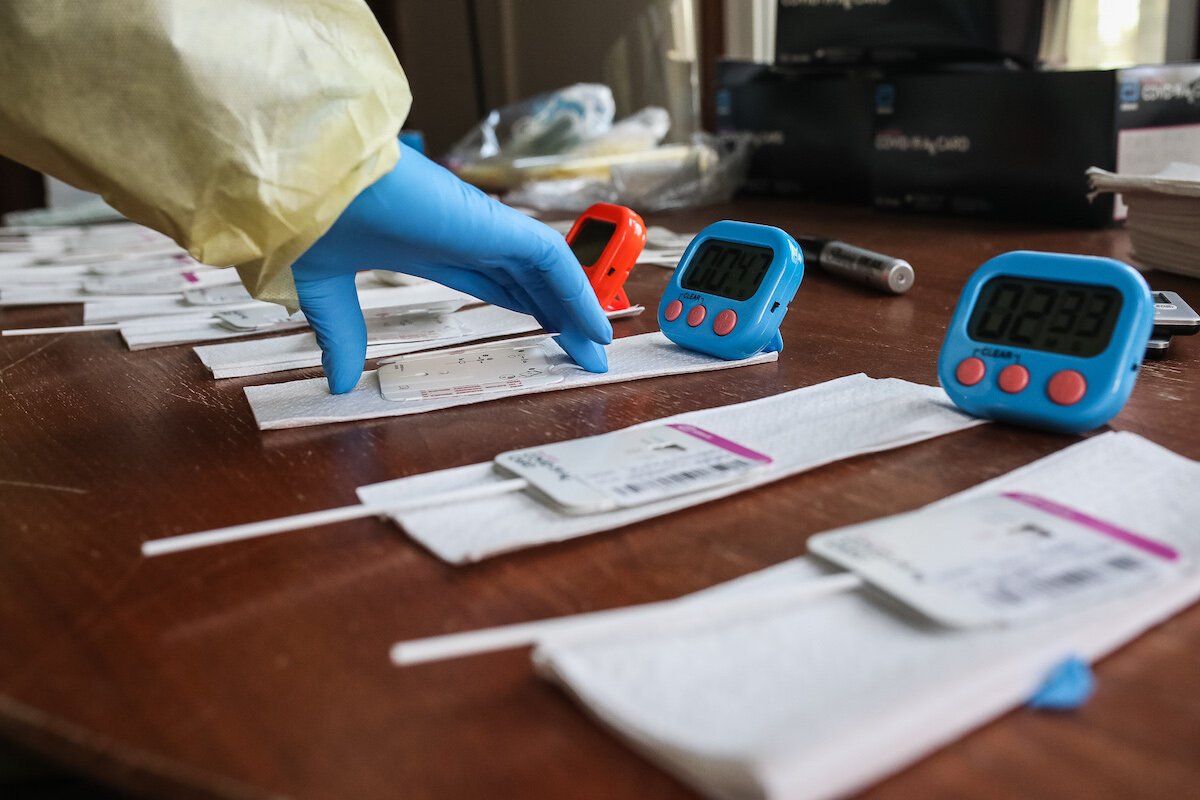
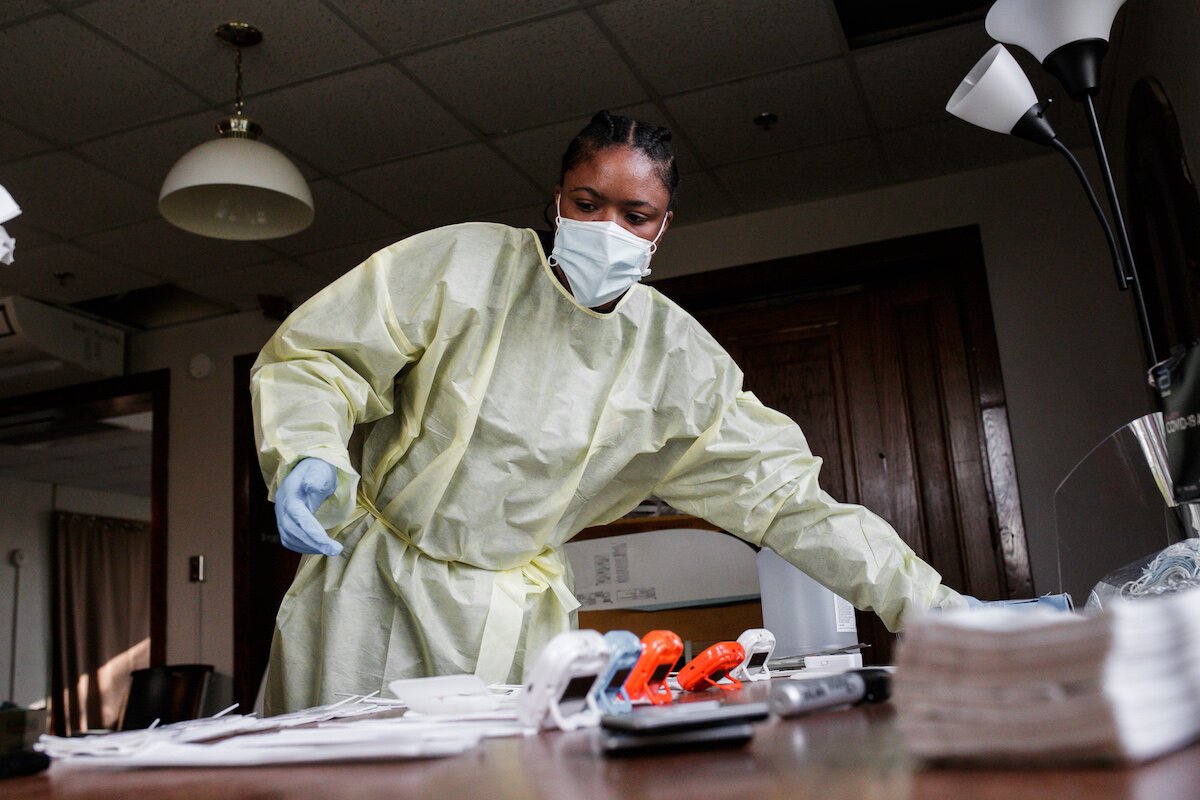
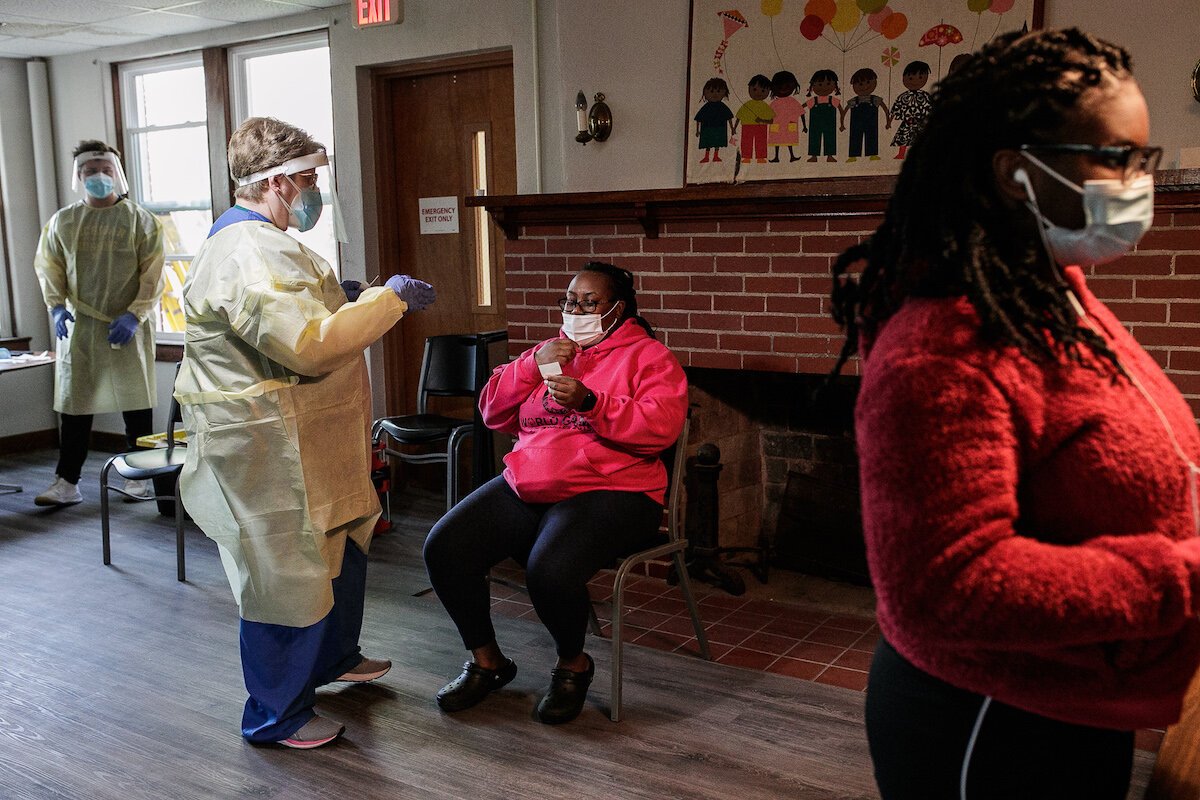
FLINT, Michigan — A partnership between Carriage Town Ministries, Shelter of Flint, and My Brother’s Keeper has helped create ways to ensure Flint’s homeless residents are able to have access to food, shelter, and, if necessary, quarantine safely during the COVID-19 pandemic.
“One of the misconceptions that people have is somehow homeless people are different from other people and it’s just not true,” said Dallas Gatlin, executive director of Carriage Town Ministries. “That somehow homeless men and women are dependent, and everybody else is not when really we’re all dependent. In reality, any of us could be suddenly homeless. If my dependable income stream was taken away or my social support structure was taken away, life would be difficult if they were both taken away, I would be homeless.”
Currently, if a homeless patient arrives at Hurley Hospital or McLaren Regional Medical Center and tests positive for COVID-19 with mild symptoms, the patient is taken to one of the dedicated homes for COVID patients on-site at Carriage Town.
“We call it the COVID house,” Gatlin said. “You can have your own room and be quarantined for 14 days. We also take food over there. We check on you and give you a walkie-talkie that works 24-7 to let us know if you are feeling worse.”
To reduce the transmissibility of the virus, residents have a designated dining area separate from those coming for food who do not live at CTM. For homeless people who rely on CTM for daily meals, food boxes are prepared for pick-up. Throughout the pandemic, the goal for organizations in Flint has been to make sure that the homeless population is treated with dignity by providing safe shelter to decrease the risk of the spread of the virus.
“Some shelters around the country said, ‘We’re going to have to close. We can’t take any more intakes.’ We never did that,” Gatlin said. “Over this whole pandemic, we’ve probably served somewhere in the area of 45 people who are homeless with proper placement, proper care. So that was either taking care of them here or putting them in a hotel and watching after them while they were in the hotel room. We have a family right now who we put up in a hotel because they’re COVID-positive and none of our current situations worked for them here. They’ve got housing lined up for about a week from now. So it means we pay for it. We got the hotel so that they can quarantine somewhere safe. We take food too.”
Genesee Health System has also partnered with all three shelters and assisted residents and staff members at CTM with vaccinations.
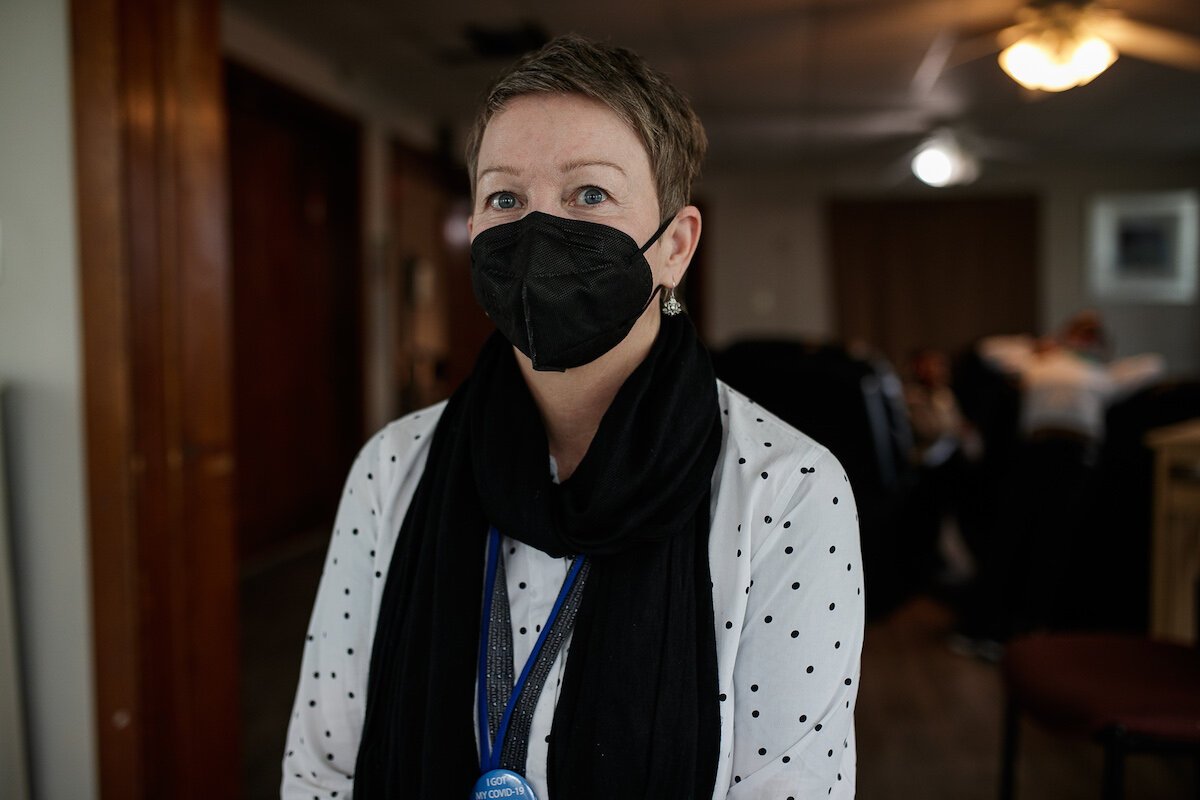
“It is about the impact that we can make serving vulnerable populations,” said Linda Bielskis, CEO of the Shelter of Flint. Bielskis served on the Shelter of Flint’s board of directors for eight years before becoming CEO. “Everyone that we serve here is going through rough challenges and whether it be financial, they’ve lost a job, they’ve been displaced for one reason or another. And that’s even prior to COVID of course, but the majority of people that we work with either has some type of a mental health issue, substance use issue, or maybe a background that is preventing them from being able to be successful when it comes to getting permanent housing. We work with everybody. I mean, whatever their situation is, they come to the table. We problem-solve around their unique challenges.”
The biggest challenge Bielskis encountered at the Shelter of Flint was reducing the capacity for the number of families they were allowed to safely shelter. Initially, capacity was decreased by 50 percent, but with collaboration from the other shelters, Bielski was able to create a dedicated COVID-positive room and safely socially distance residents.
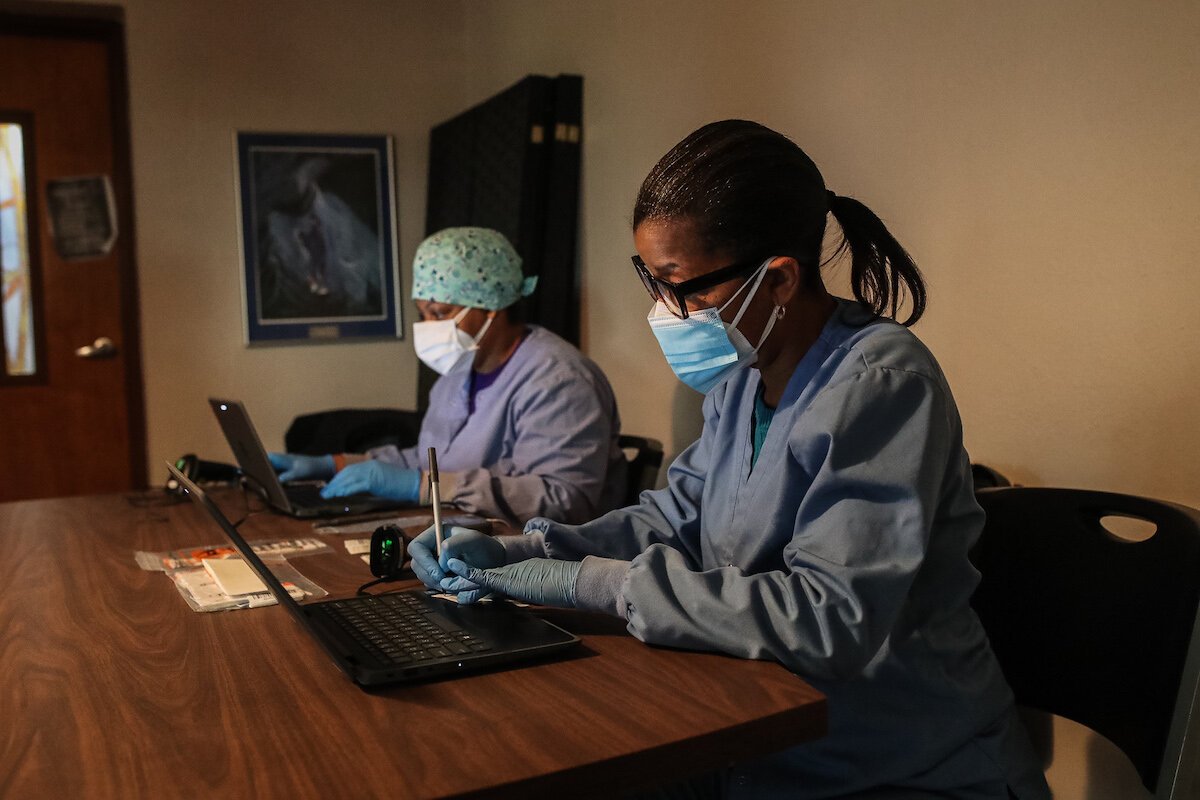
To keep the shelter as safe as possible, free testing is done and required for all residents and employees at the Shelter of Flint every Monday. Bielskis has also been able to place families in need of quarantine in hotels while delivering food and care safely.
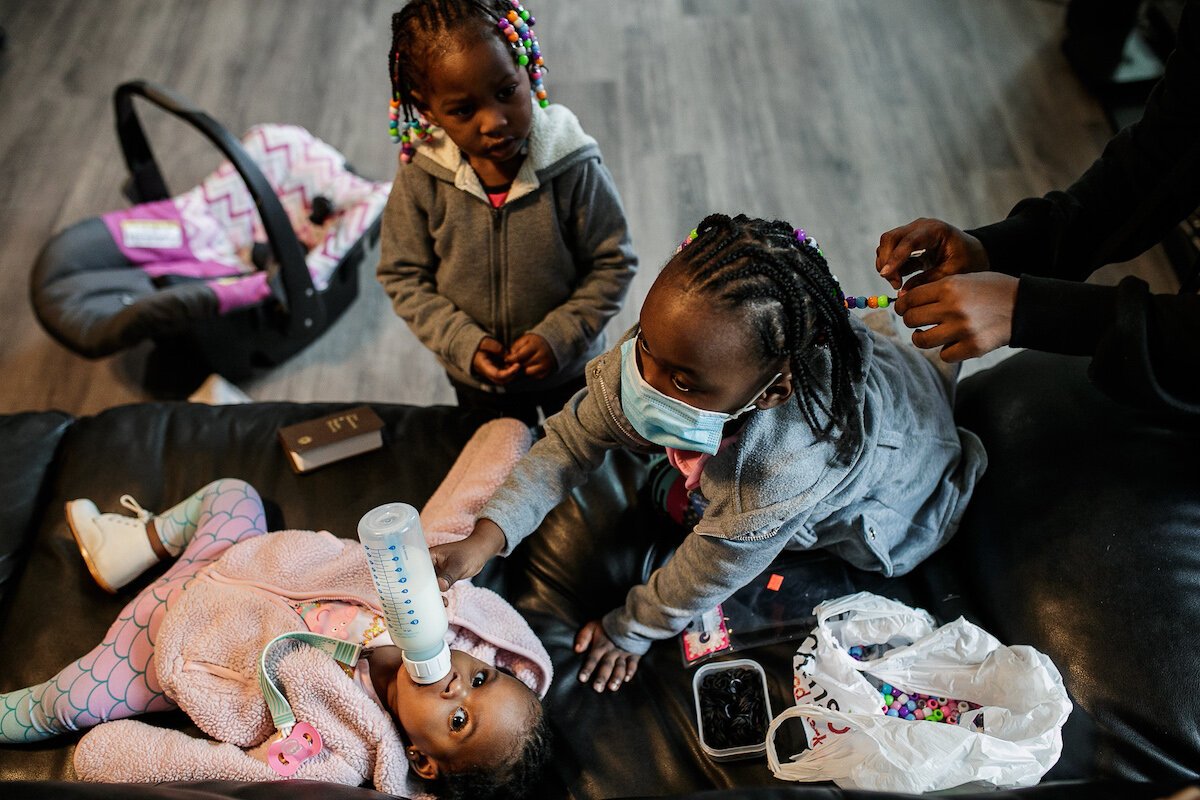
“Over the holidays, we had a family, a mom and two kids, that were in a hotel for 10 days,” she said. “Mom was sick, the girls were never positive. So we took them meals and gave them a Christmas tree. They were in that hotel room for 10 days while she got better. They just got a permanent place to live, they just moved out a couple of weeks ago. That was really cool.”
At the end of 2020, Bielskis was able to hire Siarah Cole as a health educator on COVID-19 for the Shelter of Flint. Cole organizes testing mornings, ensures residents are getting tested, and coordinates details for vaccinations. Every Monday morning, Cole helps set up supplies and the testing site inside Shelter of Flint for the employees and residents. The antigen test only requires 15 minutes for results and is mandatory for anyone working or staying at the Shelter.
The pandemic has brought layered challenges and staff at the Shelter of Flint are always working with the goal in mind to keep everyone in the shelter safe and acknowledge each individual’s unique needs.
“One of the problems was not every mask is comfortable on every person,” she said. “We had to buy six to eight different types of masks for people to use. We had a client who was deaf, so all the staff needed to get the clear plastic masks, so we had to have those on hand. It was a learning process.”
Flint’s agencies that serve the homeless continue to work together to modify or offer new services as needed and create a supportive environment during the pandemic.
“Sometimes we don’t get it right, but to kind of have someone to problem-solve those things with, in such a unique circumstance, (is important),” Bielskis said. “We can reach out to one another at any time, ask big questions.”
Author

Related Articles
First, they came for independent journalists
Flint native, author, and former journalist, Bob Campbell, explains why the media should stand in defense of their own and the 1st Amendment.

A Middle Kind of View: Michigan Winter Roads
In the latest, A Middle Kind of View, Amina reflects on the harsh conditions and turbulent times of living through Michigan winters.

A Middle Kind of View: What Makes a “Flintstone?”
Columnist Amina Smith reflects on the questions: What is Flint culture? And what makes a real Flintstone?


