

From Flint Classrooms to Ivy League Schools: Carrying Flint Into Elite Institutions
Flint native Randi Richardson documents the Flintstones who left and attended Ivy League schools.
FLINT, Michigan — Ivy League schools are considered the most prestigious in the country and are notoriously difficult to get into. The eight schools – Harvard, Yale, Princeton, Cornell, University of Pennsylvania, Brown, Dartmouth, and Columbia – averaged a 5% acceptance rate for the class of 2029, according to an analysis of their admissions data. That’s a high bar for any student, and it is particularly inaccessible to students coming from areas like Flint.
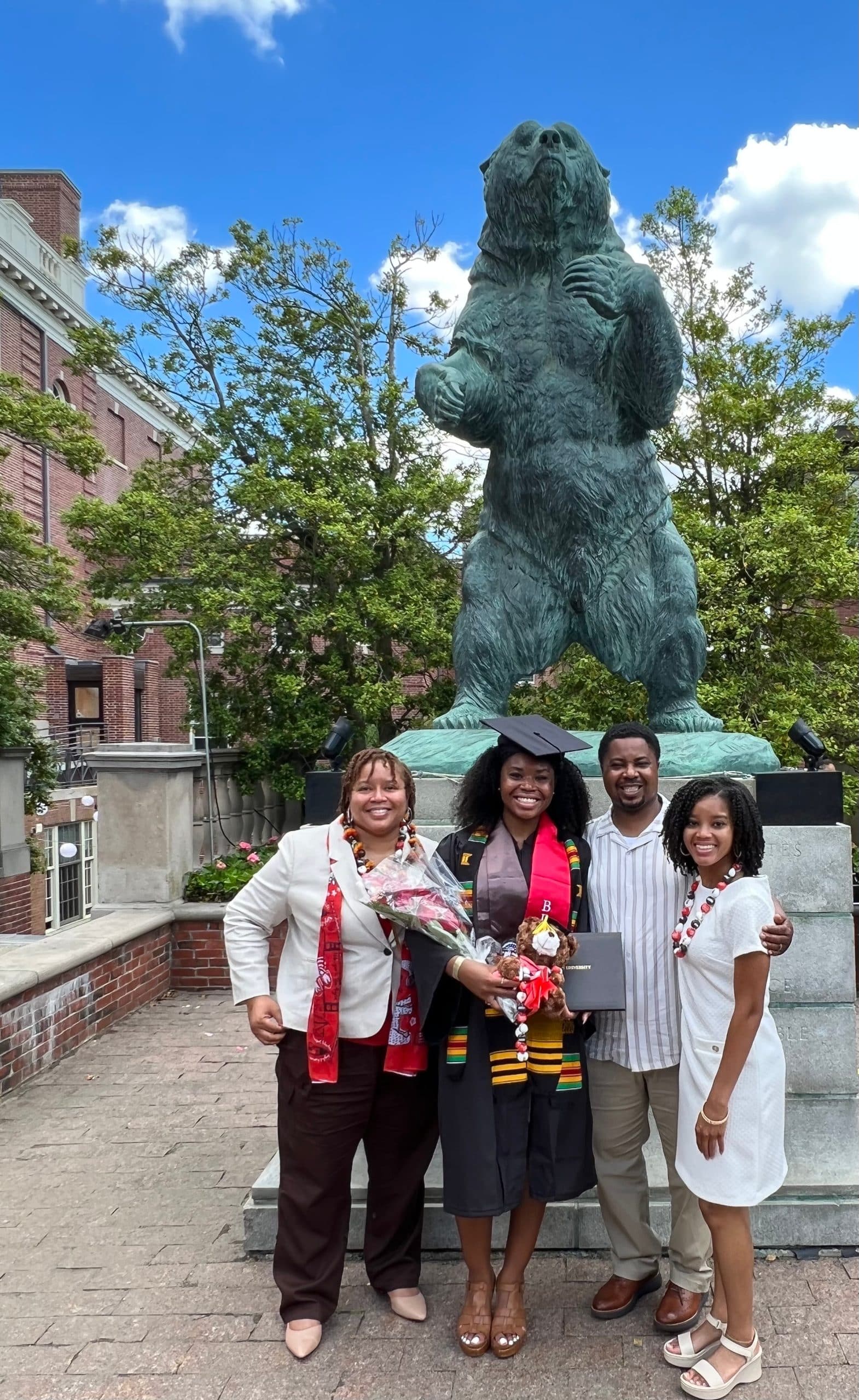
When I attended Brown University, my daily schedule included a 6 am workout, breakfast, a morning class, a mid-day workout, lunch, an afternoon class, office hours, and basketball practice, plus a university tour that I gave to prospective students, responsibilities I had as an RA in my dorm, and self-imposed library sessions to finish all my homework. I remember the shock on my friends’ faces when I told them my schedule for the day. They could not believe I was “doing so much.” They typically had a couple of classes and then filled in their schedule however they wanted. I could not believe they were doing so little.
Grinding was how I grew up in Flint. I attended Carman-Ainsworth Community Schools before graduating in 2016. I was often on Saginaw Street, where my dad owned a building and ran weekly youth groups for the State of Michigan. I remember taking 22-hour road trips down south to visit family or attend events because it was cheaper than flying. I remember my parents sitting my sister and me down in 2008 to explain why they had to use our college funds to pay bills they could no longer afford. I remember my aunt taking me back-to-school shopping, and her cable later getting cut off because she spent the payment on me.
I remember every reason why I stepped on Brown’s campus in hustle mode. And I wasn’t alone.
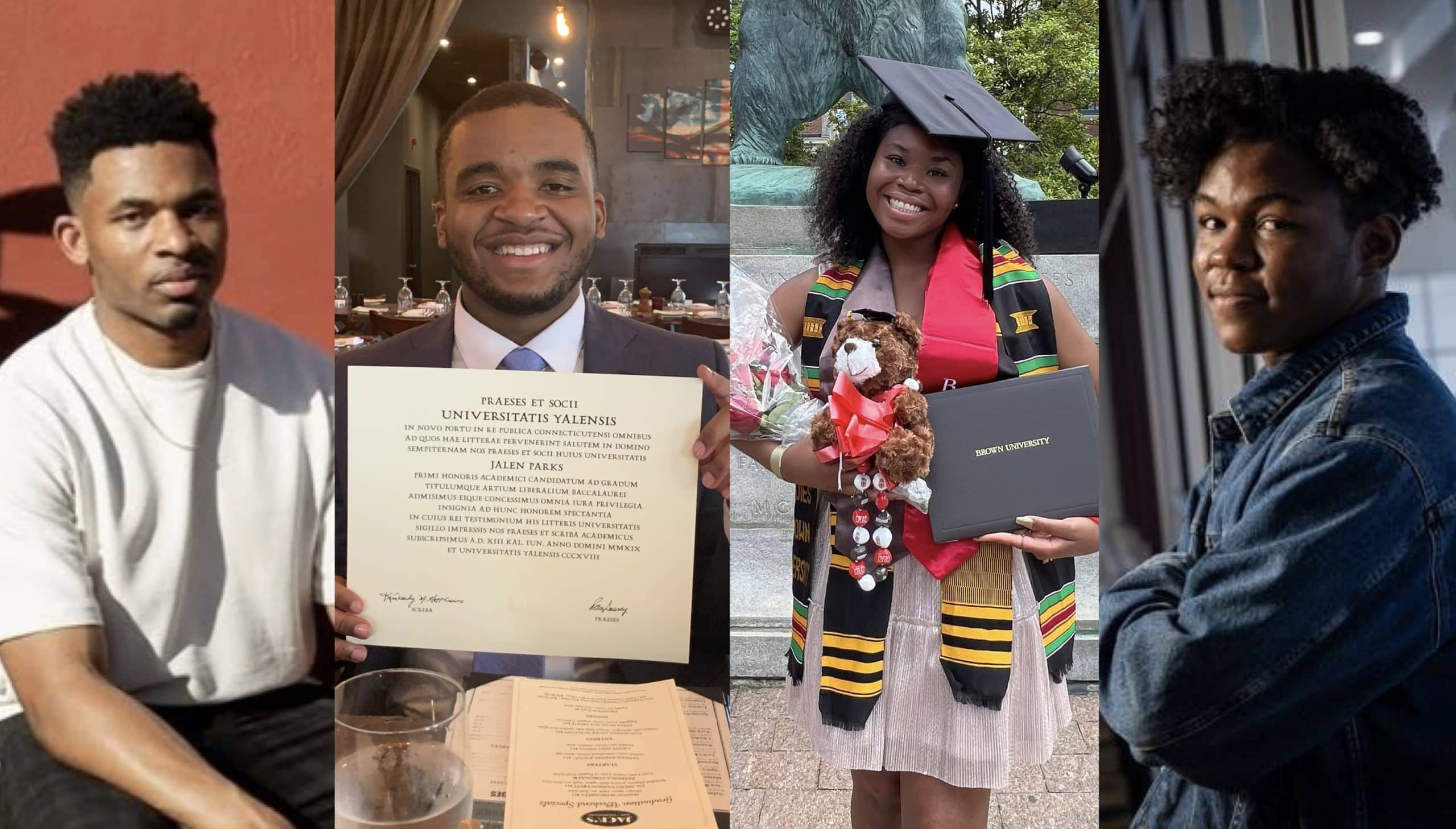
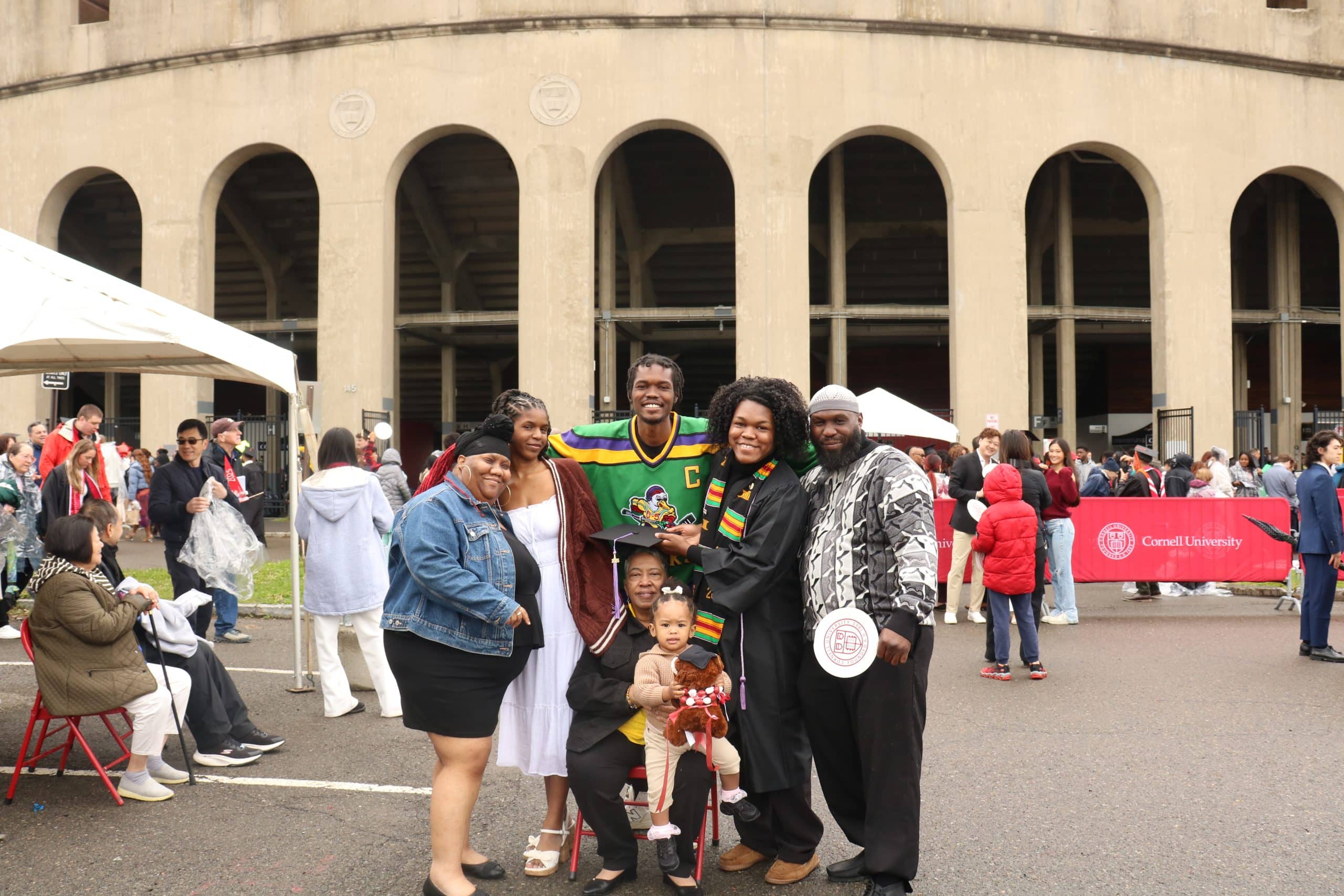
Jelani Taylor had graduated from Beecher in 2016 and was doing the same thing at Cornell University. A year ahead of us was Atherton alum Jalen Parks at Yale University, and a year ahead of him was Carman alum and my sister, Rani Richardson, at the University of Pennsylvania. Years later, Keishaun Wade, a Southwestern alum, graduated from Cornell last May. There’s also Milik Dawkins (Carman, Cornell) and Freddie VanDuyne (Carman, Yale).
Flint was the training ground that armed us with the tools that helped us succeed in the Ivy League.
“Being from Flint is what helped me stay at Yale,” Parks said. “Flint makes one be adaptable… to whatever circumstances you find yourself in [and] you figure out the way that you need to navigate it.”
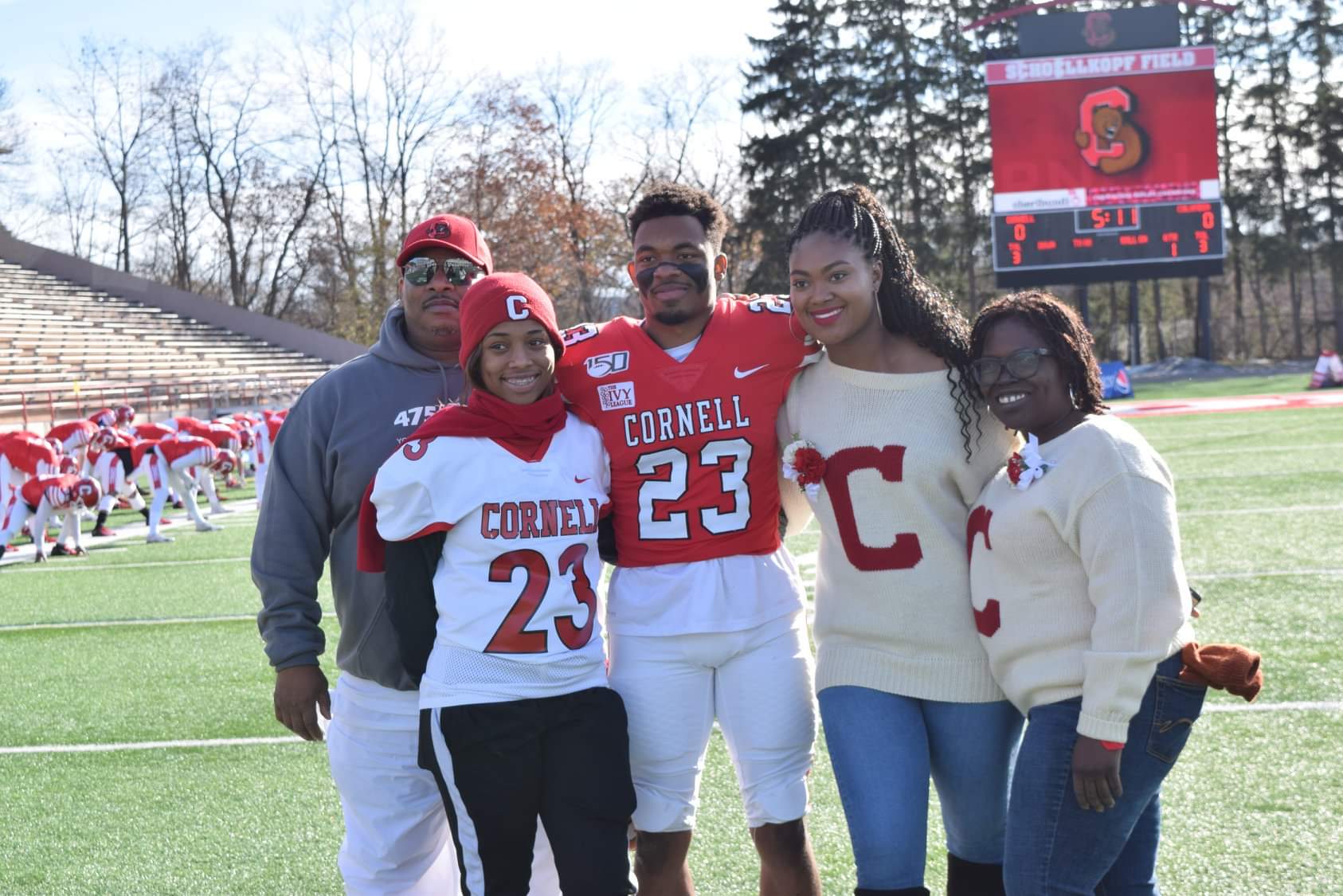
“Flint really was like a bedrock for me when I think about going to Cornell,” said Taylor, who moved around a half dozen times in as many years with his father and three siblings when he lived in Flint. “Finding a way to have a sense of confidence even when the surrounding is a little tense is something I definitely learned in Flint. I think it’s just a tough city, tough people.”
“There is just a level of resiliency and grit that we have had to have as children growing up in Flint,” Wade said. “Flint is a place where — if I was serious about it — I could very well be listened to and have a role in creating change. My teachers, especially at Scott [Elementary], were very serious about making sure I was always challenged [and] making sure I always had opportunities.”
Wade currently works for the Flint Housing Commission, while VanDuyne is a tutor in Colorado. Taylor currently lives in New York City and works as an account executive at EliseAI, where he sells AI to real estate companies. Dawkins lives in the Washington, DC area and works at Accenture, a global professional service company that helps businesses scale. Parks is currently in law school at Boston University and in a doctoral program at Yale University, while Richardson will graduate with her medical degree in May from the University of North Carolina at Chapel Hill.
Wade, Parks, and Taylor offered a wide range of reasons for why there are not more Flintstones in the Ivy League, and they recalled relying on their upbringing to navigate difficult moments in college.
‘This Invisible Lid on People’
Wade said longstanding, poor educational outcomes in Flint are not indicative of a dearth of talent, but of “broad systemic issues,” such as curriculum gaps, inhospitable learning environments, police officers in schools, and exploitative punishment systems.
“We are dealing with kids in extreme levels of poverty, and the school system does not actually respond in a way that would set them up for success,” Wade said.
Flint is 56.7% Black, according to the 2024 Census data. The median household income was just over $36,000 in 2023, and about 34% of people lived in poverty, according to the data. There are also low levels of formal education in the area. About 8% of Flint residents over the age of 25 have bachelor’s degrees, according to a 2023 report by the Flint and Genesee Literacy Network.
Fewer than 10% of students in Flint tested at proficient or better in third-grade ELA, compared with over 40% statewide, the report said, adding that about 20% of Flint students enrolled in college within 6 months of graduating high school in 2021. The state average was about 53% for the 2023-24 school year.
These stats are only part of the story, and people like Wade, Taylor, and Parks are another part, said Fabienne Doucet, the Executive Director of New York University’s Metropolitan Center for Research on Equity and the Transformation of Schools.
“What that makes me think of about these young people is that we shouldn’t necessarily be shocked. There are many things about Flint that have contributed to their success – not just that they’ve overcome, but Flint is part of their story and is part of their success,” she said, adding that Parks, Wade, and Taylor are examples of what can happen when community stakeholders invest in students. Doucet added that the collective investment of specific programming, parents, teachers, school leaders, and city leadership in Flint students as a whole is what makes the difference.
RELATED LINK: https://flintside.com/flint-center-for-educational-excellence/
City, county, and state initiatives have been investing in Flint’s education and college readiness over the years. Central High School is slated to reopen under a new name and renovated campus after funding infusions from entities like the Mott Foundation in December.
In 2024, the Genesee Intermediate School District launched an online hub, Beyond Grad, that helps high schoolers plan their college education. That same year, the Flint Center for Educational Excellence introduced a six-pronged attack to increase academic achievement through various programs. The Michigan Assured Admission Pact launched in 2023, guaranteeing admission at 10 public universities to high school graduates who earned at least a 3.0 GPA.
The Flint Cultural Center Academy opened in 2019 for grades K-8 and intends to expand through 12th grade in the future. Flint Freedom Schools started in 2016 to help close the literacy gap and provide year-round resources.
Taylor said another reason there aren’t many Ivy League Flintstones is limited exposure.
“If you don’t have parents or anybody who was counteracting that saying, ‘No, you can go and do all of these different things,’ it puts this invisible lid on people. It keeps people comfortable with just doing better than their parents did,” he said.
RELATED LINK: https://flintside.com/flintafterschoolprogramtargetsparentstoo/
Parks said Yale was on his radar because he saw Richardson go to Penn the year before, and his mom had previously said she always wanted to go to Harvard, which he didn’t think was a good fit for him, but it made him consider the Ivy League. When Parks headed off to Yale, local news stations covered him. Wade saw Parks on the news, which sparked the idea of applying to peer institutions.
Parks said this short chain, showing the impact of representation, pales in comparison to the prominence of the pathway athletics creates for many Flint students, such as the NBA’s Miles Bridges, Javale McGee, and Kyle Kuzma, and boxing great Claressa Shields. Students don’t consider the Ivy League as much because academic opportunities have less social capital and awareness than the “glitz and glam” of having an NBA career, Parks said.
There’s also the expensive college bill to pay. The annual cost of attendance at Ivy League schools can be $100,000. But they also offer need-based financial aid. Depending on the school, families who make less than $150,000 annually receive a full financial aid package.
“When I realized, because I’m from a low-income background, I pretty much can go to any of these schools for free — that was a game changer for me,” Parks said.
RELATED LINK EMBED: https://flintside.com/gisd-fafsa-workshop-aims-to-help-more-genesee-county-seniors-unlock-financial-aid/
While it is not every student’s goal to attend an Ivy League school, there are other markers of exposure – such as trying new foods, traveling, and reading books – that can add perspective and life experience. Taylor said he purposely flies out his family, who still live in Flint, to New York City to show them more.
‘A Different Type of Situation’
Transitioning to college can be difficult for most students, no matter the campus. When Wade was at Cornell, he often sat in courses on urban and regional planning with Flint on his mind. He remembered being a fifth grader at Scott and hearing teachers brace students for the possibility that the school would shut down.
He remembered when emergency management took over the city and when then-Governor Rick Snyder greenlit the change to the water source that led to the Flint water crisis. He remembered Southwestern discontinuing its IB program shortly after he graduated. He lived the vast majority of the academic concepts Cornell taught him, which both helped and hurt him.
“For my classmates and my peers, these were purely theoretical frameworks that have no impact on their personal lives. I’m thinking about this in a totally different way because this has been my lived experience,” he said. “There were times where I wasn’t even for sure that I was gonna graduate from Cornell. That created such a deep sense of shame within me and imposter syndrome. The people I came to school with graduated within that four-year timeline. I used to feel like a failure for not being able to do the same thing, but my circumstances were completely different.” Wade graduated in six years.
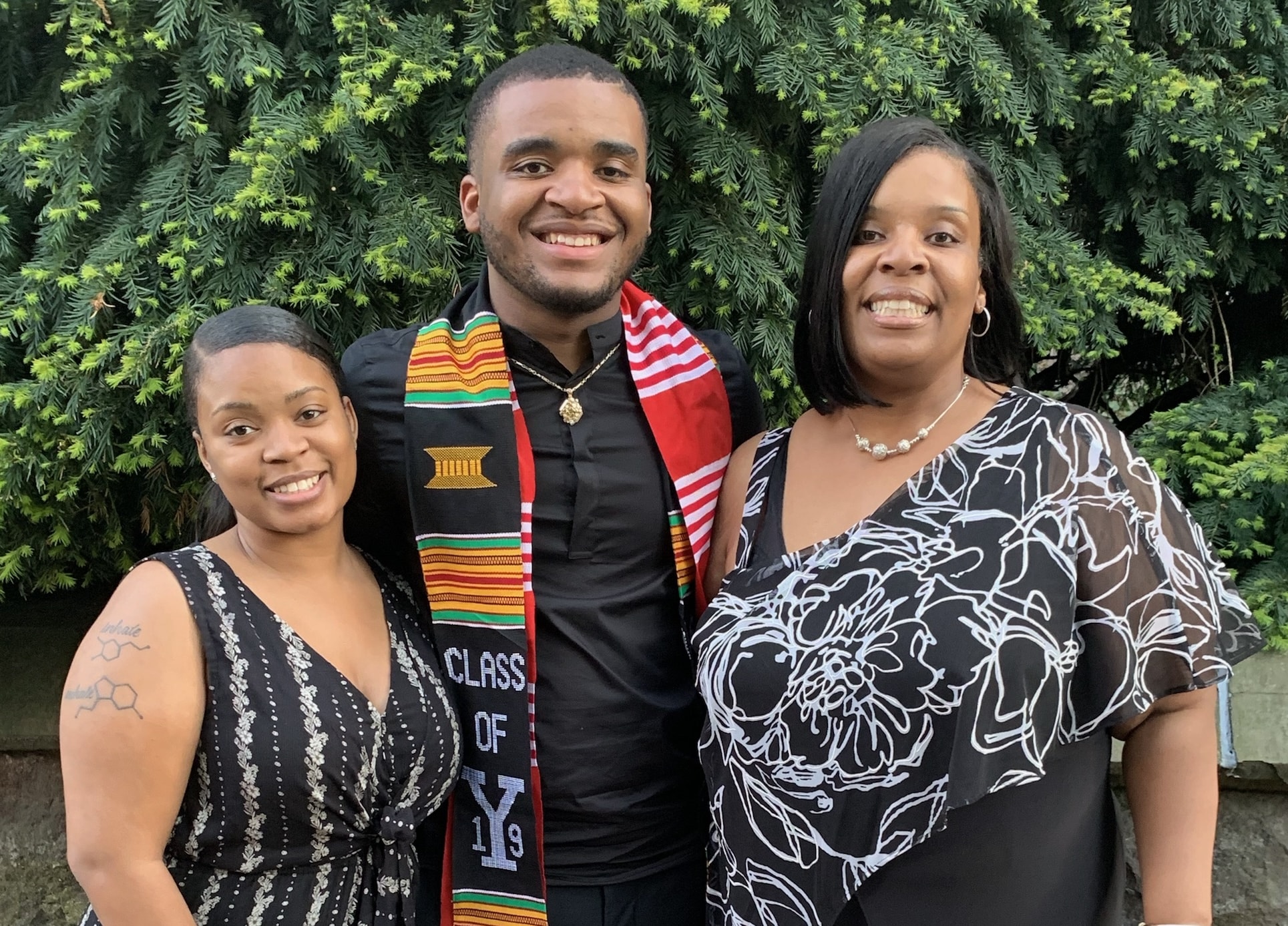
Parks said he initially had a rough transition to Yale as well, with culture shock from moving to a new region, adjusting to the student body’s demographics, finding and forming his identity, and adapting to the fancy food served in the dining halls.
“I didn’t reach out for help when I needed it,” Parks said. “Academically, socially, and that really came to bear [in] my first semester.”
Taylor’s adjustment to Cornell was also rocky. He was on the football team, so he had little free time. Also, during one of his first courses, a teacher started class by asking the room full of students to raise their hands if they had been on a yacht.
“Everybody’s hand pretty much goes up except mine,” Taylor recalled. “So, I’m looking, like, alright. This is a different type of situation….It’s not even an adaptability, but it’s like an emotional awareness and a social awareness that everywhere is not where I grew up.”
RELATED LINK: https://flintside.com/gisd-opening-path-college-for-hs-students/
Wade, Parks, and Taylor said they proudly told people on campus they are from Flint and still talk about the city often with their friends and peers to change the public narrative about it.
“Folks knew that I was from Flint, that I was at Yale, and that just like anybody else who might be from New York City or Calabasas, those of us from Flint can make it here, too,” Parks said.
Growing up here had such an impact on our success that my sister and I started the Ivy Pipeline Program while we were in college, and Taylor and Parks agreed to help us run it. The goal was to tap into all of the talent in Flint and help interested residents get into Ivy League schools. Wade said he is interested in reviving the program.
“My trajectory was not clean and easy,” Wade said. “This community gave me all that it could. I owe it to the community to do my best to serve it.”
Author
Related Articles
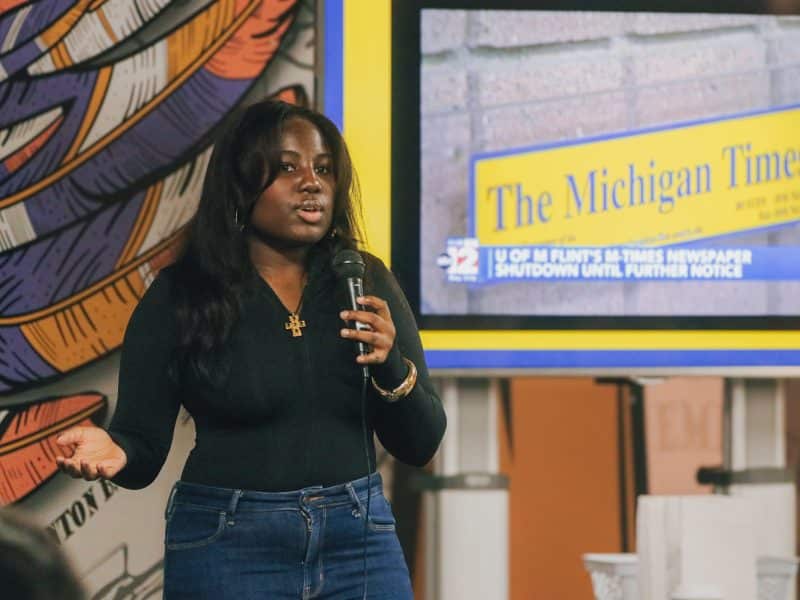
How UM-Flint Students Are Rebuilding The Michigan Times
The Michigan Times returns to UM-Flint, aiming to rebuild trust and reconnect campus and community.

GISD FAFSA Workshop Aims to Help More Genesee County Seniors Unlock Financial Aid
GISD is hosting a FAFSA workshop for high school seniors and parents.
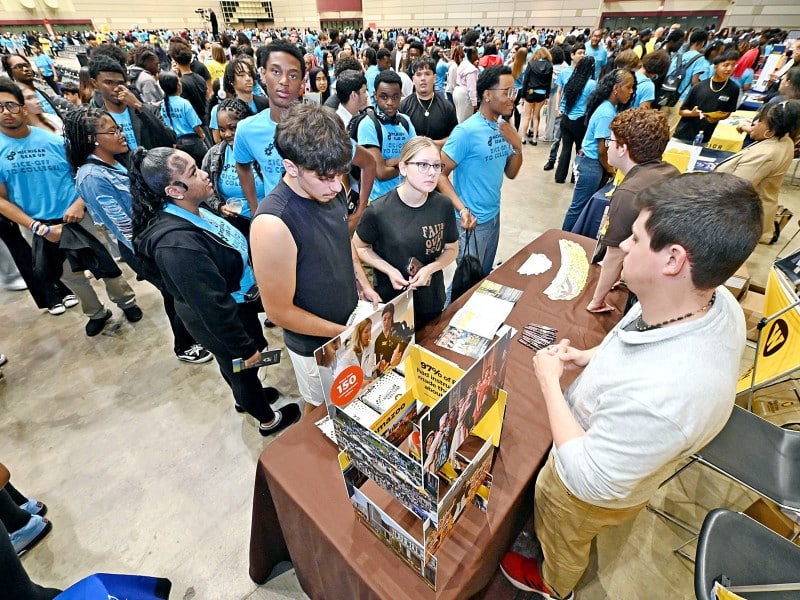
Michigan seniors take center stage at first statewide GEAR UP Kick-Off to College event
Nearly 1,700 Michigan seniors gathered in Lansing for the first statewide GEAR UP Kick-Off, with over 150 earning on-site college acceptances.


