
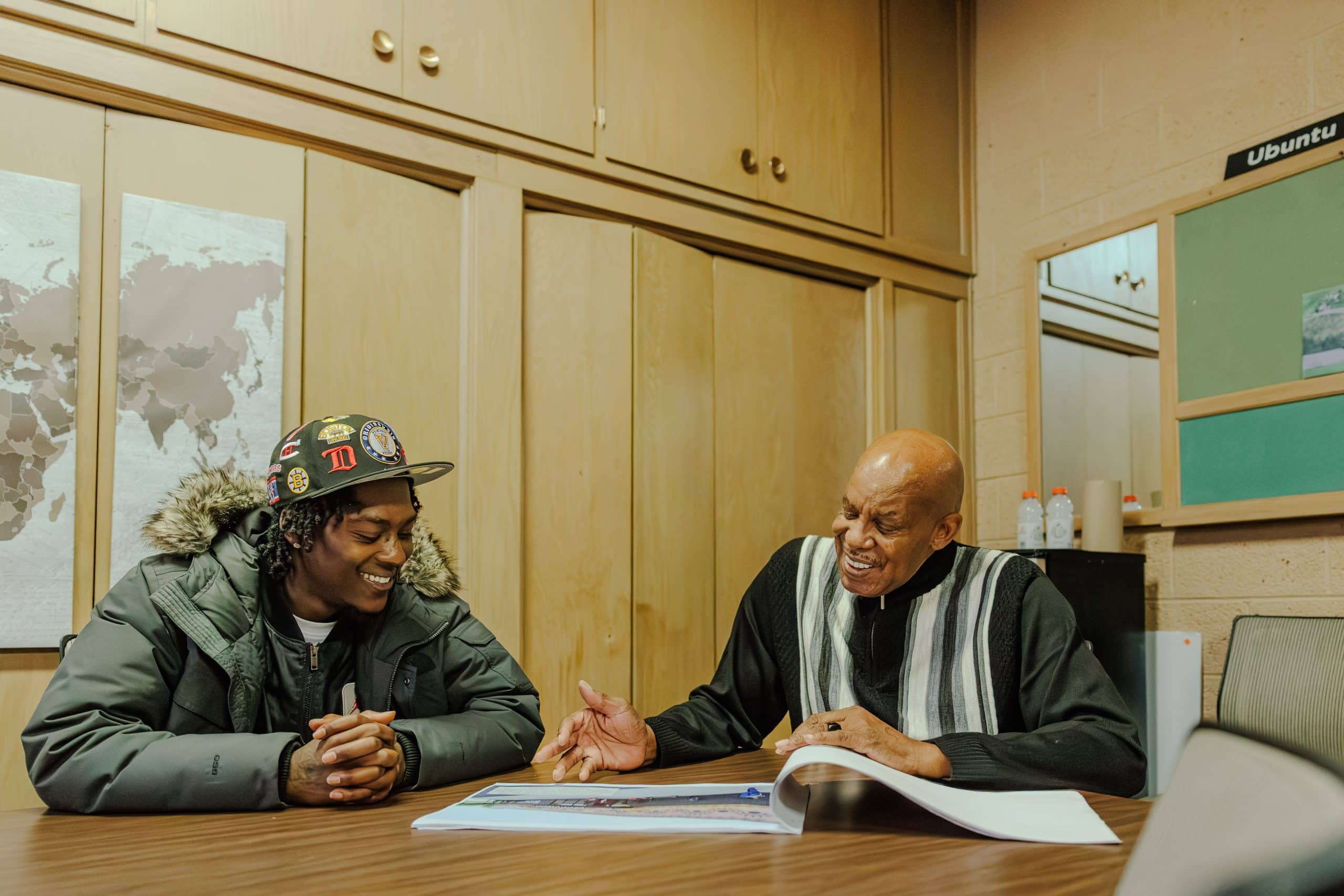
FLINT, Michigan — On the corner of Dupont and Dayton, a building that once stocked meat and groceries is preparing to offer something different — connection.
Soon, the former Dort Meat Market will become the Ubuntu Building, home to the Urban Renaissance Center, a Flint-based nonprofit focused on community-led revitalization, and a hub for community-led healing, learning, and global connection in one of Flint’s most resilient neighborhoods.
Originally, the building operated as an A&P grocery store — part of a national chain that once anchored many working-class neighborhoods across the country. For the Civic Park community, it served as a local food source at a time when nearby retail options were limited and neighborhood-based shopping was the norm. The building later became the Dort Meat Market, a family-owned business that served the community for more than three decades.
“That building has been a provision to this neighborhood for a long time,” said Pastor R. Sherman McCathern. “It’s still providing — just in a different way now.”
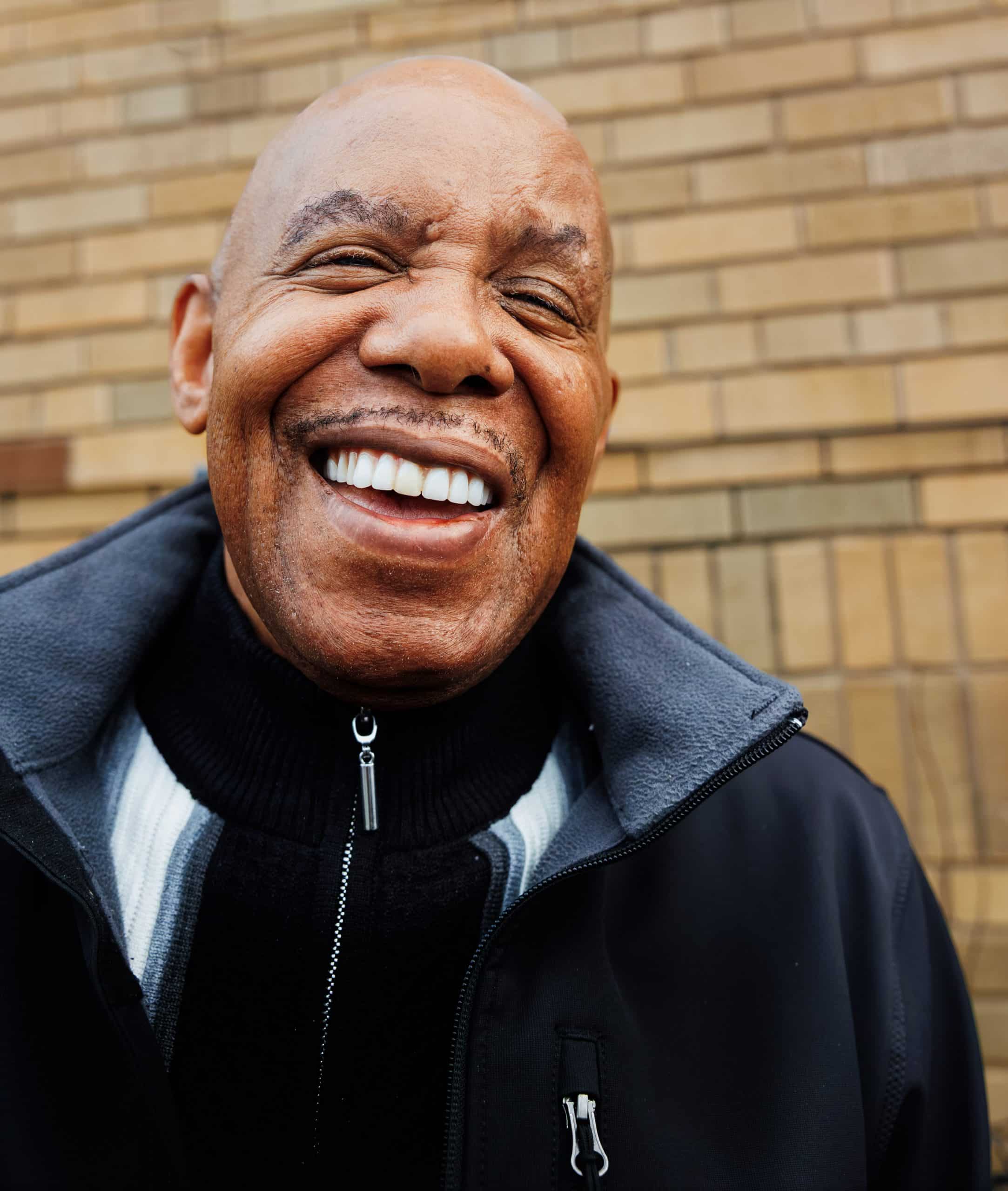
The project is rooted in Ubuntu, an African philosophy often summarized as “I am because we are.” For McCathern, who leads the Urban Renaissance Center, Ubuntu is a way of organizing community, one that emphasizes shared responsibility, mutual care, and collective growth.
“It’s the oneness of creation — our connection to God, to each other, to the earth. That’s what Ubuntu really means to me,” McCathern states. “It’s what has existed [throughout] humanity.”
The Ubuntu Building, he says, pointing to the long-standing need for change in Civic Park, is not meant to function as a traditional service center. It’s “a headquarters for the entire village — a place where all that energy comes together.” Even moreso, it’s a village space shaped by the people who live around it.
“I used to watch kids walk to school through blocks of abandoned houses, then be told to open their books and dream about the future. That kind of environment creates hopelessness,” McCathern said. He described the Ubuntu Building as a direct response to that reality. “When the Urban Renaissance Center began working in Civic Park, the focus was not on outside intervention but on rebuilding from within, starting with stabilizing homes, reclaiming vacant lots, and engaging young people who lived in the neighborhood.”
McCathern couldn’t help but reflect on the history and current conditions of the Civic Park area, where good-natured people lived alongside those who “retired from General Motors. ”He explained how parts of the neighborhood were in “total abandonment,” and how a group of young men shot guns every day.
Usually, interactions like this would’ve been deemed dangerous, considering Civic Park was considered the “most violent area in Flint” according to McCathern. But he states proudly, “We engaged those young men, and they put the guns down, picked up hammers, and started rebuilding this neighborhood.”
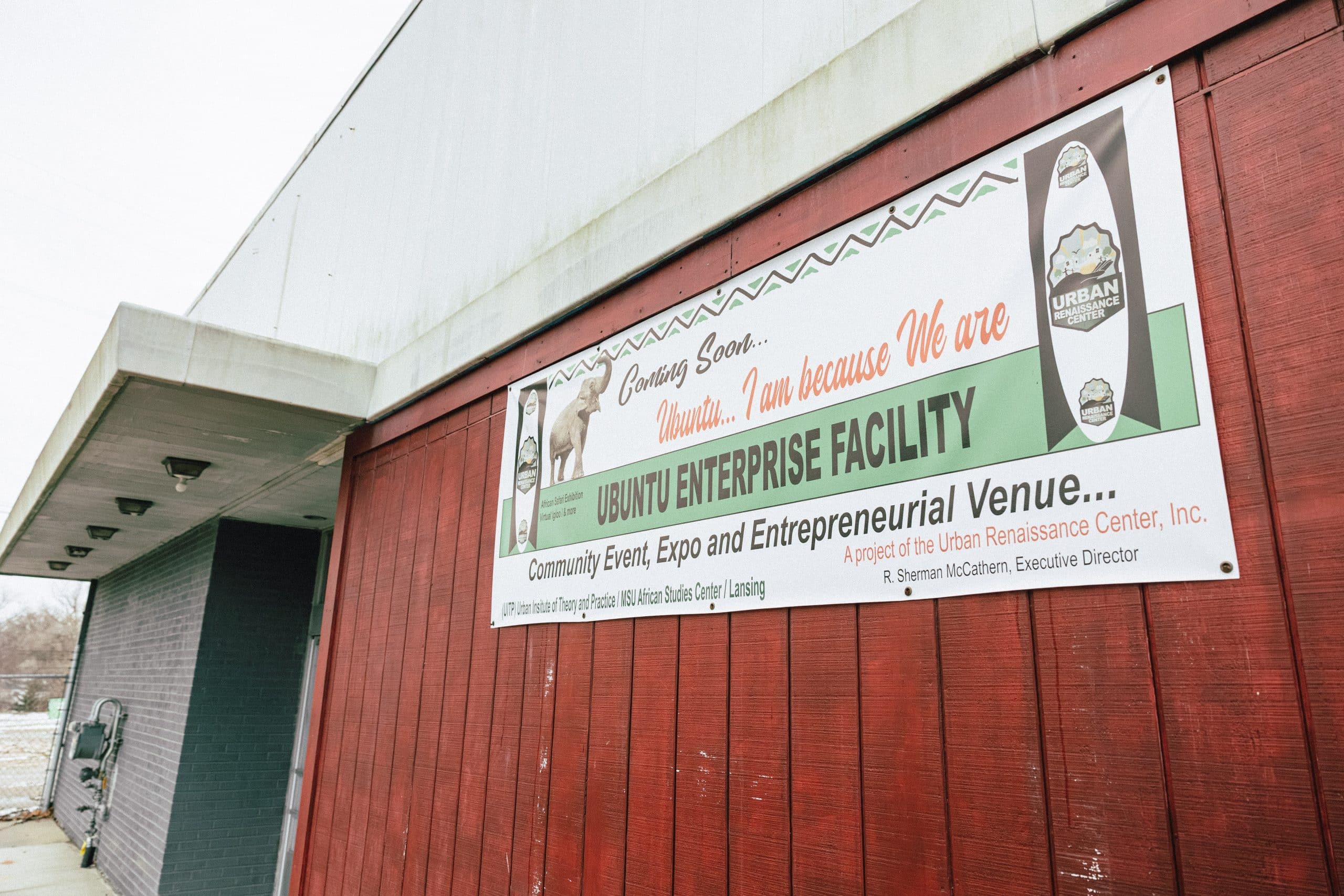
For McCathern, connection and community extend far beyond Flint. The centerpiece of the new Ubuntu building, which he’s most excited about, is an immersive “Igloo” space, meant to connect Flint’s youth with communities in Africa and around the world. It offers a window to global perspectives that would otherwise feel out of reach. Every element of the building, from its shared gardens to planned learning programs, is being shaped with input from the people who live nearby, reflecting the Ubuntu philosophy: growth through togetherness.
The Ubuntu Building’s contract lead, Mike Siwek, is hard at work bringing the vision to life through partnerships with colleges and universities, including Michigan State University and Howard University. Students from these institutions are expected to play a role in internships, mentorship, and program development, helping bridge academic learning with on-the-ground community work in Civic Park.
Through these collaborations, the Urban Renaissance Center hopes to expose local youth to higher education pathways while also bringing new ideas, research, and global perspectives into the neighborhood. Those relationships reflect Ubuntu in practice — learning and growth shared across communities, generations, and borders.
“This is bigger than my leadership,” McCathern admits. “This is what has to happen in America — communities becoming self-sustaining ecosystems again.”
As of January 2026, work on the Ubuntu Building is still underway. McCathern and the team behind the project are focused less on timelines and more on readiness — ensuring the space reflects the needs, values, and voices of the Civic Park community before its doors officially open.
From construction and programming to partnerships and planning, the work continues to be shaped by the same people the building is dedicated to serving. For residents of Civic Park, the Ubuntu Building is a place built with them, not for them.
You can learn more about the Urban Renaissance Center and its Ubuntu Village on its website.
Editor’s Note: Correction was made to change building location from Dort Highway to Dupont and Dayton in Civic Park.
Author

Related Articles
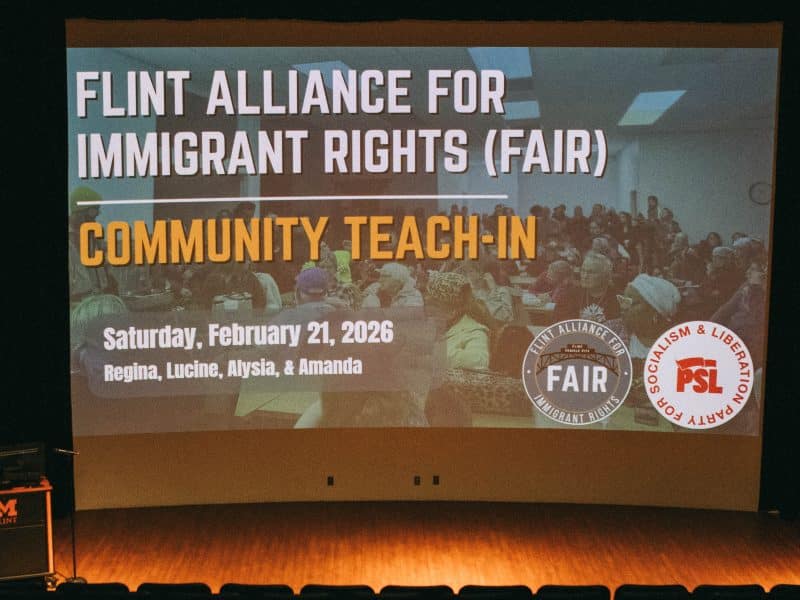
Coalition Building for Immigrant Justice: How FAIR Flint Is Strengthening Support
FAIR Flint strengthens immigrant support through advocacy, resources, and coalition building.
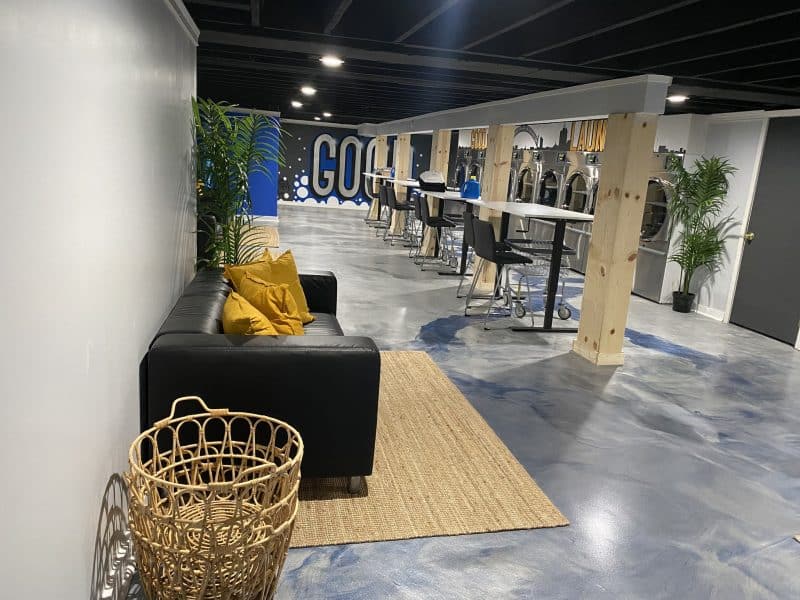
Good Laundry tackles hygiene poverty while building community in Flint
Good Laundry in Flint tackles hygiene poverty by community-centered laundromat that’s “more than just clean clothes.”
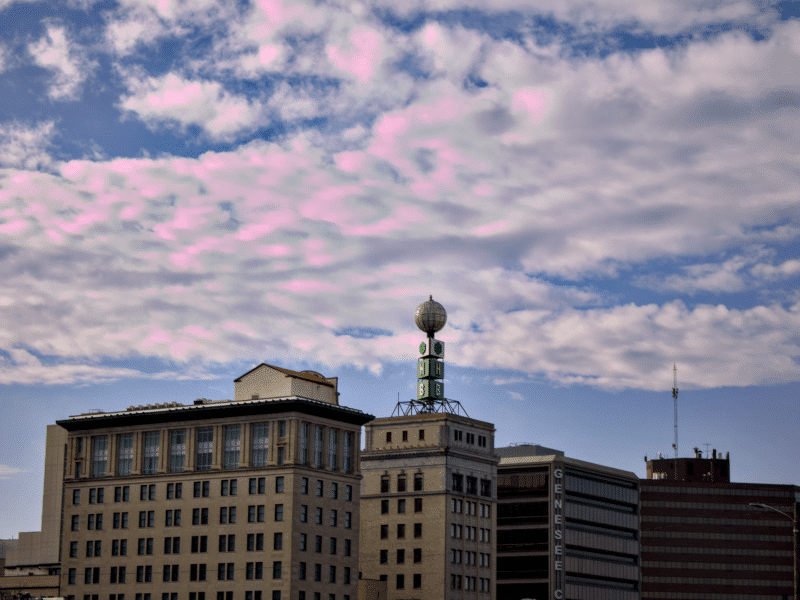
In Pictures: Downtown Flint
Photographer Ryan Hobson journey’s to downtown Flint to capture one of the heartbeats of the city.