
Inclusion Takes the Center Stage at Flint Community Players
Flint Community Players center inclusion by rethinking how theatre audiences experience performances.
“[There are] those who may want to talk, or parents who don’t want to worry about their toddler or neurodivergent child moving around. We work to put together shows for these people, too.”
FLINT, Michigan — Inclusion is often defined simply as the act of being included. But inside the historic Flint Community Players theatre, inclusion takes on a more tangible meaning—one shaped by intention, accessibility, and community care.
For Flint Community Players Production Coordinator and Manager Zachery Wood and Sensory-Friendly Performance Coordinator Megan Wood, inclusion is not an abstract idea. It is a guiding principle that informs how performances are designed, how audiences are welcomed, and how both patrons and performers experience live theatre.
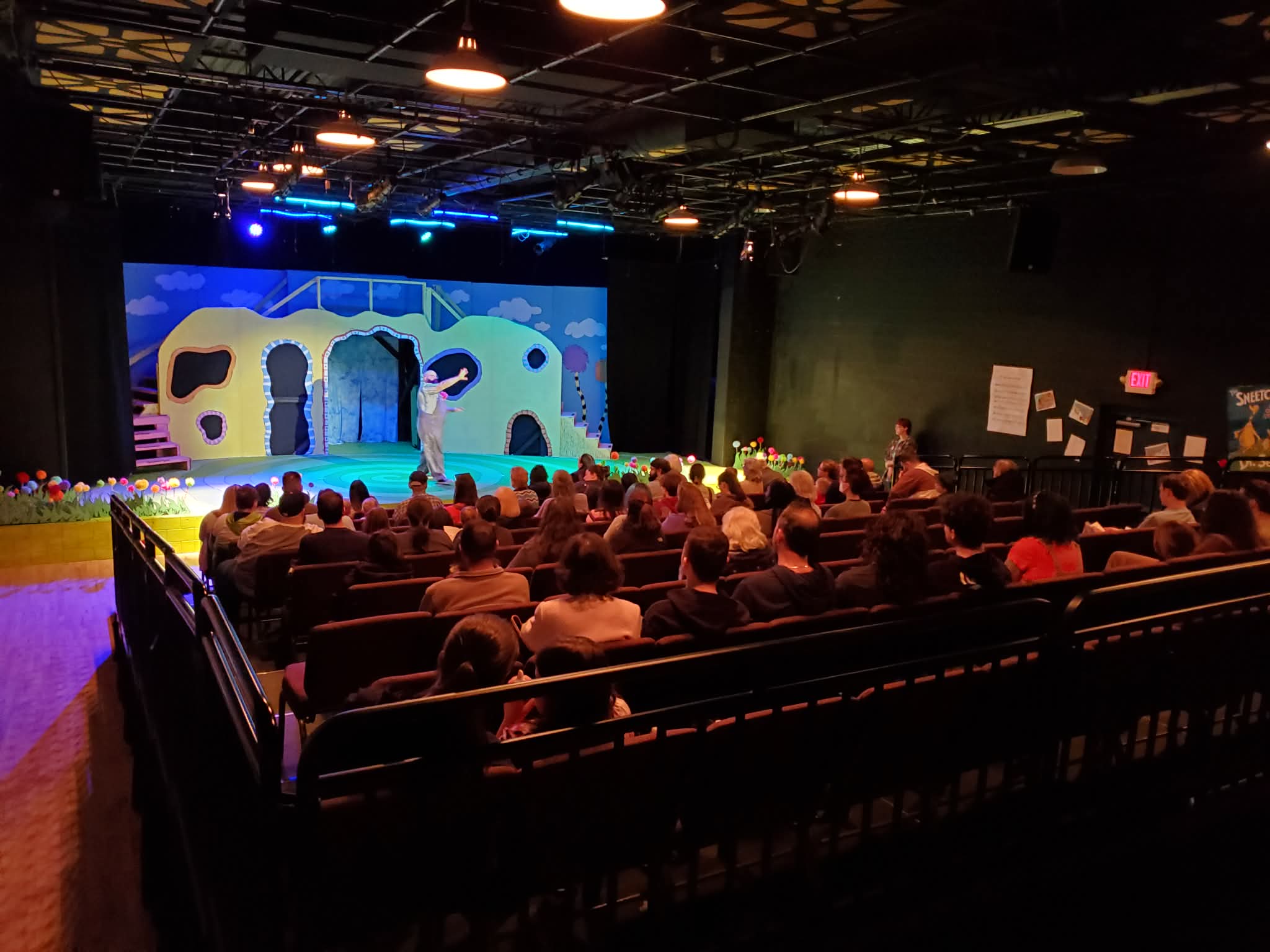
Sensory-friendly performances, as the Woods explain, are often misunderstood as programming designed exclusively for children with autism or ADHD. While the theatre offers family-oriented productions such as Seussical, the scope of these performances extends far beyond younger audiences.
Wood recalled a sensory-friendly performance of Steel Magnolias that drew a largely older crowd—patrons who enjoy theatre but may find traditional performances challenging due to hearing difficulties, vision limitations, or other sensory considerations.
“When we looked out at the audience, we noticed that we had a lot of older people who aren’t typically able to experience this comfortably under normal theatre conditions,” Wood said.
Those conditions can include dim lighting, loud sound cues, or expectations of silence and stillness—elements that may present barriers not only for older adults, but also for individuals with mental health conditions or neurodivergence.
In addition to these groups, sensory-friendly performances also serve patrons seeking smaller audiences or safer environments. Megan Wood noted that immunocompromised individuals, families with young children, and patrons who may feel anxious in traditional theatre settings all benefit from the adapted format.
“There are also people who come looking for a smaller crowd or those who are immunocompromised,” she said. “[There are] those who may want to talk, or parents who don’t want to worry about their toddler or neurodivergent child moving around. We work to put together shows for these people, too.”
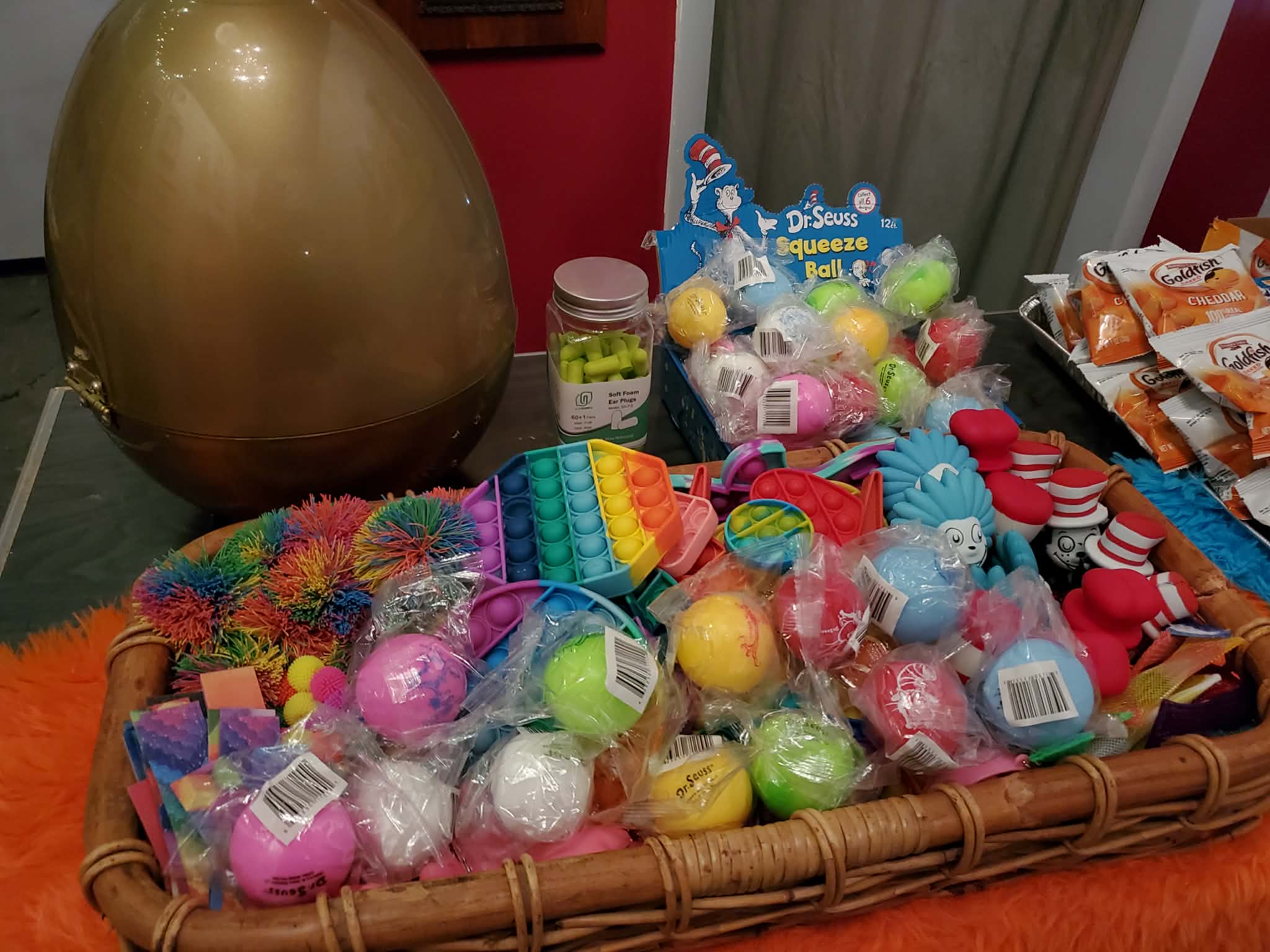
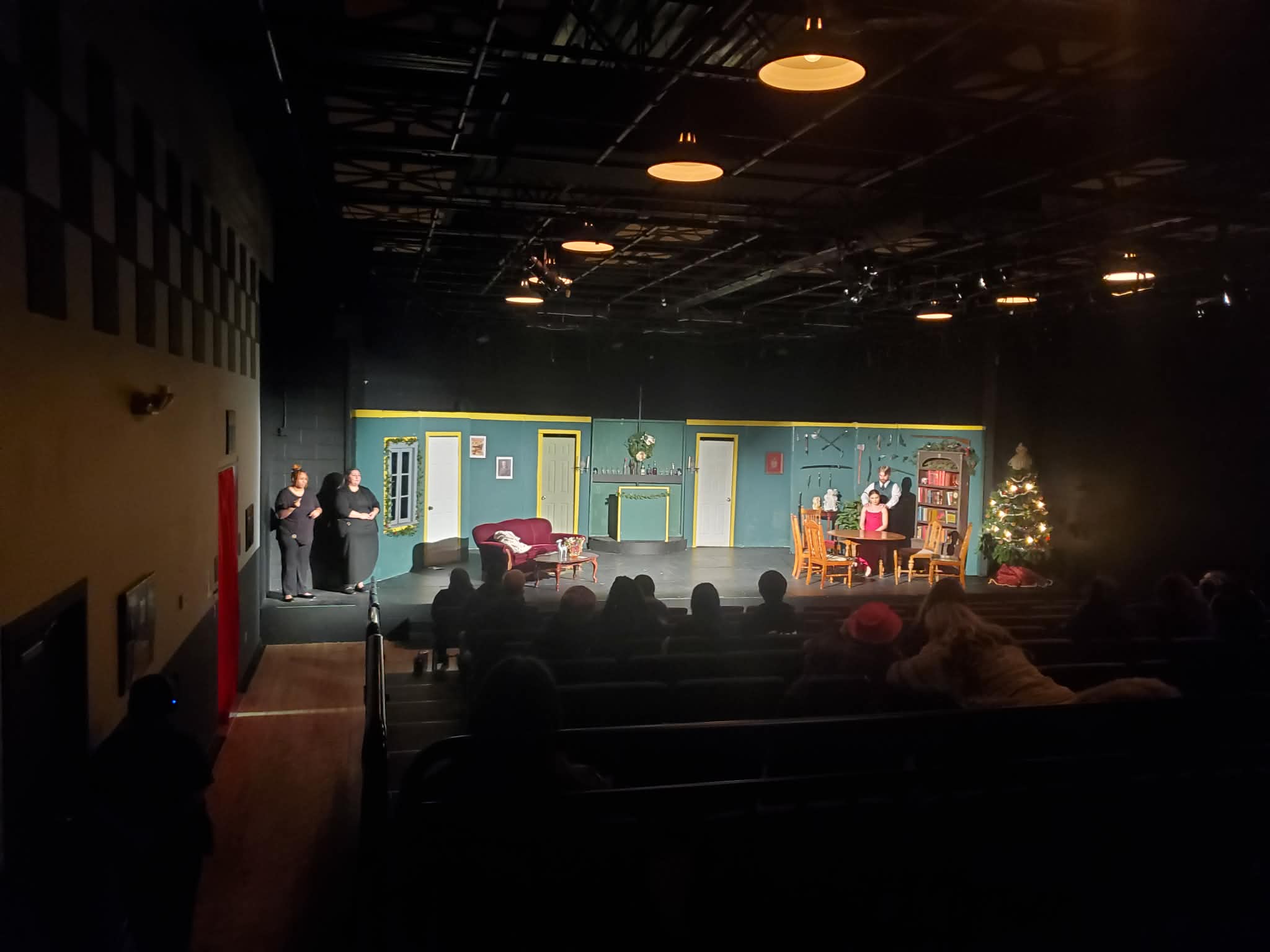
To accommodate a wide range of needs, Flint Community Players incorporates several adjustments into sensory-friendly performances. House lights remain partially on, sensory rooms are stocked with fidget tools, and select shows offer ASL interpretation. Staff and performers are also prepared for audience movement or noise during performances.
Zach Wood regularly delivers pre-show announcements to set expectations and ease audiences into the experience, while performers rehearse under conditions that mirror sensory-friendly environments.
The theatre’s commitment to accessibility extends to its performers as well. Many cast members come from the local community and may have little or no prior theatre experience. Wood emphasized the importance of communication and flexibility in building confidence among both novice and seasoned performers.
“There is always more we can learn and more we can adjust,” he said. “Having those peer-to-peer and professional conversations helps people feel less intimidated and more confident.”
Community feedback plays a central role in shaping future programming. The Woods noted that audience responses inform not only accessibility measures, but also decisions about which stories are brought to the stage.
That community-centered approach includes partnerships with Mott Community College, where ASL program students are invited to interpret performances—gaining practical experience while serving Flint residents.
Through careful planning and continued dialogue, Flint Community Players has built a theatre environment where inclusion is experienced rather than explained.
The company’s next production, Peter and the Starcatcher, opens April 25, 2026 — continuing a tradition of storytelling that prioritizes access, comfort, and belonging for all who enter the space.
To learn more and purchase tickets, visit their website.
Author

Related Articles
Kane’s House of Comedy Brings a Packed Night of Laughs to Flint
A packed night of laughs at Kane’s House of Comedy showcased Flint’s vibrant comedy scene.

Pressing Record: Ace Gabbana and the Stories That Built King Mondo T.V.
Ace Gabbana reflects on family, memory, and growth in his most personal album yet.

Step Afrika! Brings Rhythm, Heritage, and History to Flint
Step Afrika! brings the cultural rhythm of stepping and African American heritage to Flint.


