
The Pulse Continues: Inside Tapology’s Intergenerational Legacy
Tapology celebrates 24 years of legacy, leadership, and Flint’s next generation.

FLINT, Michigan — For more than a century, tap dancing has stood as one of America’s most enduring art forms, born from African American rhythm traditions and carried onto stages around the world. It’s safe to say that no matter what was going on globally, we all connected and could hardly resist the enchantment of tap dancing. In Flint, that legacy has a name: Bruce Bradley.
For 24 years, Bruce Bradley, father of four and a renowned performer, chose to serve at-risk youth in Flint, teaching them an African American art form that can open doors they thought they could never access. Bradley has brought world-class tap artists to Flint, creating a cultural pipeline from Flint to Broadway and beyond. More than 20,000 young people have participated in Tapology programs. Many former students now perform internationally, teach at major institutions, and lead arts initiatives of their own, something he’s proud of.
Earlier this month, Tapology marked its 24th Annual Tap Festival in the Flint Cultural District, themed “Matters of the He(A)rt: Pulse of a Legacy.” The title was more than symbolic. It honored Bradley’s return to the stage and community following life-saving heart surgery and underscored that Tapology has grown beyond one man and the confines of one classroom.
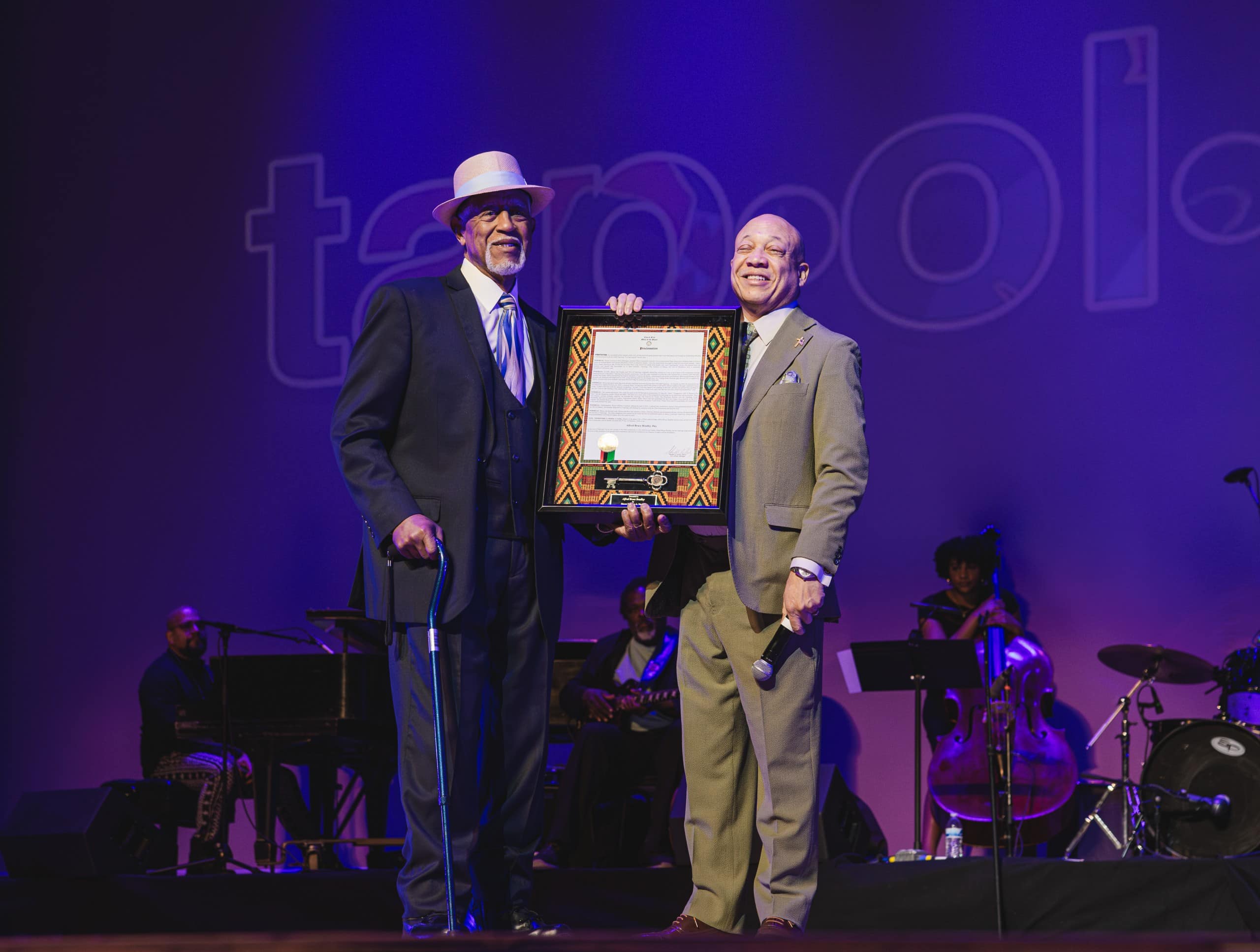
But the most emotional honor came during the festival weekend, Flint Mayor Sheldon Neeley presented Bradley with the Key to the City, recognizing not only artistic excellence but also civic devotion. Bradley chose Flint over larger markets early in his career, building a cultural institution in a city too often defined by its hardships rather than its artistry.
That devotion was tested last year.
Bradley was placed in an induced coma for ten days and underwent a six-hour surgery with only a 20 percent chance of survival. “Everywhere there was a problem. God stepped in,” he said with conviction.
During his recovery, leadership of Tapology shifted to his daughter, Frances Bradley, former Artistic Director and now Acting CEO. “It’s an honor for me,” Frances said. “It’s my way of staying connected to my roots. It’s a part of my story.”
Her leadership forged in crisis, is rooted in legacy. Having traveled the world through tap herself, she understands firsthand what the program offers Flint students. “I want to make sure Flint students continue to have the same opportunities I had,” she said.
Frances describes stepping into the role as a labor of love, filling what she calls “enormous shoes.” She credits her father’s lifelong discipline and active lifestyle for aiding his recovery. “He lived an active life, which actually helped him during that time,” she noted.
Long before Tapology became a nationally recognized institution, both Bradley and his daughter acknowledged the foundational influence of the late Sheila Miller Graham, founder of Creative Expressions Dance Studio Inc. Bradley began teaching tap there, watching two students grow into several and eventually into a movement.
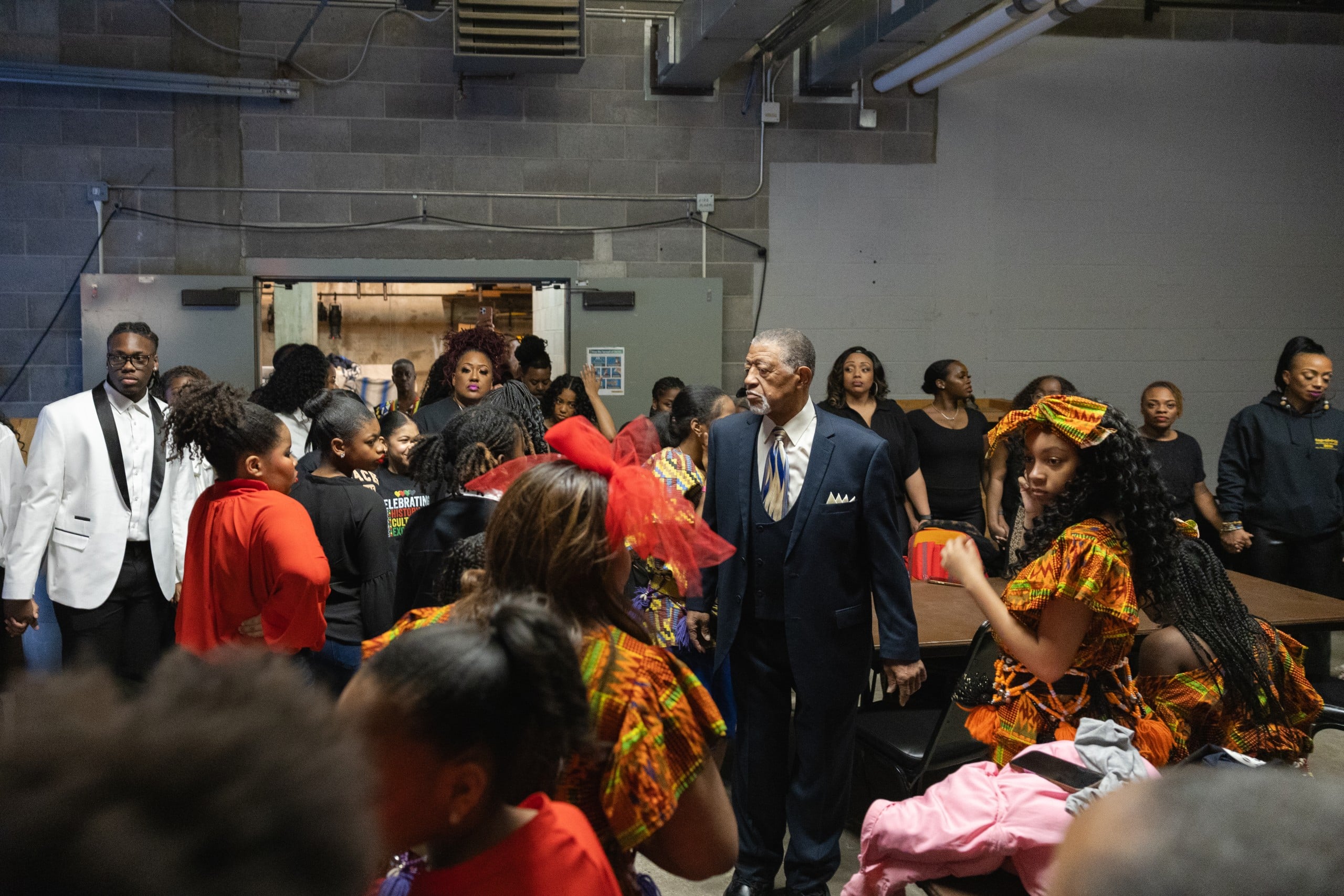
“I wouldn’t be doing this if it wasn’t for Sheila Miller Graham,” he said, displaying tenderness at the irreplaceable role she played in their lives. “We loved each other, our families, children, and our community.”
Tapology’s philosophy has always centered on students as its true legacy. Bradley often emphasizes that their excellence built the organization. “I was paying my students,” he said. “It was their excellence that made Tapology, not me.”
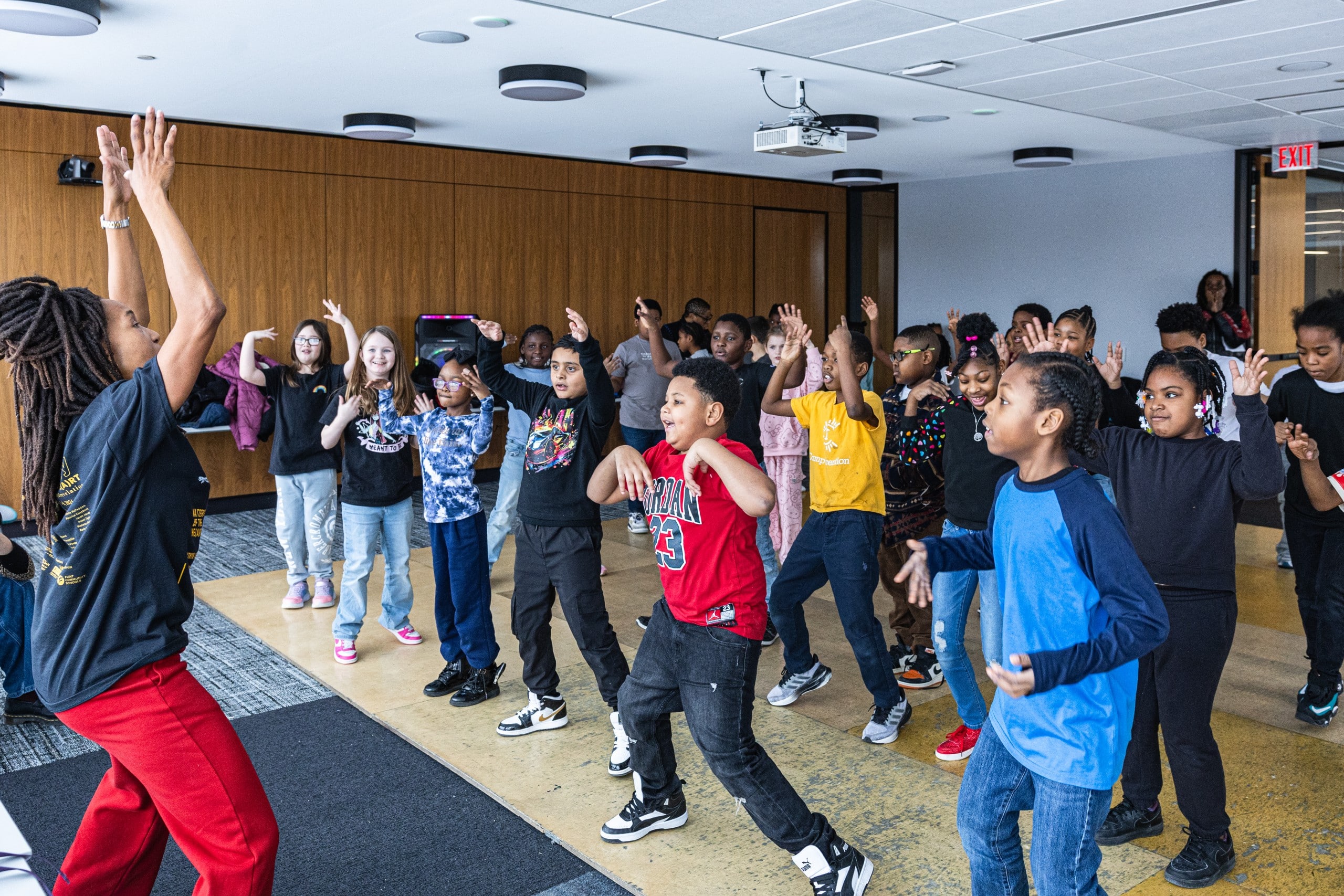
Each performance is crafted not only as entertainment but as education, preserving tap’s African American roots and framing each production as a narrative history lesson. Over two decades, the organization has cultivated a family atmosphere where alumni return, mentorship is cyclical, and each interaction feels like a reunion.
“The city has come to show their support, and I am encouraged,” Bradley said. “I feel if something happens to me, Tapology will live on.” That assurance reflects a clear central truth: Tapology is no longer solely the vision of its founder. It is an intergenerational institution.
Looking ahead, Frances Bradley plans to strengthen infrastructure, secure additional funding, hire more staff, and expand affiliated sites nationwide, ensuring sustainability while remaining anchored in Flint. When asked what she hopes Flint students feel after attending their first Tapology event, she did not hesitate.
“I want them to have that invigorating feeling,” she said. “To see how tap dance relates to everyday life and to want to give it a try.”
His own journey into tap began in childhood when his uncle took him to see The Four Step Brothers. “I was really impressed,” Bradley recalled. “They were fabulous acrobats.” What began as inspiration became a vocation and eventually a mission.
This summer, Bradley will receive the 2026 Juba Award from the Chicago Human Rhythm Project, one of tap’s highest honors. His recognitions also include being named a 2025 Taproot Fellow through a $60,000 grant from the Mellon Foundation and receiving the 2022 Michigan Heritage Award. For more than two decades, he has also performed as Drosselmeyer in FIM’s Nutcracker production and currently serves as President of Sunrise Rotary of Greater Flint.
For Bruce Bradley, the mission remains deeply personal.
“Never allow anyone to tell your story but you,” he said. He believes that telling one’s own story builds self-esteem and cultural pride, principles that have guided his work, exposing young people to an African American art form that shaped global entertainment.
After 24 years of rhythm, resilience, and reinvention, Tapology’s pulse is steady. Its founder may have fought for his life, but its legacy now beats across generations — in classrooms, on stages, and in the footsteps of students who will carry it forward.
For more information, follow Tapology on Facebook and Instagram, or visit their official website for updates on featured events, registration opportunities, and ways to contribute to the organization’s continued growth and impact.
Author

Related Articles

Kane’s House of Comedy Brings a Packed Night of Laughs to Flint
A packed night of laughs at Kane’s House of Comedy showcased Flint’s vibrant comedy scene.

Pressing Record: Ace Gabbana and the Stories That Built King Mondo T.V.
Ace Gabbana reflects on family, memory, and growth in his most personal album yet.

Step Afrika! Brings Rhythm, Heritage, and History to Flint
Step Afrika! brings the cultural rhythm of stepping and African American heritage to Flint.


