
Introducing “A Middle Kind of View” Column Series by Amina Smith
A Middle Kind of View” is a bi-weekly column series by University of Michigan–Flint student and Flint native, Amina Smith.
Editor’s Note: “A Middle Kind of View” is a new Flintside bi-weekly column series by University of Michigan–Flint student and Flint native, Amina Smith.

FLINT, Michigan — If I were to ask you to look around the City of Flint and take in everything that makes it what it is—the staple bricks of downtown, the eastside that holds our cultural center, the neighborhoods on the northside that are slowly breathing new life—what would you see?
Would you picture the Flint’s bustling streets and thriving neighborhoods that were a product of a community rich in General Motors ties, where it was a good chance that your next-door neighbor was the same person who stood next to you on the line at the plant?
Were you maybe once a University of Michigan–Flint student who remembers those late nights under the downtown lights, grabbing a quick Torch burger, or meeting up with friends at The Loft?
Or is your mind drawn to a quieter image—rows of depleted homes, shuttered businesses, or the skeletons of old schools? Places that only your elders can describe by saying “back in my day.”
Whatever your answer, I can tell you this: it depends almost entirely on your age and generation. Every scenario I’ve named comes from the people closest to me—my grandparents, my aunts and uncles, and my peers. Each of them sees Flint through a slightly different lens.
As someone who grew up here—raised by Northwestern graduates and surrounded by UM-Flint alums scattered across the city—I’ve come to realize that, at twenty-one, I can say I know the Vehicle City through a set of pretty unique eyes. My eyes have been trained to see the rich, complicated, sometimes tumultuous history of Flint and imagine what it could become.
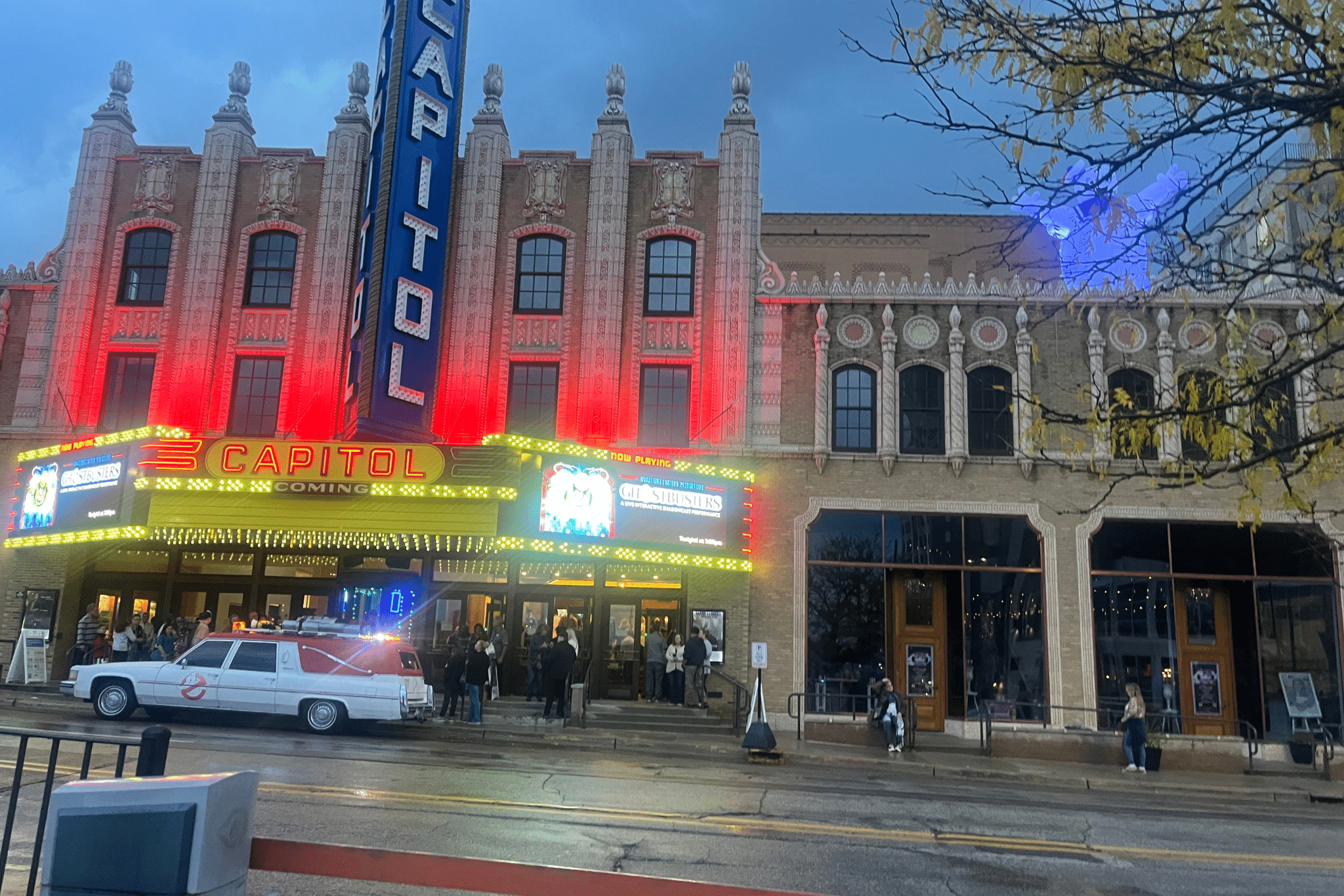
From my perspective, Flint feels like a city constantly caught in the battle to shed the stereotypes and assumptions outsiders have projected onto us for years. Yes, a devastating event changed this city in ways we are still navigating. But that single moment should never overshadow the fact that Flint has always been—and still is—a place of triumph.
Triumphs like being the birthplace of one of the automotive industry’s biggest titans. Triumphs like raising some of the most prolific athletes across generations. Triumphs like becoming a city so saturated in art that people now call Flint a “city of murals,” thanks to local and international artists who have transformed buildings across town into vibrant canvases that celebrate life, love, and creativity.
That’s the Flint that I see today. I hope that by reading and taking in this series, I can encourage you, too, as a reader, to see a city that deserves to be viewed not solely through the lens of what used to be, nor only through the wishful thinking of what might come but through the middle—the now—where you can really see what the city is offering in real time.
I can’t wait to talk with you about the topics, experiences, and community moments that make up Flint, so that I too can take you along to see things through a middle kind of view.
Author

Related Articles
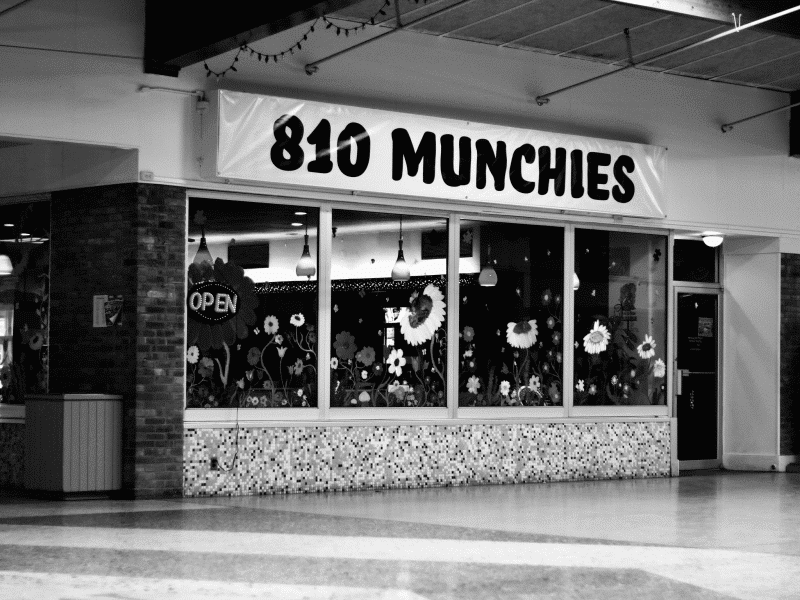
810 Munchies serves up flavor and creativity in Flint’s food scene
810 Munchies is making its mark in Flint with bold flavors, creative dishes, and local roots.

Flint panel to explore transgender representation in film and television through screening of Disclosure
Flint hosts a panel and screening of Disclosure examining transgender representation in media.
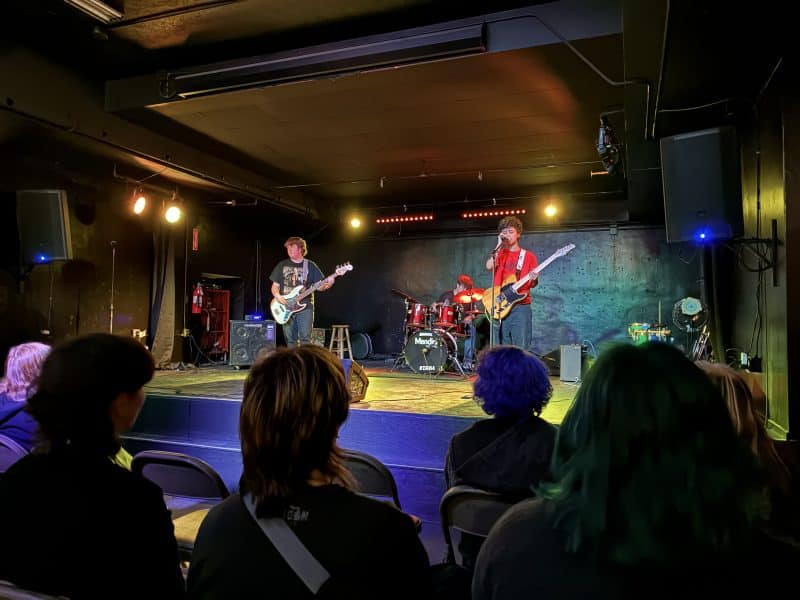
Flint Local 432 launches “Amplify Her” to celebrate women in the arts
Flint Local 432 launches Amplify Her, celebrating women performers, artists, and creatives.


