Millages Explained: What They Are and What’s on Flint’s Nov. 3 Ballot
A breakdown of what are millages and what’s on the Nov. 3 ballot.
FLINT, Michigan — In almost every election, after races for candidates to represent voters in various offices, a section of the ballot is dedicated to millage races.
People often mistake these sections for individual acts of legislation or see ballot items as simply a choice about whether to increase taxes within a voting district. Neither is accurate, and both miss much of the nuance of what a millage actually is.
In this article, we will explore what a millage is and why it matters in our daily lives.
Property taxes
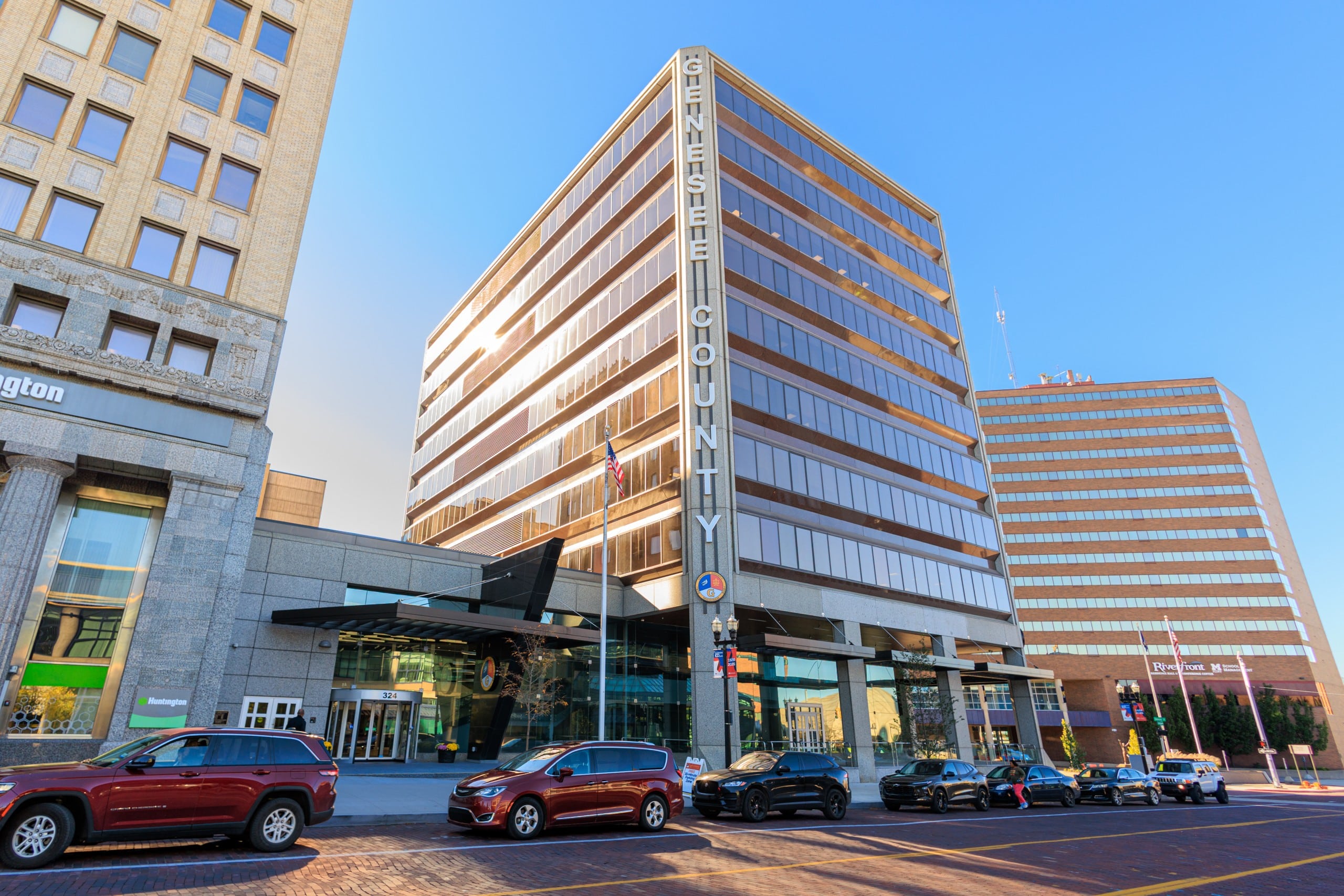
Property taxes are integral to how our local governments function and to understanding millages. In Flint, landowners pay property taxes to both Genesee County and the city. Genesee County alone relies on property taxes to fund 60% of its operations, according to Genesee County’s website.
This includes countywide operations, the health department, and most of the county’s public services. As of 2026, most of the city of Flint’s general fund revenue comes from state revenue sharing and income taxes, with property taxes making up about 10%.
Local governments determine property taxes based on a variety of factors and administer them. Our current property tax system has long been marred by the effects of institutional racism, and the issue has been acknowledged by the federal government only as recently as the Biden-Harris administration.
Despite these shortcomings, property tax collection is supposed to work, in theory, by having a property assessor, representing either the county or the city, inspect what is called a parcel.
A parcel is a legally defined boundary that designates land. You can look up each of Flint’s unique parcels — more than 55,000 throughout the city — on the Flint Property Portal.
In Flint, the county’s inspections and the city’s inspections are not separate. The city shares the data it collects with the county. According to Kim Moors and Mellissa Hayduk, the Genesee County equalization coordinator and director, the internal goal is to assess at least 20% of all parcels in the city each year because of the sheer size and scale of parcels throughout Flint.
For taxation purposes, there is a distinct difference between “assessed value” and “taxable value.” The assessor determines a parcel’s assessed value by inspecting the property. It is calculated through a formula that accounts for the size of the property and the prices of other properties in the area.
Taxable value is the value the government can legally tax a property owner on. Each year, a parcel’s taxable value can increase by no more than the rate of inflation or 5%. If inflation exceeds 5%, the government automatically uses the smaller amount. For a more detailed explanation that cites specific Michigan laws on property tax calculations, this site provides extensive detail.
Mills and millages
A millage is the allocation of property tax funds to particular government initiatives, measured in mills.
A mill is the amount of property tax collected to fund a specific millage: $1 for every $1,000 of taxable value.
Commercial and residential parcels are treated differently, and commercial parcels are typically taxed differently because the property is an investment rather than a living space. Locations such as apartments are treated as commercial parcels.
Millages fluctuate to ensure the services they support remain funded at operational levels. Most millages exist for brief terms and must be renewed regularly, which is why they show up on ballots so often.
The exception is legally established institutions. Some institutions, such as government bodies, have legal limits on how many mills they can collect, and only legislation can change those limits.
Millage rates also change over time. When the taxable value of existing properties grows faster than inflation, Michigan’s Headlee Amendment requires local governments to roll back their rates so that revenue from existing property doesn’t outpace inflation.
That is one reason some rates on the ballot list below aren’t round numbers; for example, the animal care millage was approved in 2020 at 0.1994 mills and is 0.1922 mills on this ballot. Restoring a rolled-back rate, or raising it above what voters previously approved, generally requires a vote.
A great example for understanding millages was on the ballot in this past August’s election. As you may have read in our previous election coverage, voters renewed the Genesee County Arts Education & Cultural Enrichment millage.
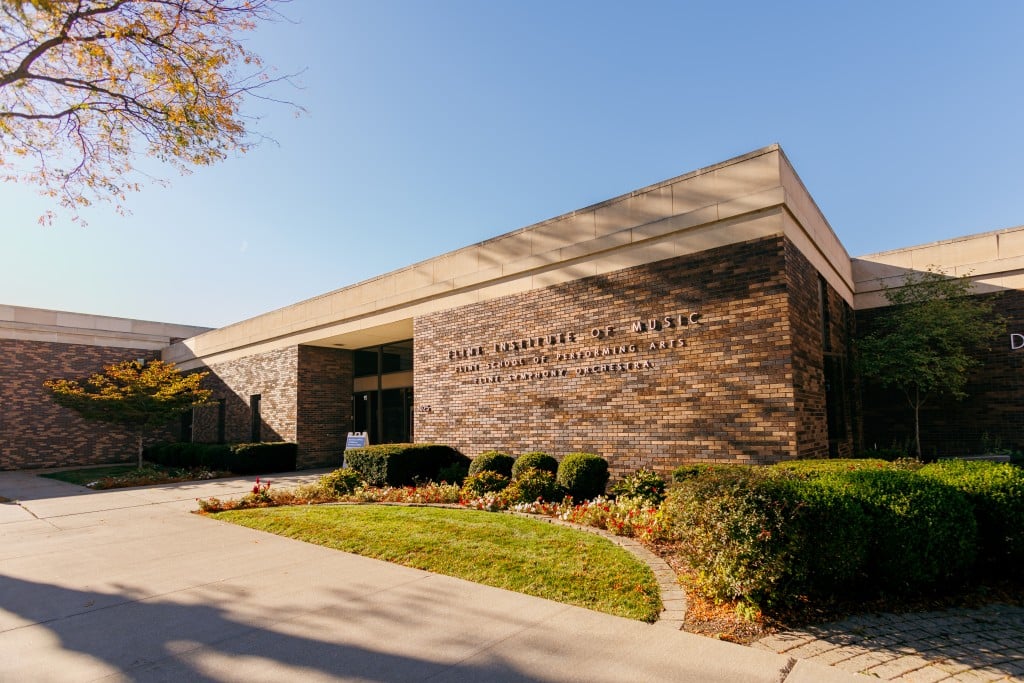
This millage funds Genesee County’s major cultural institutions, including the Flint Institute of Arts (FIA), the Flint Institute of Music (FIM), the Sloan Museum of Discovery, Longway Planetarium, the New McCree Theatre, and Berston Field House. The Greater Flint Arts Council also distributes grants to other arts and cultural organizations around the county.
Previously, the millage was set at 0.96 mills, which cost property owners $96 per $100,000 of taxable value. In the last election, the millage was reduced to 0.93 mills, or $93 per $100,000 of taxable value.
If we extrapolate that number across every property taxpayer in the affected area, we project $12.5 million.
According to the FIA, more than 448,000 people participated in some sort of programming associated with the organization or one of its affiliates. That includes people who pay into the millage directly, as well as visitors who come to Flint to experience its cultural vibrancy.
What’s on the Nov. 3 ballot
As we’ve established, millages are an integral part of our political infrastructure. They fund everything from our local police and fire departments to arts and culture events throughout Flint.
On the upcoming Nov. 3 ballot, the millages up for election will be as follows:
- Genesee County Health Care Services (0.8000 mills)
- The proposal would renew a 0.8000 millage, or $0.80 per $1,000 of taxable value, for five years, from 2027 through 2031, “for the purpose of providing, through the Genesee County Health Department, a health care services delivery system, such as the Genesee Health Plan, for uninsured low-income residents of Genesee County.”
- Genesee County Animal Care Shelter (0.1922 mills)
- The proposal would renew a 0.1922 millage, or about 19 cents per $1,000 of taxable value, for seven years, from 2028 through 2034, “for the purpose of supplementing and supporting operations and modernization” of the Genesee County Animal Care Shelter.
- Flint Public Transportation Services (0.60 mills)
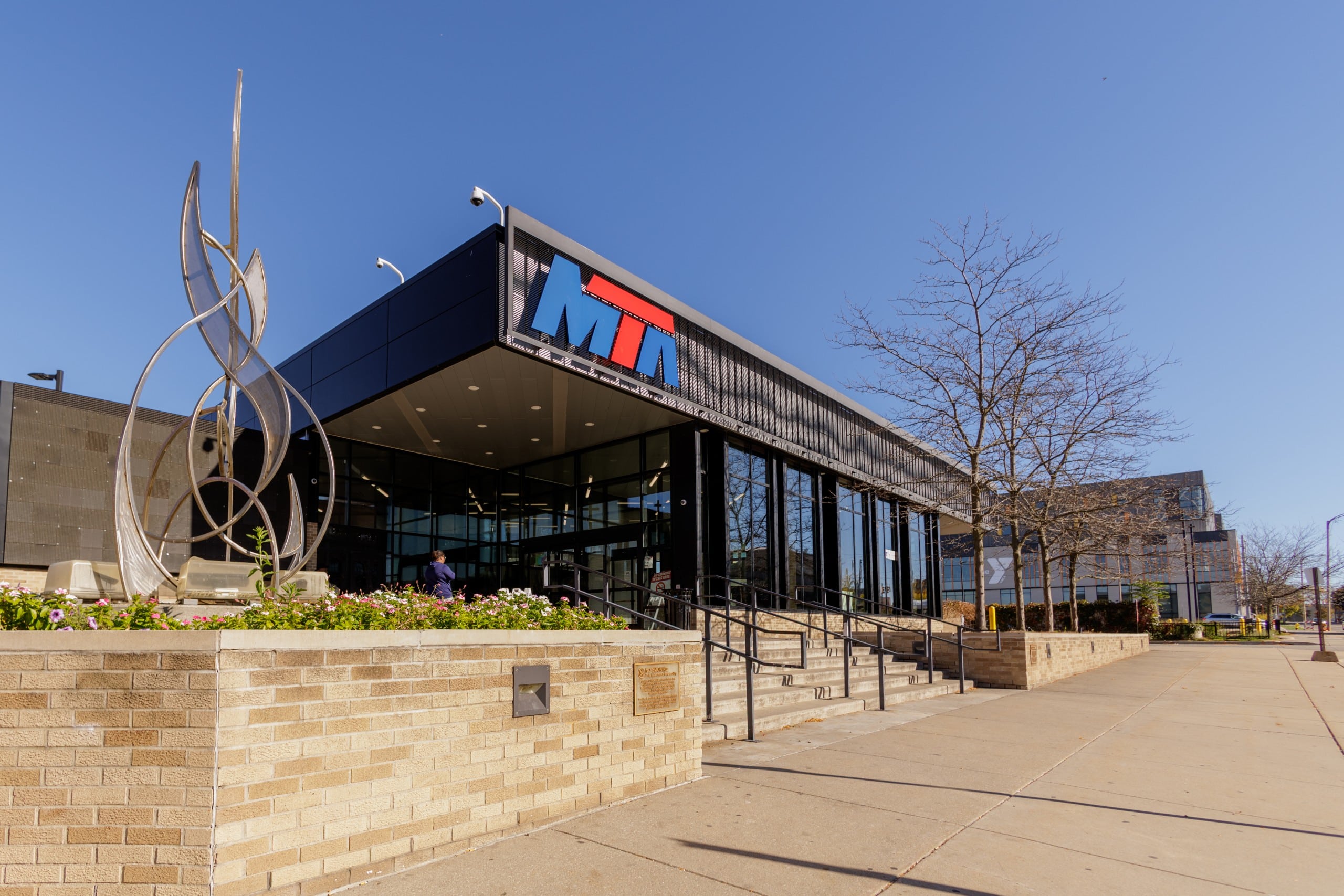
- Funds public transportation services in the city of Flint provided by the Flint Mass Transportation Authority (MTA).
- Flint Police and Fire Renewal (6.00 mills)
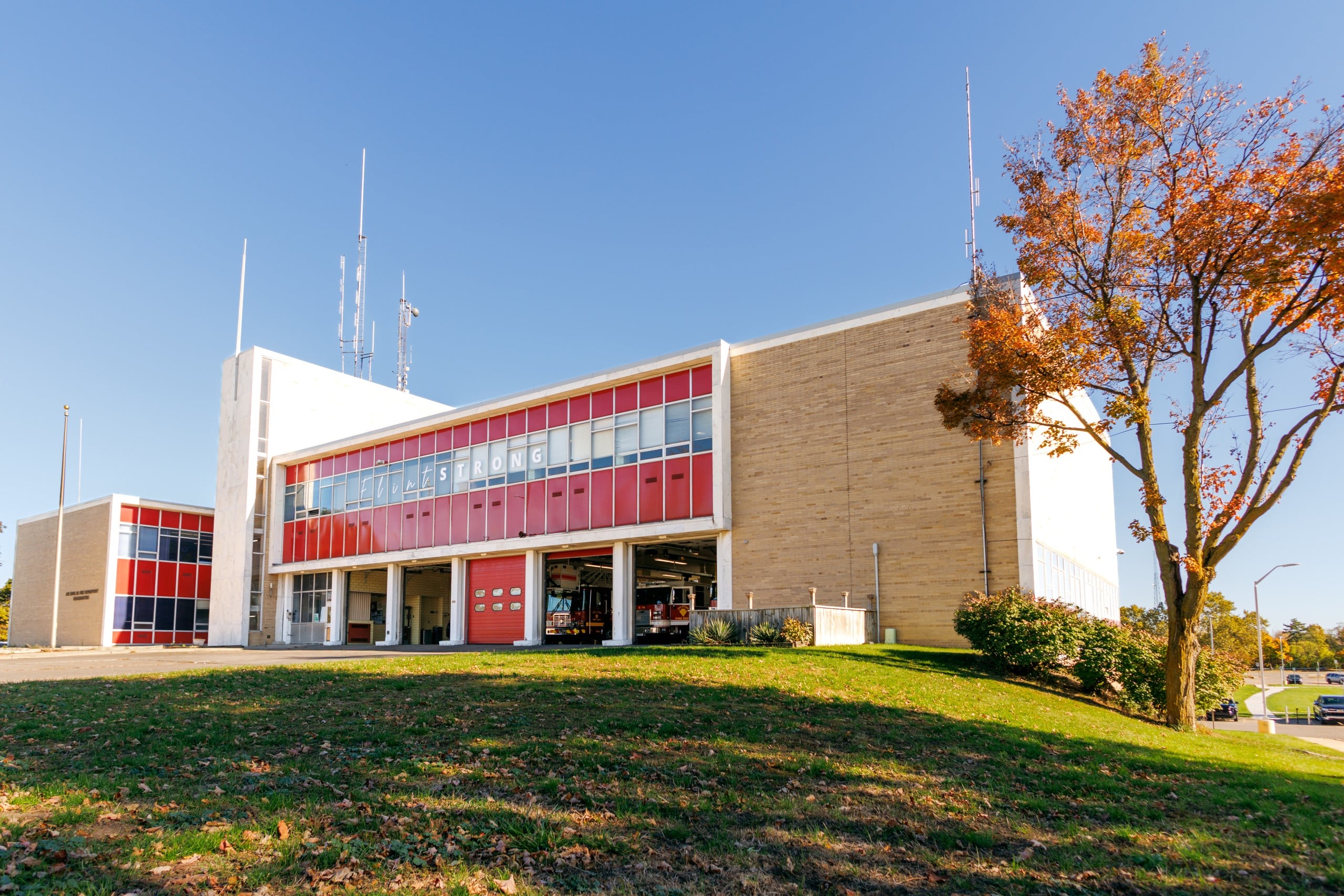
- Funds the police and fire departments.
- Flint Parks and Forestry (0.50 mills)
- Includes all parks funding for maintenance and operations, as well as funding for the Crim Fitness Foundation and its programs that use the parks.
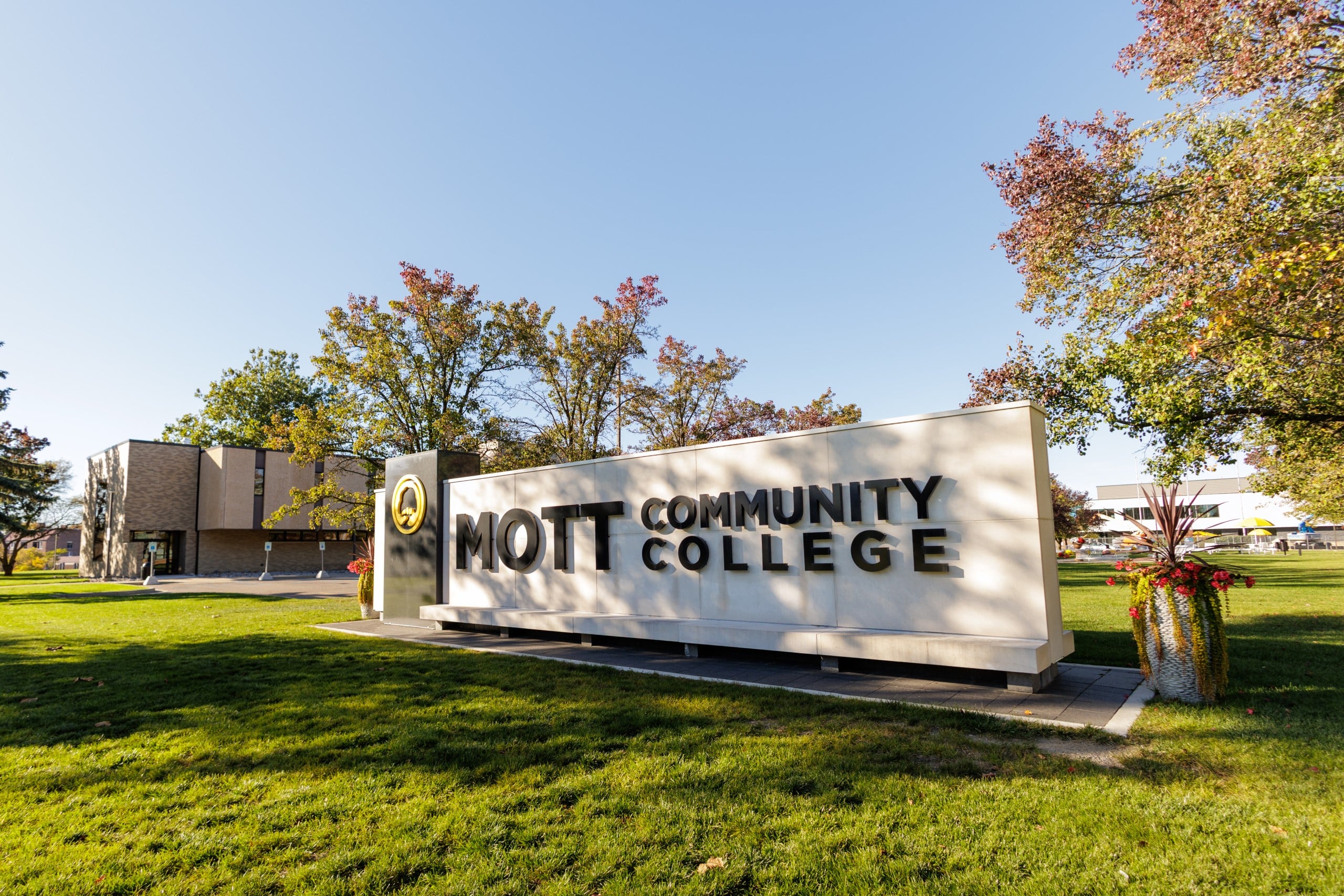
- Mott Community College (0.6152 mills)
- Renews Mott Community College’s voter-approved operating millage, last approved in 2016. According to the college, the renewal is not a tax increase, and the millage funds about 9% of its annual operating budget.
What you can do about millages
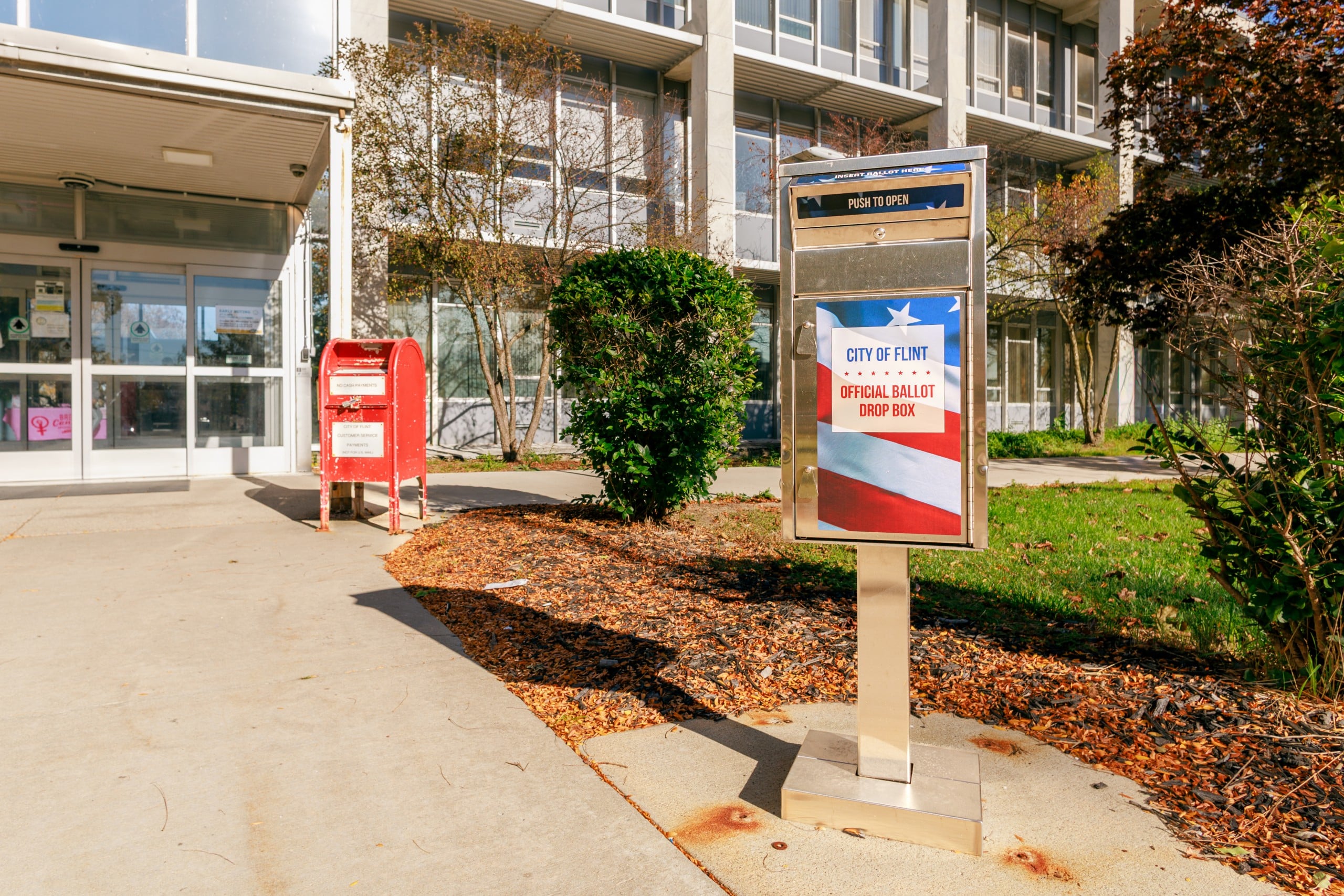
According to the Genesee County website, only 28% of registered voters voted in the August primary. The most important part of an election is participation. The Oct. 19 deadline to register online or by mail has passed, but eligible voters can still register in person at their city or township clerk’s office through Election Day on Nov. 3.
For more information on how to register and what’s on the ballot, visit our article here.
Author
Related Articles
Flint Voter Guide 2026: What’s on the Nov. 3 Ballot
Mayor, council, state races, and millages: what Flint voters will see on the Nov. 3 ballot.
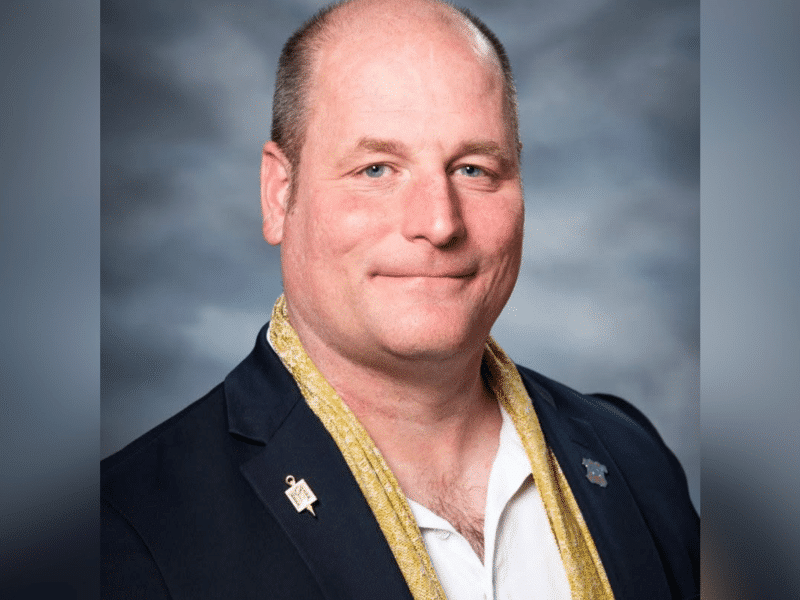
Meet the Candidates: Mott Community College Board of Trustees — Andrew Watchorn
Andrew Watchorn is one of eight candidates vying for two open seats on Mott Community College Board of Trustees.
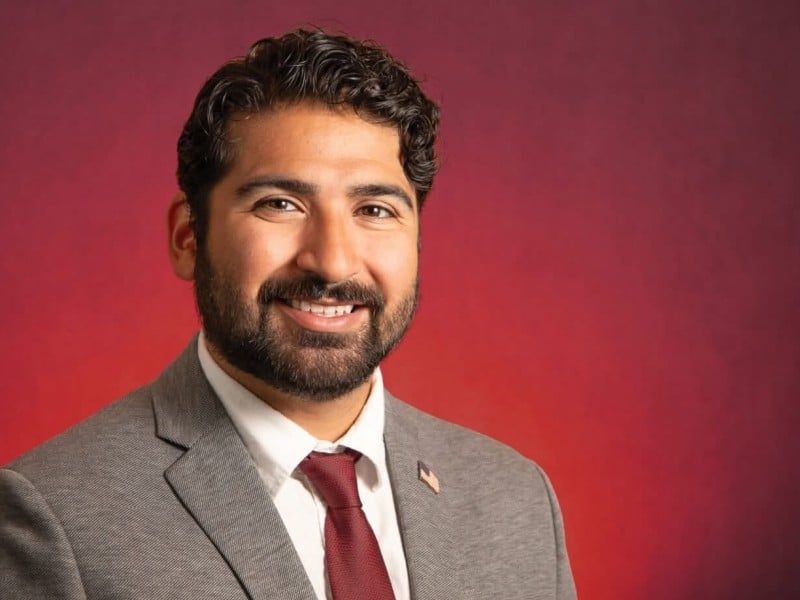
Meet the Candidates: Mott Community College Board of Trustees — Santino Guerra
Santino Guerra is one of eight candidates vying for two open seats on Mott Community College Board of Trustees.