
‘This is home’: Why these longtime residents stayed in North Flint
Three Flint residents reflect on what makes their homes unique and what has kept them in North Flint for generations.


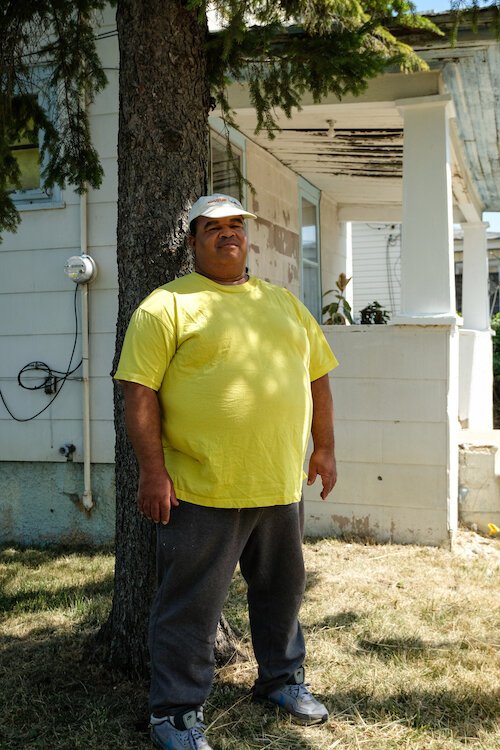

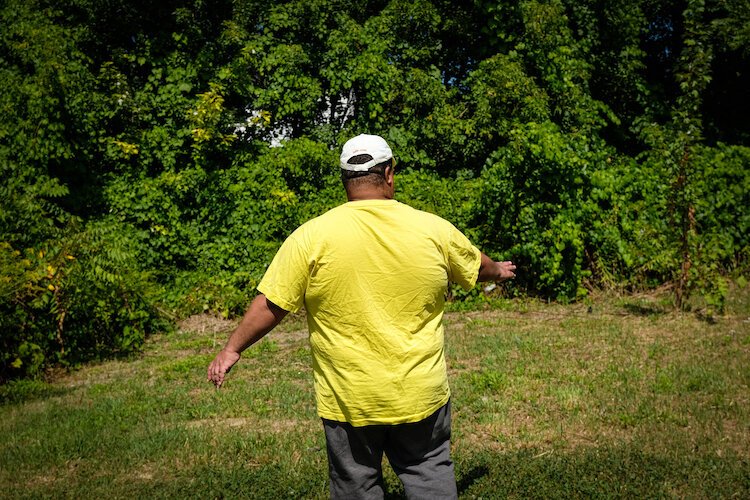
FLINT, Michigan — Flint is often characterized by the resiliency of its residents. Despite the general wave of uncertainty that lingers amidst the recovery from the water crisis and during the COVID-19 pandemic, it is still very much home, especially to Flintstones who never left.
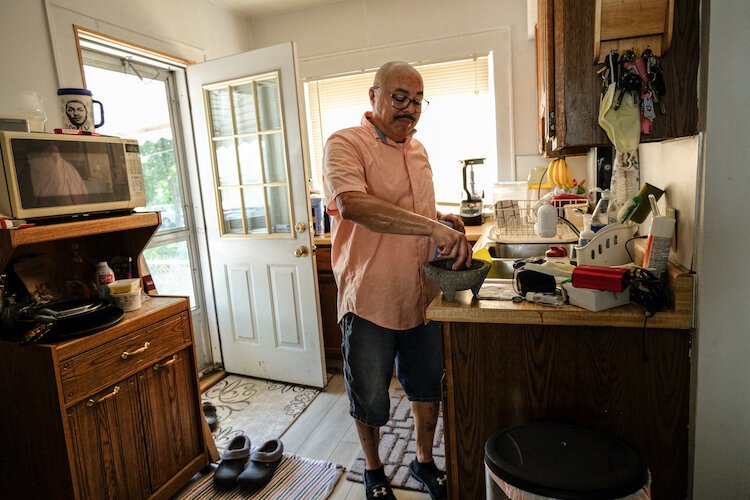
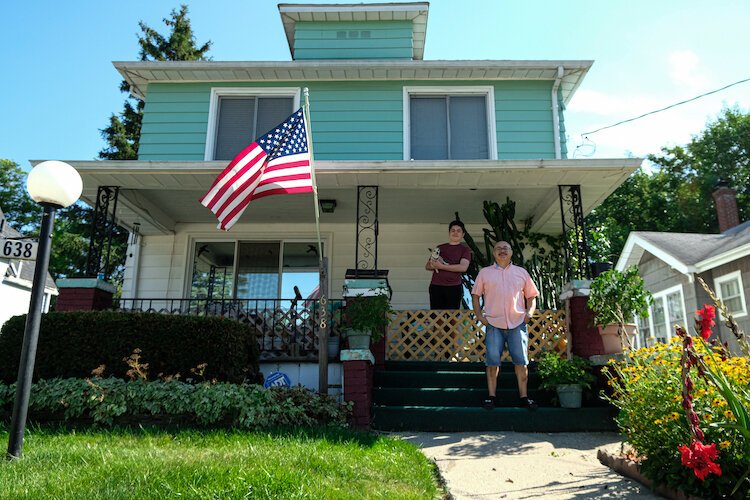
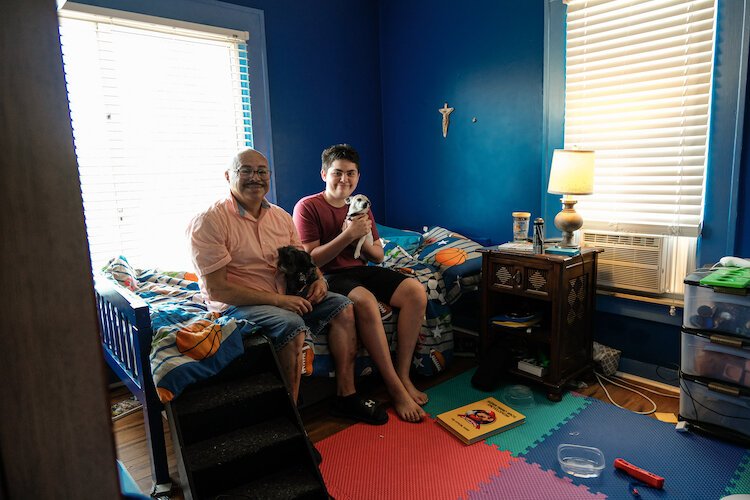
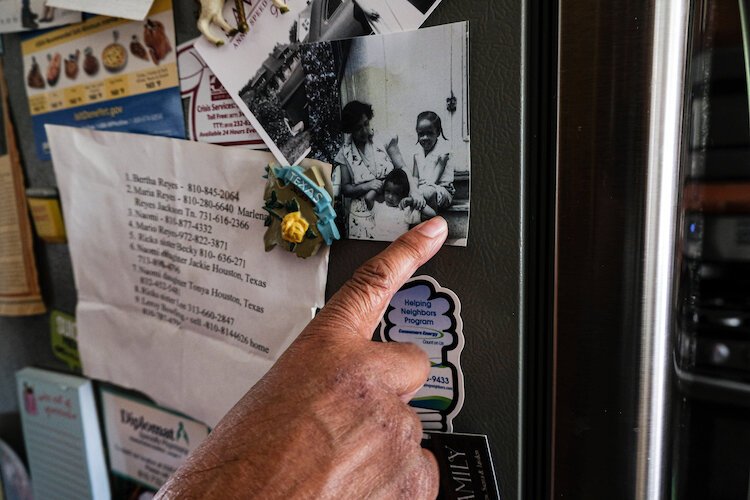
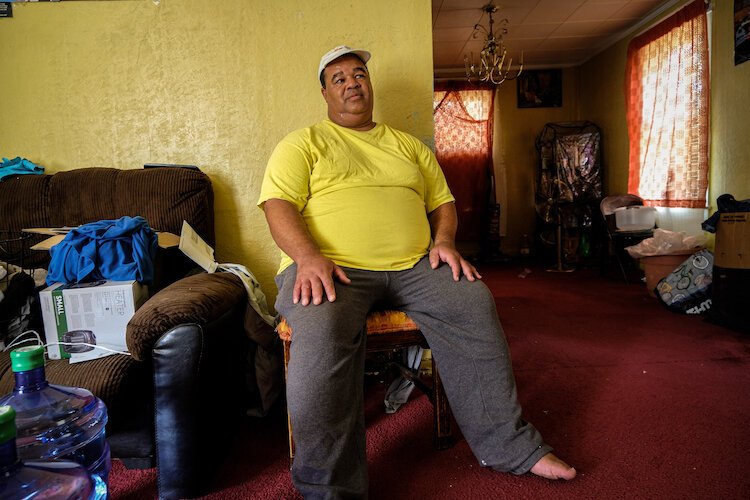
“It’s been challenging seeing the neighborhood change. You know, the neighborhood changed from when I was a kid—the different families that came and went,” said Ricky Reyes, 61. Reyes is raising his grandson Enrique Reyes, 13, in the house that raised him.
Reyes is one of many older Flint residents in this North Flint neighborhood that have chosen to take on the ongoing legacy of living and maintaining the homes that belonged to their parents. For them, continuing to care only provides greater reasons to stay.
Ricky Reyes

Since buying the house on East Bishop Avenue in 1984, Reyes has made some changes through the years, including a new roof and a facelift to the kitchen and dining room. Since his grandson is asthmatic, the old carpet has been removed. Reyes’ childhood bedroom now belongs to Enrique, who attends online school.
Reyes said his family was the first minority household to settle on the street in the early 1960s, during a time when the neighborhood was populated with older white folks. His parents were just “simple Mexican people” who raised their children to respect everyone, no matter what. Reyes carries this philosophy with his neighbors to this day, always willing to cut grass or do a favor for someone unable to do it for themselves.
Raised alongside his four other siblings, Reyes can remember when the television rang out with the sounds of “The Ed Sullivan Show,” “Sanford and Son,” and “Soul Train” and when you could swim at Berston Field House in the summer for 50 cents. You could spend the whole day unattended, maybe even ride your bike from Pierson all the way to Jennings Road or down Linden to Pasadena with no fear of danger, he remembers. For the times when crime broke out, there was a chance the Flint PD helicopter would come watching from above. Over time the neighborhood kept a rougher crowd, especially during the 1980s, said Reyes. But now, his street is relatively peaceful.
“And now seeing everything is pretty much stabilized and I know all my neighbors, there’s a few renters I don’t know but all the longtime neighbors I know,” said Reyes. On his block alone, there are seven homeowners with a majority of the properties empty lots belonging to the Land Bank or rental properties. “The longtime residents work really well with the landlords on making sure we keep a good crowd of people that just want to take care of their property and get to know each other.”
Raynetta Speed
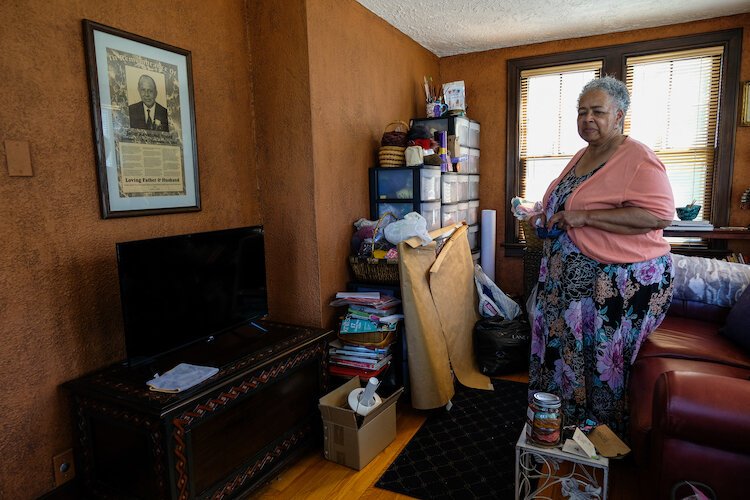
Longtime residents include those like Raynetta Speed, who Reyes has known since his early childhood when he would visit for her mother’s home-cooked meals just a couple houses away.
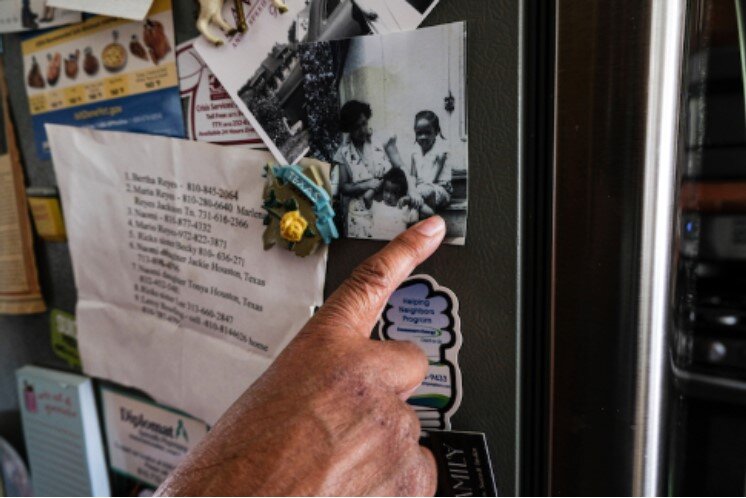
“I just can’t imagine living somewhere and not having a relationship with the people that live in your neighborhood,” said Speed, 69.
Today, Speed lives with her oldest daughter. It’s a point of comfort to some of her siblings who were reluctant to have Raynetta—the oldest of five siblings— living in a north Flint home alone. But she was never worried, Speed said, and they appreciate it when they come to visit. With her nickname “The General,” she sees herself not only the keeper of nostalgia but a neighborly keeper of her street, a legacy lived out by her father up until his passing in 1993.
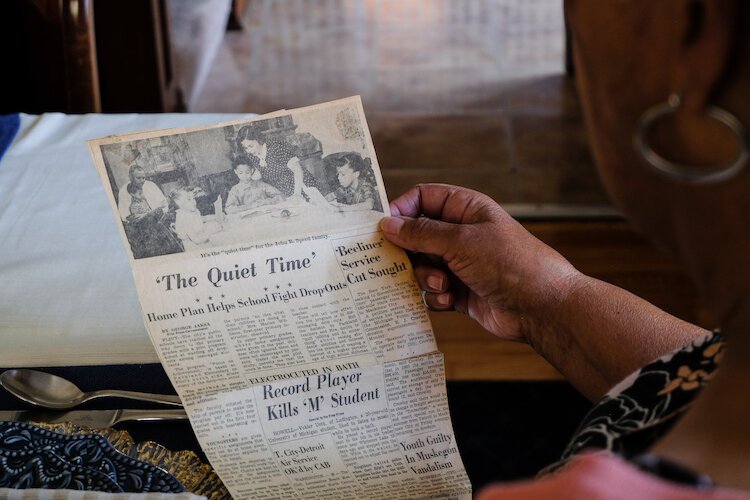
“My parents were the first Blacks to buy in this neighborhood,” said Speed. “When I went to high school, I met people that lived in other neighborhoods nearby. Prior to that—elementary school—in this neighborhood, all my friends didn’t look like me.”

The Speeds acquired their home in 1963, when it was generally challenging for Black people to buy homes on that portion of Saginaw Street, said Speed. But John R. Speed, Raynetta’s father, was a determined man. He was an entrepreneur, as one of few electrical and general contractors in the area, as well as an owner and builder of several properties.
In 1966 he bought a restaurant called the Dairy Aisle that sat kitty corner from the Speed home. Raynetta began working there when she was 15 years old through the time her father purchased it as Speed’s Dairy and Grill with her mother managing the restaurant. Raynetta speculates that Speed’s Dairy and Grill employed close to 400 youth in the city, including her own children and friends. Her father was a staple presence and well-known to many.
Alan Jennings
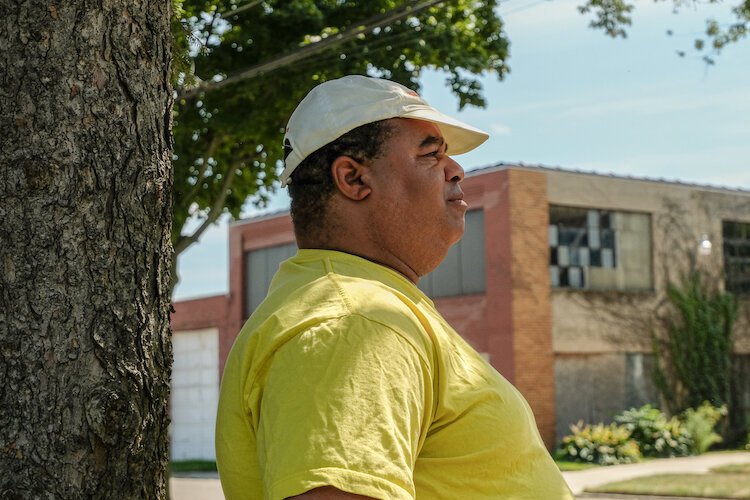
Alan Jennings has lived across the street from the Speeds since he was a child. His mother, along with her six children, came up from Alabama and bought the house in the 1970s, said Jennings, a bit later in arrival than the other families he
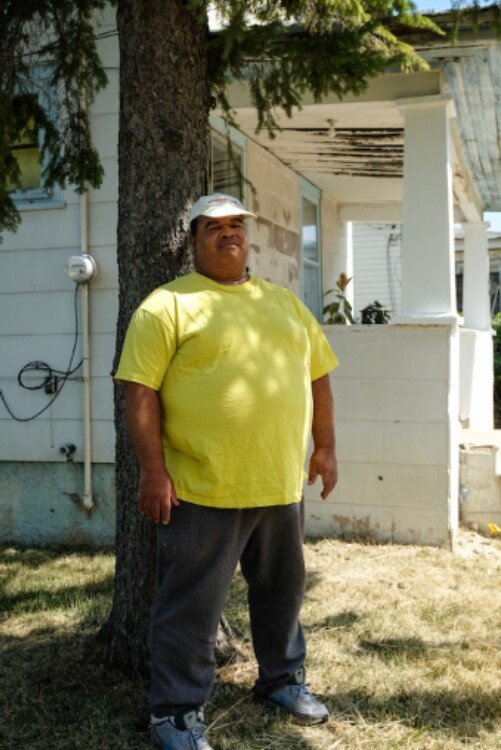
got to know. He can remember the houses his family lived in for short stints—rentals and homes that no longer exist—but the house on East Bishop Avenue is the “last frontier.” It is the final say of it all.
“I just stay here to get this house fixed up, keep it going, keep it in the family,” said Jennings. He has thoughts every now and again of leaving the house behind for the South—his original birthplace, but his bond to the place is stronger than the desire to leave. “…this is home. This…will be home. I mean, I grew up in the neighborhood …”
At first look the house is silent with sagging in the roof from time, but for Jennings it contains vibrant memories that come to mind often. Christmases, barbecues, and sibling shenanigans. It was a full house, remembers Jennings, although over time his other siblings moved away. It’s only in recent years that one of his sisters has moved back to the area. In the meantime, Jennings stayed caring for the house, adorning it with flowers and a garden up until 2016 when his mother died of liver cancer. As Speed attests, Jennings has an artist’s eye for beauty despite the changes grief has brought.
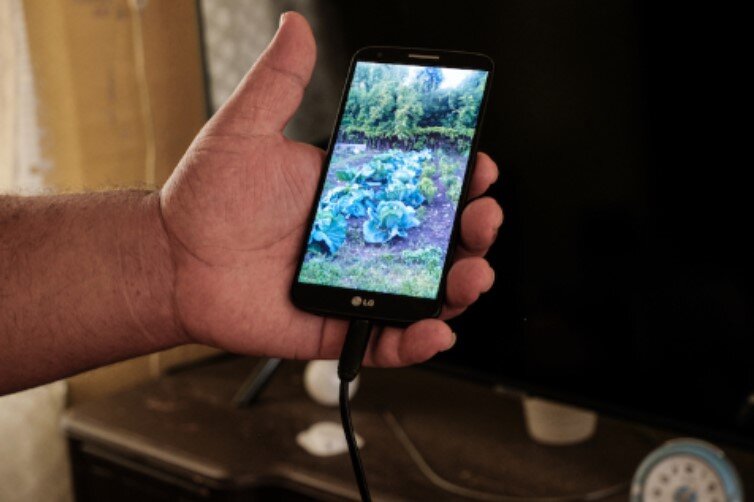
“After she passed away, I just didn’t go back [into gardening]. I want to go back into it, but…you don’t get over a family [member’s] death that quick. It takes time,” said Jennings.
These days, Jennings looks forward to a good walk through the neighborhood and the opportunity winter brings to return to the South, a place he says that will always have his heart and imagination. Every now and again, he tries his hand at small housekeeping projects like painting the porch, but he doesn’t try to rush progress.
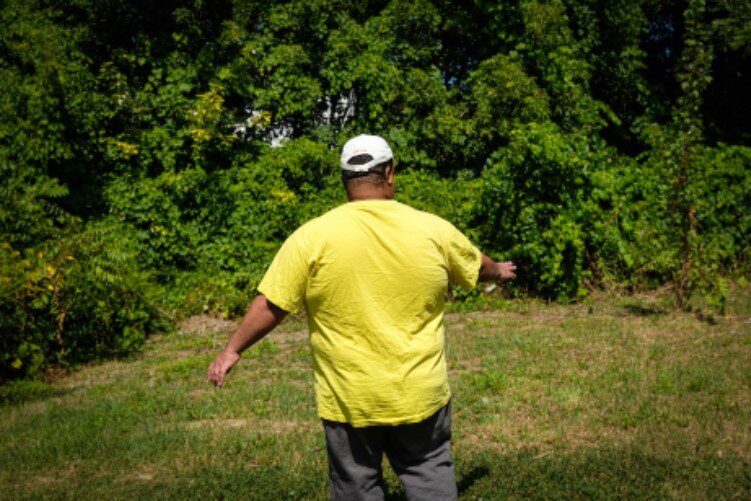
“When you want to do something real nice, you can’t rush beauty. You just have to take your time and work on it,” said Jennings. He hopes to nurture a new garden next year.
Author

Related Articles

A Middle Kind of View: What Happened to Our Relationship With Libraries?
One child’s love of books sparks reflection on reading habits and our relationship with libraries.
First, they came for independent journalists
Flint native, author, and former journalist, Bob Campbell, explains why the media should stand in defense of their own and the 1st Amendment.
A Middle Kind of View: Michigan Winter Roads
In the latest, A Middle Kind of View, Amina reflects on the harsh conditions and turbulent times of living through Michigan winters.