
PreK for All expands early learning access for Flint families
Michigan’s PreK for All expansion has given Genesee County families access to high-quality preschool education.
FLINT, Michigan — Access to high-quality preschool in Flint has long been shaped by availability, work schedules, transportation, and cost. Michigan’s PreK for All expansion is beginning to shift that reality, increasing enrollment, stabilizing early learning experiences, and giving families more consistent options before kindergarten.
State and local leaders say the impact in Flint and Genesee County is already measurable.
“It’s been really beneficial for the Genesee County and Flint area,” says Dr. Sophia Lafayette-Lause, Division Director of Early Learning and Family Support at Michigan Department of Lifelong Education, Advancement, and Potential (MiLEAP). “Genesee has seen growth in the number of children they’ve served through the expansion of PreK for All, including a significant increase in a short amount of time.”
Last year, Genesee County served about 2,190 children through state-funded preschool. By early December of this school year, enrollment had already reached 2,188 children, nearly matching the previous year’s total with months still remaining, she says. Historically, enrollment continues to rise through the winter as families enroll midyear.
“That continued growth is really exciting,” Lafayette-Lause says.
Beyond enrollment numbers, PreK for All is proud to be changing how preschool works for families. According to Dr. Lafayette-Lause, that shift has significantly increased access while easing financial pressure on families. She says the county has added more five-day programs as part of the PreK for All expansion, allowing families to place their children in high-quality preschool five days a week and save approximately $14,000 per year in child care costs compared to private care options.
At the local level, that consistency is making a difference in children’s daily experiences, says Jodi Ramos, Director of Early Childhood Programs at Genesee Intermediate School District. Before PreK for All, many children split their week across multiple settings, Ramos says, resulting in unpredictable routines and stressful mornings.
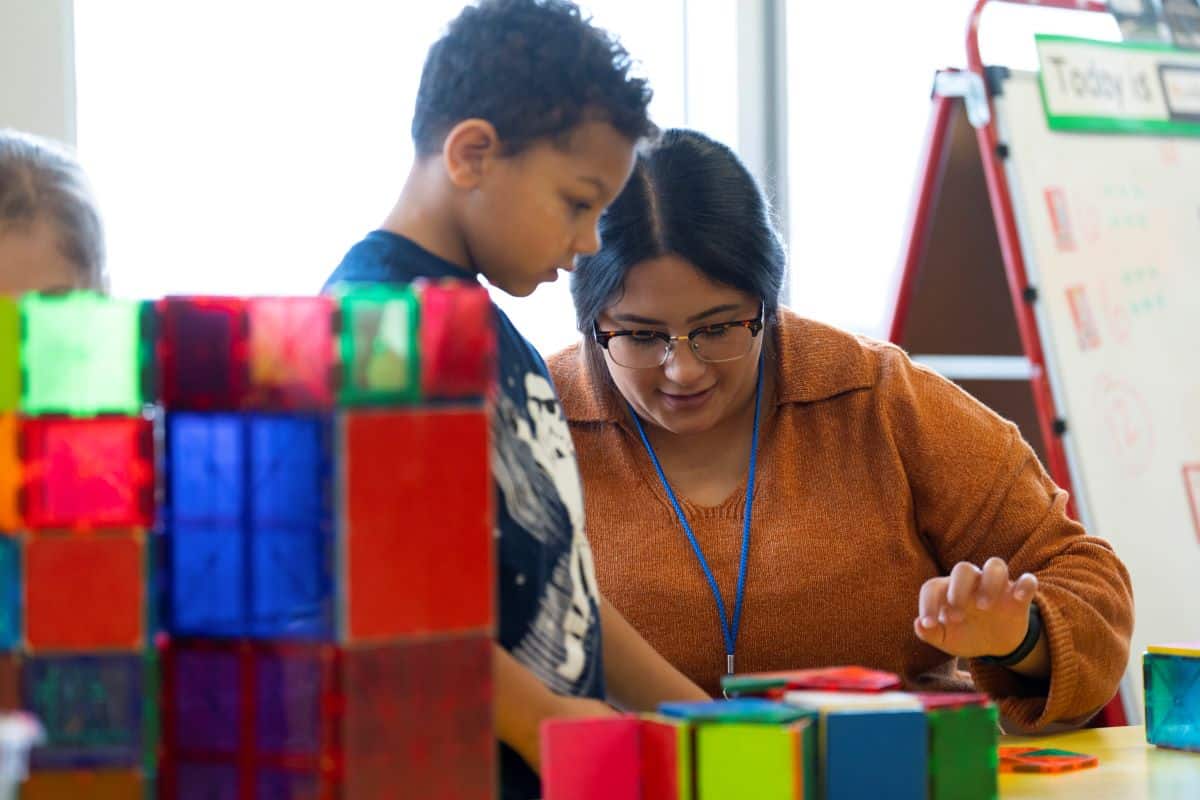
“Every morning looked different with different teachers and different routines, and many children arrived anxious and upset,” she says. Once those same children enrolled in PreK for All five days a week in one classroom, the change was immediate. “Drop-offs became calmer, children built strong relationships with their teacher and classmates, and families shared that mornings were no longer a struggle,” Ramos says. “That consistency helped children feel safe, confident, and ready to learn.”
According to Ramos, as access grows, maintaining quality remains central to the program’s expansion.
Genesee County currently supports classrooms through 14 early childhood specialists who coach teachers and reinforce developmentally appropriate practice, Dr. Lafayette-Lause says. At the same time, the state has invested heavily in supporting providers’ responsible growth.
Through PreK for All startup grants, Genesee County has received funding for 35 classrooms over the last two years, supporting both new classrooms and expansions within existing programs. Those grants range up to $170,000 per classroom, helping providers increase capacity without pulling resources from day-to-day operations, she says.
Ramos adds that providers are supported through data-driven professional development, direct communication with the county’s Great Start Readiness Program coordinator, advisory participation, and regular updates as the system evolves.
“Quality care and learning is always a priority,” she says.
Flint’s long-standing barriers, such as transportation gaps and workforce shortages, remain part of the conversation as PreK for All expands.
To address access challenges, Michigan has invested about $18 million statewide in transportation supports, Dr. Lafayette-Lause says. Genesee County alone has increased its transportation funding by more than $200,000, bringing its total to about $400,000 to help children get to and from preschool. New flexibility now allows for parent transportation reimbursement, an option that did not previously exist.
Workforce shortages also remain a concern. To support educator recruitment and retention, the state recently launched a $16 million early childhood wage initiative, with monthly stipends administered locally through regional childcare coalitions. In Genesee County, that initiative is coordinated through the Child Care Network, ensuring Flint-area educators benefit directly, Dr. Lafayette-Lause says.
Governor Gretchen Whitmer has set a statewide goal of reaching 75 percent of Michigan’s four-year-olds in state-funded preschool by 2027. In Genesee County, that would mean serving just under 4,000 children.
“The progress that’s been made toward that is really exciting,” Dr. Lafayette-Lause explains, pointing to continued enrollment growth and expanded classroom capacity. Research consistently shows that early learning is linked to stronger literacy, higher graduation rates, and long-term economic outcomes, she adds.
Ramos agrees. “That is exactly what PreK for All is designed to do.”
Author

Related Articles
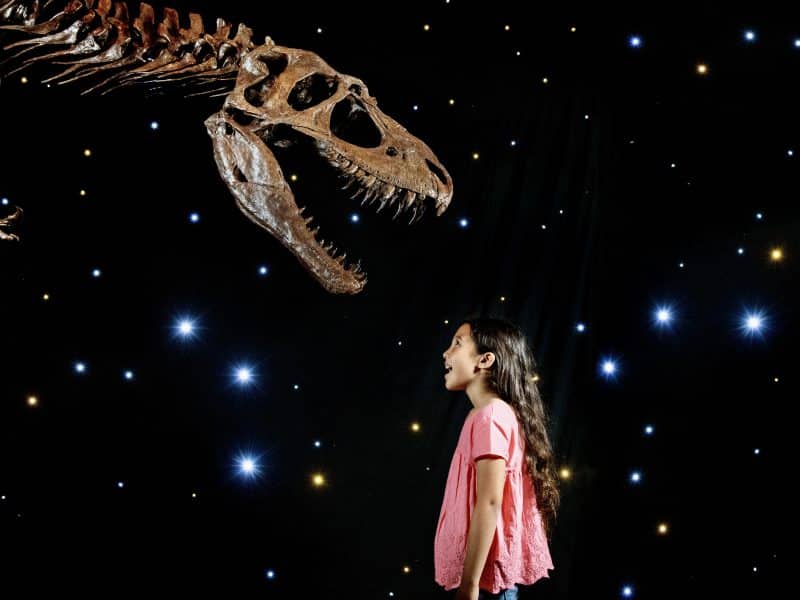
Dinosaurs Take Over the Flint Cultural Center This January
Beginning January 20, ICE DINOSAURS: The Lost World of the Alaskan Arctic opens at Sloan Museum of Discovery.

How one school system bridges the care gap with innovative Health Hubs
Detroit’s Health Hubs embed medical, behavioral, and dental care inside schools, ensuring students receive essential services and thrive in class.
GISD Hosts Ideation Crash Course to Power Youth Entrepreneurship Across Genesee County
High school students across Genesee County will soon gather for a half-day of high-energy creativity, problem-solving, and business building.


