
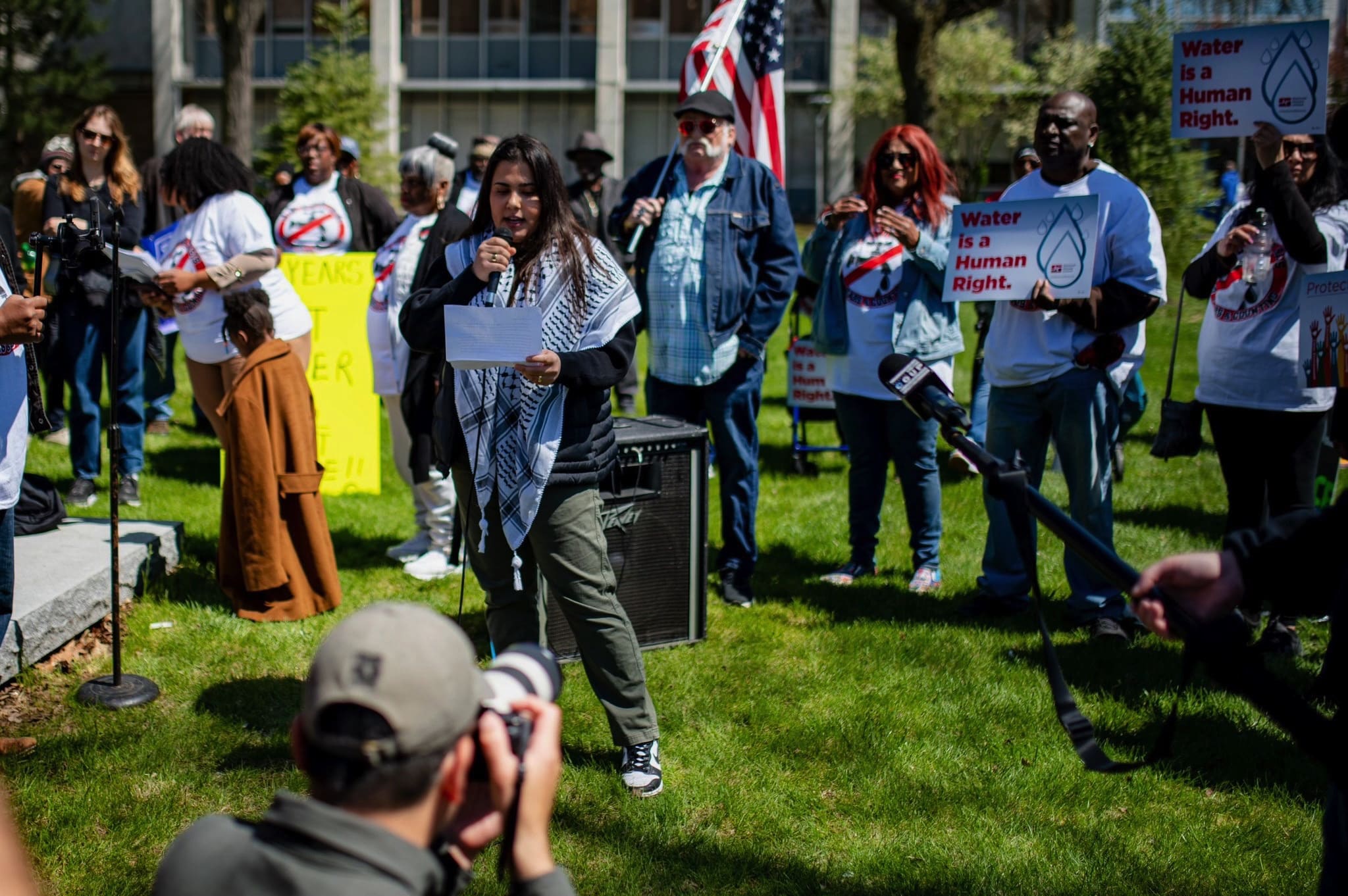
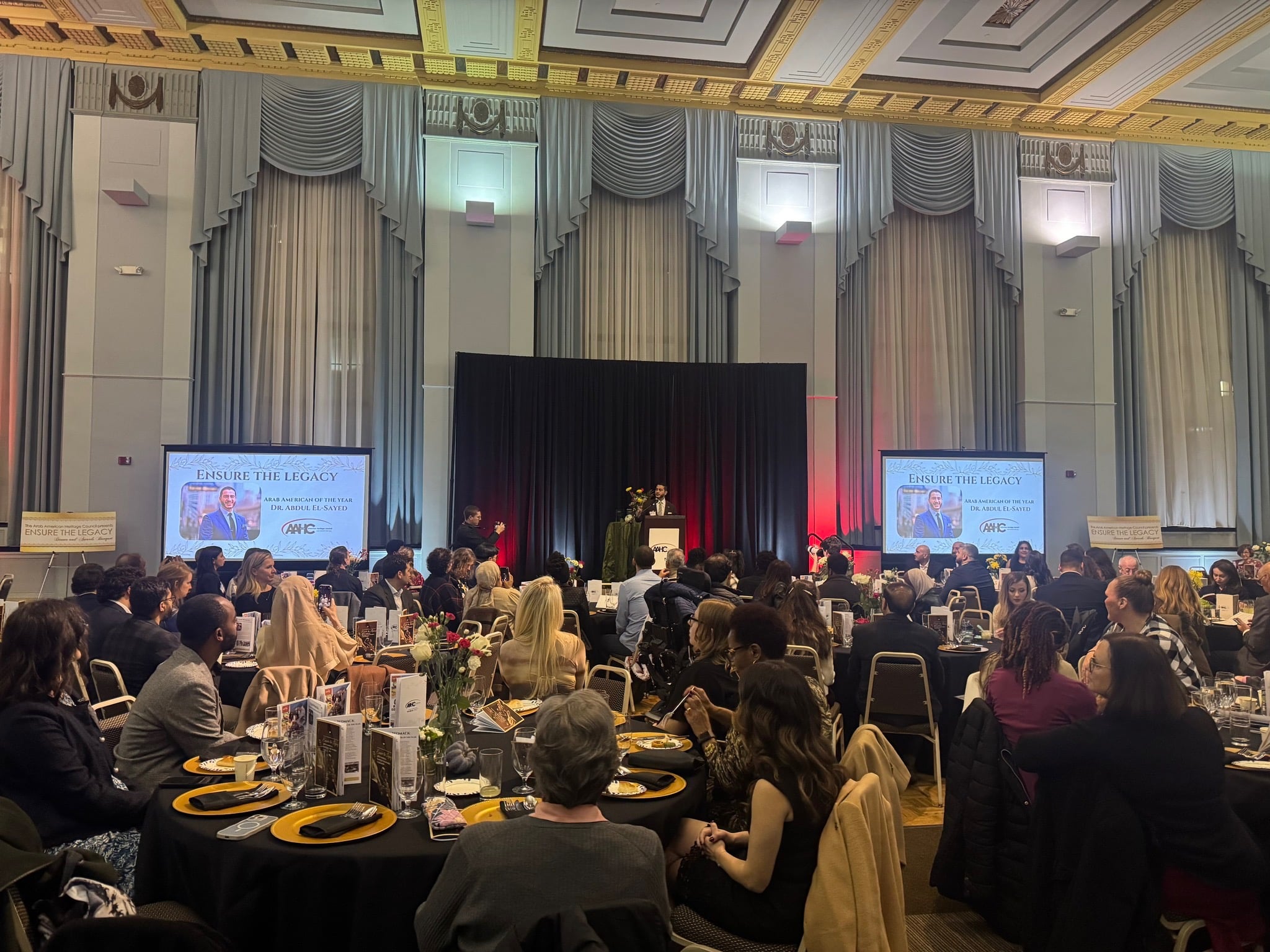
FLINT, Michigan — For more than four decades, the Arab American Heritage Council (AAHC) has served as a cultural anchor and advocacy hub for Arab, Middle Eastern, and North African (MENA) communities in Flint and across Genesee County. From its earliest days, AAHC has centered cultural identity and belonging as foundational to community well-being.
Founded in 1980 by Arab Americans who saw the need for a local institution to preserve their heritage and protect their rights, the organization has grown into a multifaceted nonprofit working at the intersection of culture, immigration support, youth leadership, and community collaboration.
Lucine Jarrah, the Council’s Executive Director, has said that their work has always reflected a commitment to both preservation and advocacy—whether through educational programming, cultural events, or storytelling initiatives that elevate voices often excluded from the historical record.
“They are active leaders, organizers, and decision makers shaping our mission today.”
One of AAHC’s most enduring contributions to Flint has been its role in documenting Arab American history. Jarrah notes that while Arab and MENA communities have long contributed to the city’s labor force, economic development, advocacy movements, and cultural life, their stories have frequently been overlooked or erased.
“Documenting and preserving our stories is essential to Flint’s wider history,” she said, emphasizing that these narratives are not peripheral but integral to understanding the city’s growth and resilience.
For decades, AAHC has prioritized oral history and archival work that allows community members to tell their own stories. That commitment continues today through digital initiatives like the Wujud Podcast, which revives and expands the Council’s oral history efforts by capturing stories from Arab and MENA communities in Flint, across Genesee County, and throughout Michigan.
The organization has also partnered with institutions such as the Sloan Museum of Discovery to ensure these histories are preserved and publicly shared through future exhibitions and educational programming, extending their reach beyond the community itself.
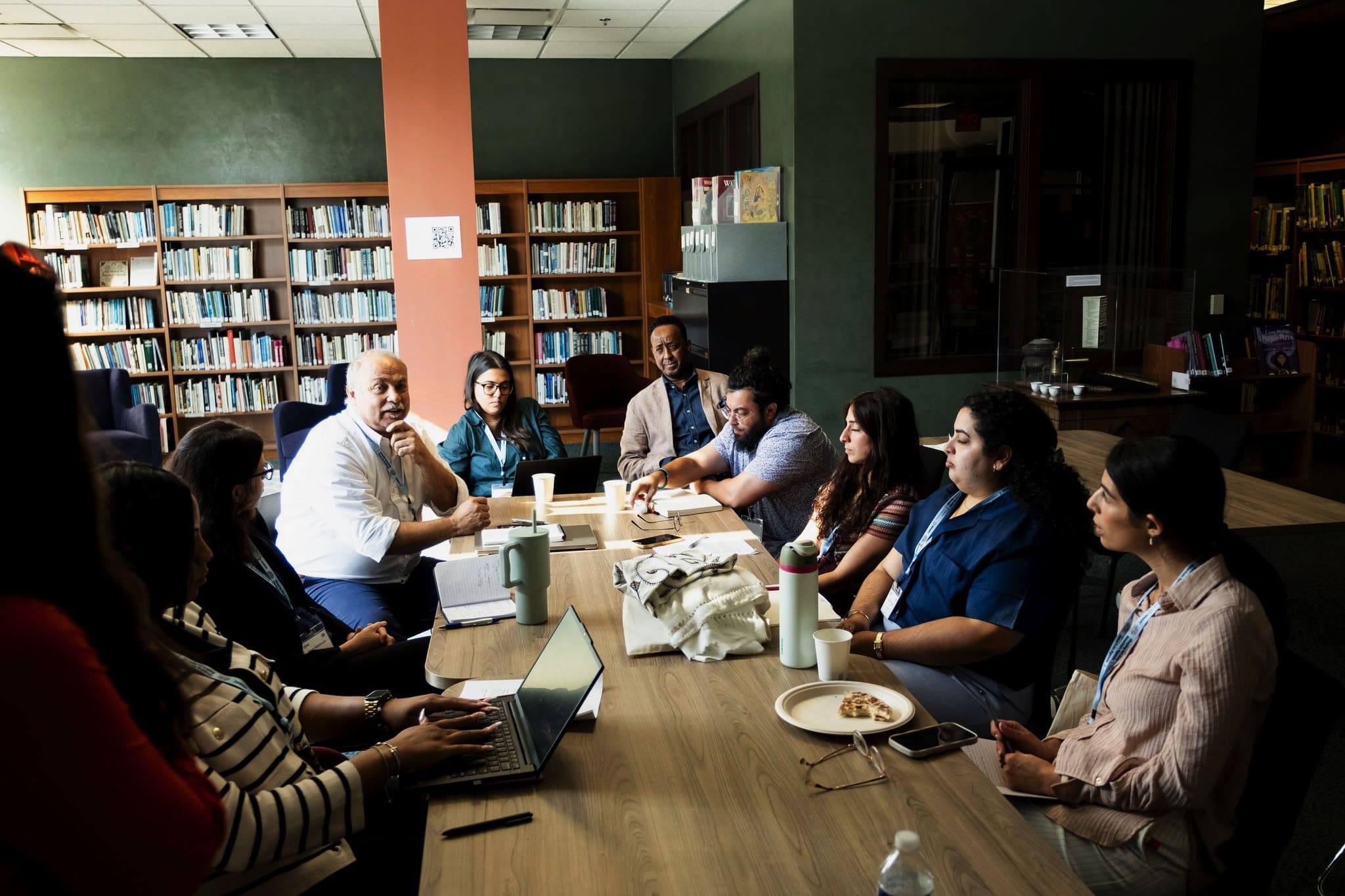
While AAHC’s cultural work is highly visible, much of its impact happens quietly through immigration and language services. Jarrah describes the organization’s immigration program as one built on trust, dignity, and empowerment, far beyond paperwork alone.
“For years, our immigration and language program has not just been about filing applications or completing translations,” she said. “It has been about showing up for the community in ways that build trust, demand dignity, and make people feel seen, supported, and empowered.”
As the only Department of Justice–accredited immigration program in Genesee County, AAHC often serves families navigating confusing, intimidating, and dehumanizing systems. The organization helps individuals understand their legal options, connect to resources, and confront policies that deny immigrant communities justice. For many families, AAHC becomes a first and trusted point of contact during moments of uncertainty and fear.
Collaboration has always been central to AAHC’s approach. Jarrah explains that the organization intentionally works to break down silos that have historically separated communities and limited collective capacity in the Flint area.
Over the years, AAHC has built strong partnerships with nonprofits, cultural institutions, health organizations, schools, social service agencies, and grassroots groups. These collaborations range from preserving oral histories with museums to hosting cultural events like the MENA Artist Showcase in partnership with Comma Bookstore, creating shared spaces for learning, connection, and solidarity.
AAHC is also a key partner in the Flint Alliance for Immigrant Rights (FAIR), a coalition formed in response to rapid policy changes, widespread misinformation, and growing threats facing immigrant communities. Through FAIR, AAHC contributes capacity toward Know Your Rights education, rapid response coordination, and broader immigrant justice efforts across Genesee County and beyond.
“Documenting and preserving our stories is essential to Flint’s wider history.”
Unlike many organizations that treat youth engagement as a future goal, AAHC places young people at the center of its work today. Jarrah emphasized that youth are not viewed as “future leaders,” but as current decision-makers shaping the organization’s mission and direction.
Through leadership committees, civic engagement initiatives, and programs such as the Teen Grantmaking Initiative, young people bring innovative thinking, passion, and an unyielding commitment to change. “They are active leaders, organizers, and decision makers shaping our mission today,” Jarrah said, adding that their involvement reinforces confidence in the organization’s future.
As AAHC looks forward, it continues to expand its arts, advocacy, and immigration programming to invite broader community involvement. That includes future episodes of the Wujud Podcast, expanded exhibitions, continued cultural showcases, and sustained advocacy through coalitions like FAIR.
Jarrah emphasized that the organization remains open to collaboration in all forms. Whether residents want to attend an event, volunteer, partner, or learn more, AAHC aims to remain a welcoming and accessible space.
“There will always be a place for them in this work,” she said.
To learn more about the Arab American Heritage Council, you can visit their website.
Author

Related Articles

In Pictures: Downtown Flint
Photographer Ryan Hobson journey’s to downtown Flint to capture one of the heartbeats of the city.
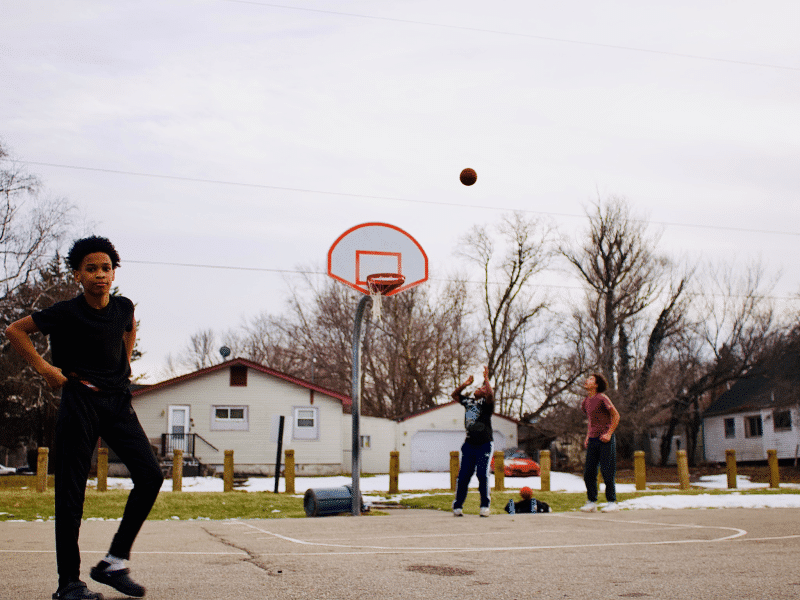
In Pictures: Sarvis Park
Photographer Ryan Hobson shares his perspective on Sarvis Park.
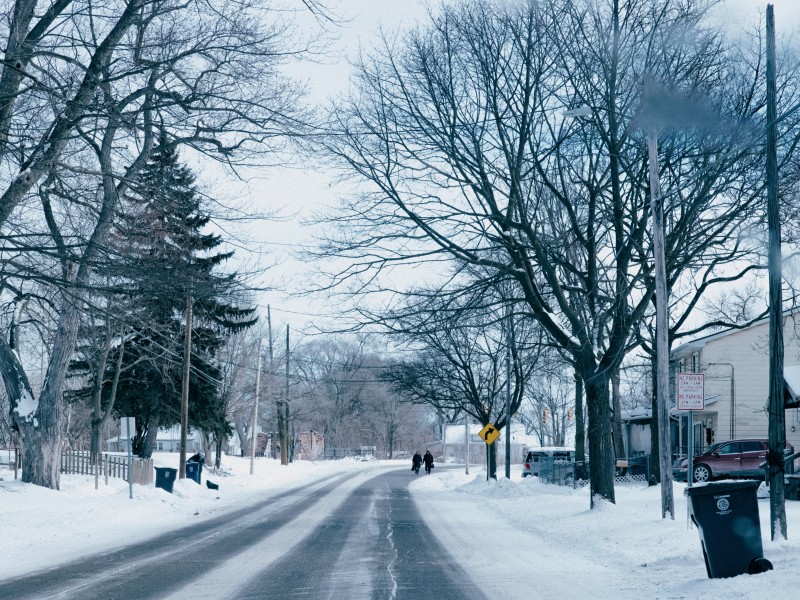
In Pictures: A Winter Look at Flint’s Eastside
Photojournalist Anthony Summers gives a closer look at Flint’s eastside during the winter season.


