
Sloan Museum’s New Workshops Prepare Fourth Graders for High-Tech Careers
PowerUp! sparks fourth graders’ interest in circuits, solar energy, and high-tech careers through hands-on STEM workshops across mid-Michigan.
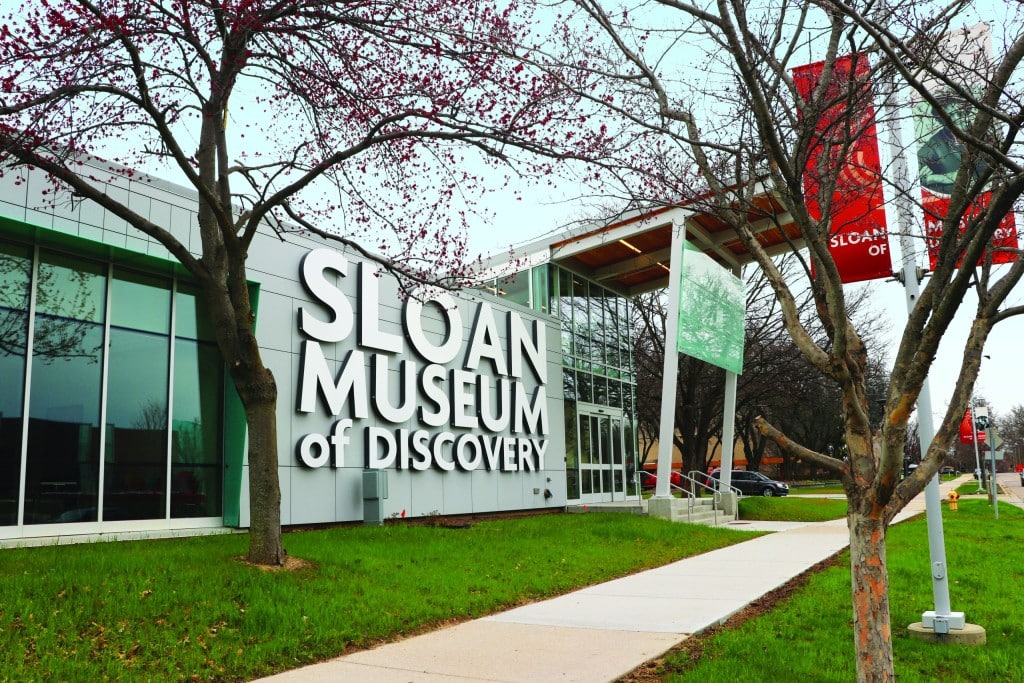
Flint, Michigan — In the heart of mid-Michigan, the Sloan Museum of Discovery is preparing to spark the imaginations of the region’s youngest learners through a new program designed to light the way toward the state’s high-tech future. The PowerUp!Workshops, funded by a $325,000 grant from the Michigan Department of Labor and Economic Opportunity (LEO), will engage fourth-grade students across Genesee, Saginaw, and Bay Counties in hands-on explorations of semiconductors, solar energy, and circuits.
“This is a grant-funded program for fourth-grade students in Genesee, Bay, and Saginaw Counties,” said Todd Slisher, Executive Director of the Sloan Museum and Longway Planetarium. “We’re creating a series of activities around semiconductors, circuits, and solar panels. It’s a multi-faceted program that goes beyond a typical field-trip experience.”
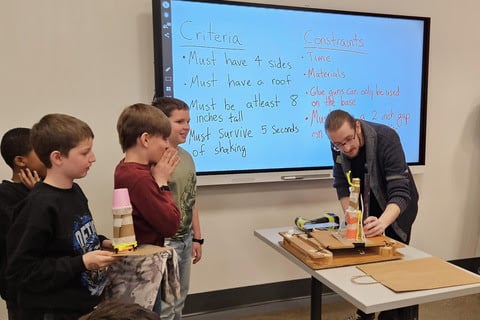
According to Slisher, the idea originated from conversations about Michigan’s evolving manufacturing landscape and the need to expose students to emerging technologies early on. “We have a large manufacturing facility, Hemlock Semiconductor, just north of us,” Slisher explained. “With talk of future chip plants and advanced manufacturing in the area, we wanted to make sure younger students were grounded in these concepts early, so they can take the right high-school and college classes to enter these high-tech jobs that are the future of Michigan.”
That grounding begins long before students set foot in the museum. Teachers receive pre-visit packets aligned to Michigan science standards on energy and energy production. Once at Sloan, students explore a brand-new exhibit on circuits and logic gates, complete interactive challenges, and then join an hour-long Discovery Lab session where they connect “Bright Boards” to build working circuits that make lights flash and fans spin.
After the museum visit, Sloan’s outreach team travels to participating schools for a follow-up program that delves deeper into solar panels and renewable energy generation. Students can even continue the experience through a week-long summer camp focused on circuits and solar technology. “We want kids to get a multifaceted experience and really see how this knowledge connects to their world,” Slisher said.
PowerUp! is rooted in partnership. Sloan Museum is collaborating with Hemlock Semiconductor, which supplies technical expertise and real-world connections for participating students. “Their staff advise us on the program’s technical aspects and may even visit programs or summer camps to speak directly with kids,” Slisher said. “It’s a chance for students to meet professionals, ask questions, and see role models in these fields.”
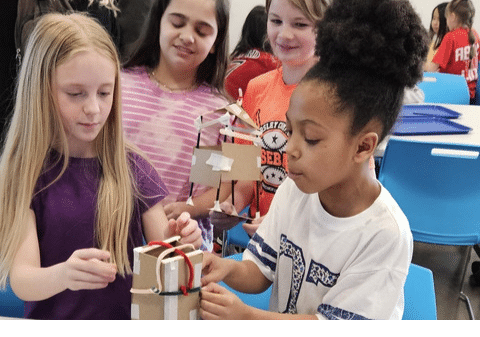
The museum is also coordinating with the Genesee Intermediate School District (GISD) and its counterparts in Saginaw and Bay Counties to identify schools that might otherwise lack access to such opportunities. “Because of the grant, we’re able to make this program free for all students,” Slisher noted. “We’re specifically reaching out to under-resourced schools to ensure every student has the chance to participate.”
The museum plans to survey participants to track how exposure to these hands-on STEM activities influences interest in science and technology. “We’re not going to teach everything about circuits in one visit,” Slisher acknowledged. “But if we can spark curiosity and motivate students to pursue more advanced programs later, that’s a win. We see this as feeding the high-tech job pipeline in the region.”
Though still in development, PowerUp! is scheduled to launch in Fall 2026. Slisher hopes its success will open doors to similar programs centered on other high-growth industries. “We’re already in touch with Mott Community College and the Michigan Economic Development Corporation about future collaborations,” he said. “If this works well, we’d love to expand it to different grade levels and other sectors. Engaging students in topics that could become their future careers—that’s what this is all about.”
Author

Related Articles
Years after Flint water crisis, schools continue supporting students exposed to lead
Flint schools continue supporting students impacted by lead exposure years after the water crisis.
PreK for All expands early learning access for Flint families
Michigan’s PreK for All expansion has given Genesee County families access to high-quality preschool education.

Dinosaurs Take Over the Flint Cultural Center This January
Beginning January 20, ICE DINOSAURS: The Lost World of the Alaskan Arctic opens at Sloan Museum of Discovery.


