

Travis Ricketts and the tug-of-war between creativity and control
Flint multi-media creative, Travis Ricketts, reveals why he took a break from social media and the politics of creating in Flint.
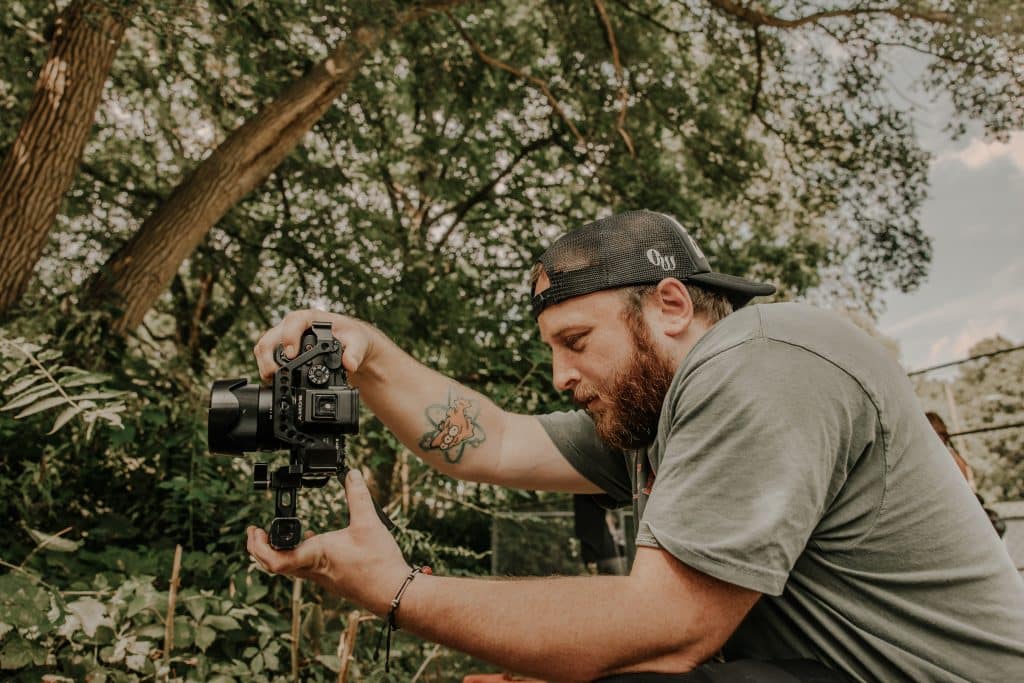
FLINT, Michigan — The patio behind Soggy Bottom Bar was half shade, half sunlight, and all heat. It was August in Flint, noted by the heat and the hundreds of classic cars that lined the bricks of Saginaw Street for the annual Back to the Bricks car show. As more people fill the streets for the event, Flint-based multi-media creative Travis Ricketts, known as Cryptic Filth, and I sat down to break down his, what seemed like, sudden disappearance from social media.
What was intended to be a brief update about Ricketts and the current state of the local art scene quickly evolved into an introspective, thought-provoking dialogue that touches on everything from social media to local politics affecting artists across the city.
Having been interviewed by Flintside back in April of 2022, he is known around the city for his raw, decaying urban photography style. In that story, he spoke about opening Studio/Crypt, a “safe haven” in downtown Flint designed to provide local creatives with a place to work, collaborate, and experiment. He talked about the burnout that came with shooting music videos, the struggle to get paid fairly, and his hope to build something lasting within Flint’s art scene — something that went beyond social media and trends.
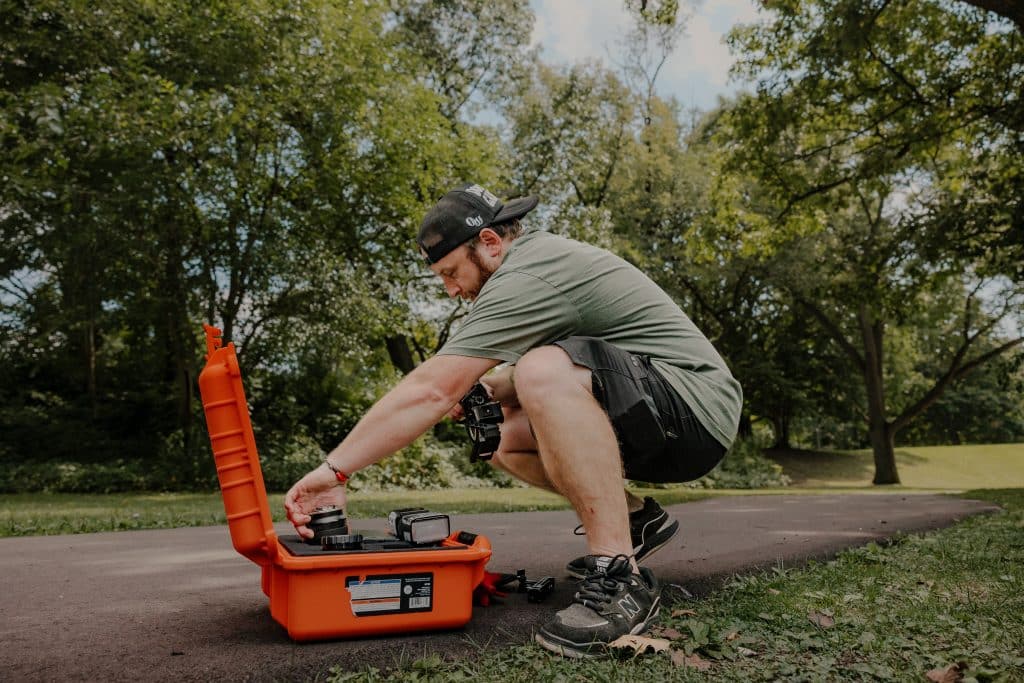
But that dream ended in a dramatic fashion, leaving him with a bad taste in his mouth. He explained that the Paterson building, which housed Studio/Crypt, was condemned following disputes with investors, and that the studio was lost in turn. In the process, his studio’s equipment was stolen after he was denied access to retrieve it. With Studio/Crypt gone, along with all of the equipment, Ricketts finds himself surprisingly optimistic. “I’m glad it happened,” he said. “I wouldn’t be who I am today without all that. It forced me to rebuild from scratch.”
Presently, the man of many talents seems more than content with his current situation. He’s still creating, but there’s a new sense of separation between the work and the noise that surrounds it. “I just had to step away from the internet for a while,” he said. “People forgot what reality feels like. During COVID, everyone had money — everyone had time. Then real life came back, and it hit a lot of people hard.”
That hit especially close when we started talking about Flint’s creative economy and the hustle to make art pay without losing the love for it. “I don’t want to answer to anybody,” he told me. “It gets old. You make a few dollars, but who’s helping you? You’re a helper, but who’s helping you?”
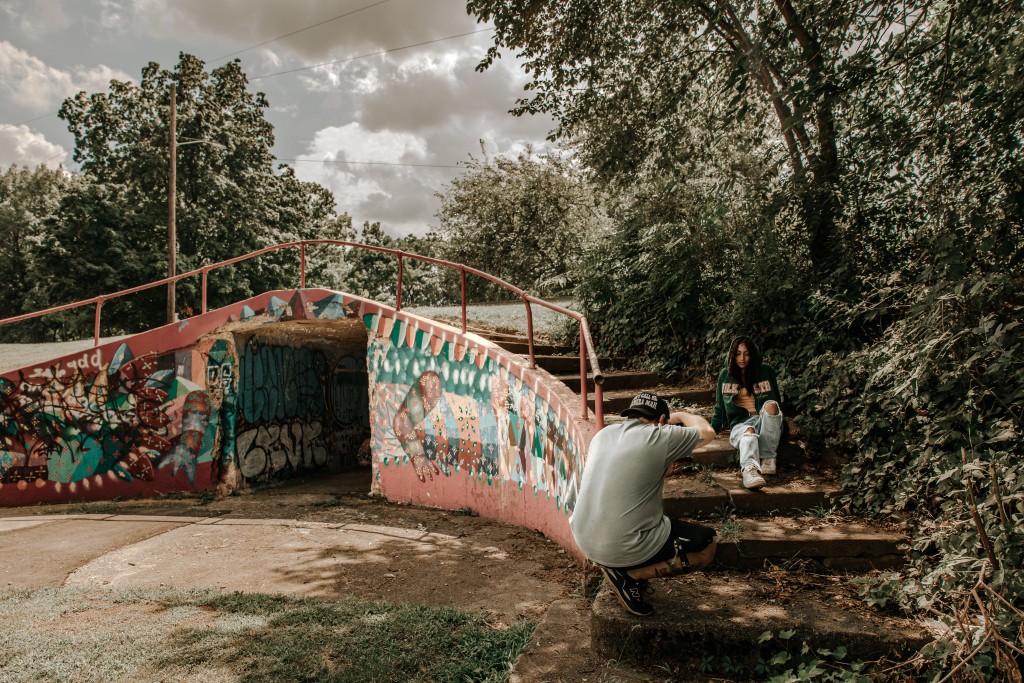
The “help” potentially comes from local politics and business interests that have a way of bleeding into the creative scene in Flint. For many artists, navigating the city’s landscape means learning who pulls the strings behind events, funding, and access. As Ricketts tells it, “there’s a lot of weird things that control it — like entities… it all comes down to can they make money off you. To us, it’s art. We just want to do art. But to them, it’s business.” That tug-of-war between creativity and control has made it difficult for smaller, independent voices to thrive without compromise.
The frustration the videographer describes reflects a broader truth about Flint’s creative ecosystem. The independence of these artists is about more than just proving themselves, no matter the circumstance; it’s a necessity to survive. Regardless of budget cuts, profit margins, licenses, or permits, local artists like Ricketts continue to create, often self-funded and self-taught. Like heat under pressure, art in Flint is inevitable, almost despite the obstacles surrounding it.
And while he’s found a way to navigate the real-world challenges thrown at him, the internet is a different story. If someone abruptly disappears from social media, we often assume something has happened. Whether by coincidence, life changes, or simply a need for a break, a lack of presence on social media will lead most people to assume the worst. Ricketts knows this all too well.
“Once you get off the internet, people act like you don’t exist. Life is way more important than chasing something online,” he told me, likening the online chase to a job that you didn’t apply for. “After a while, people just shoot for the likes, but it’s a job. It’s a whole job in itself.”
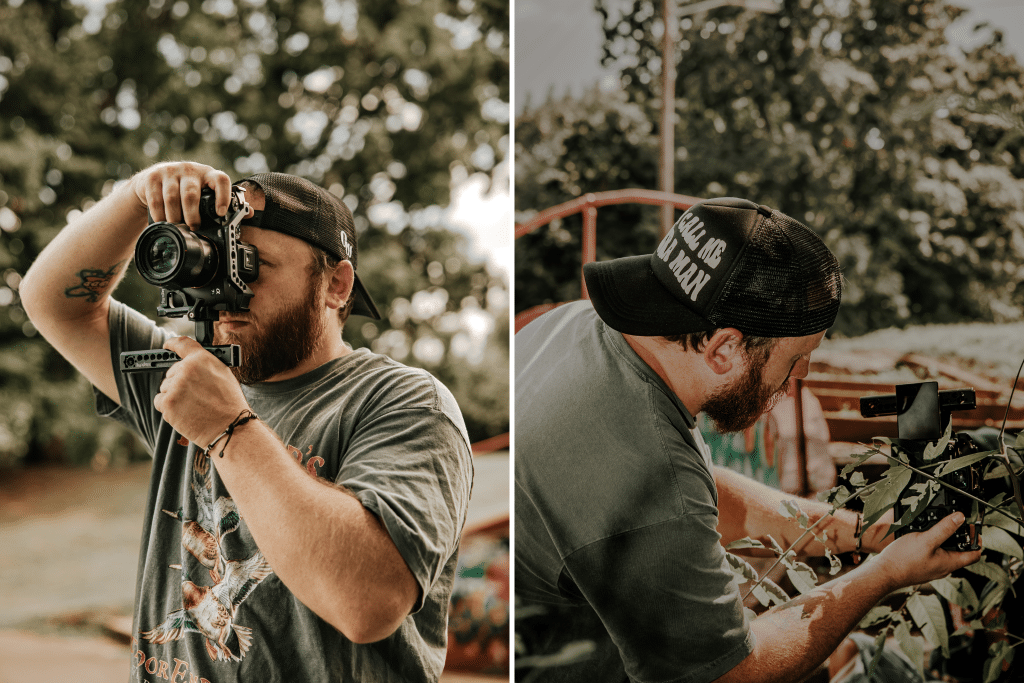
One only has to look through Rickett’s vast resume of creative, personal, and professional projects and endeavors to see that he is one of the hardest-working creatives in the city. From album covers, music videos, and photo series, you couldn’t scroll through Flint’s art scene without seeing something that had his fingerprints on it. And yet, as he spoke, it became clear that his decision to step back wasn’t about burnout — it was about clarity.
Clarity for someone who’s photographed nearly every corner of the city means that he hasn’t lost his respect for what Flint gives back. “I don’t think my outlook on the city’s changed,” he said. “People do, but the city’s the same. My camera just puts me in different places. It helps me see things I might’ve missed otherwise.”
Yet, let the record state that Ricketts hasn’t gone anywhere. If anything, he’s more present in the real world than ever. Many of Flint’s creatives find themselves walking a similar path; balancing their passions and purpose with priority. They find themselves looking forward, despite limited resources, in a system that often overlooks them.
After our conversation, I found myself thinking about how much social media influences how we perceive people, rather than seeing them for who they truly are. Ricketts reminded me that, at the end of the day, creating and capturing the world around us is a photographer’s main purpose. His story is a reminder that art in Flint endures not because it’s easy — or because of likes on the internet — but because it’s created by artists who refuse to give up.
You can learn more and follow Travis Ricketts on Instagram.
Author

Related Articles
FIM Winter season brings the star fever, Black History Month concerts, more in Feb.
FIM Flint School of Performing Arts has a diverse lineup of performing arts events, showcasing star power throughout the Winter 2026 season.
Good for the Soul Comedy Show Returns to Flint Farmers’ Market
Communities First, Inc. will host the Good for the Soul Comedy Show 2 at the Flint Farmers’ Market.
Buckham Alley Theatre Showcases New Works by Flint-Area Playwrights
Two original comedies by local playwrights take the stage at Buckham Alley Theatre in Flint.


