
Editor’s Note: “A Middle Kind of View” is a new Flintside bi-weekly column series by University of Michigan–Flint student and Flint native, Amina Smith.
FLINT, Michigan — What makes a community a community?
It’s a question that carries a different answer depending on who you ask. For some, community lives in the joy of shared history and familiar stories. For others, it takes shape in the unity created by diversity. And for many of us, it’s the feeling of knowing that when life becomes heavy, someone will show up for you — and you’ll show up for them. Loud. Proud. Unapologetically.
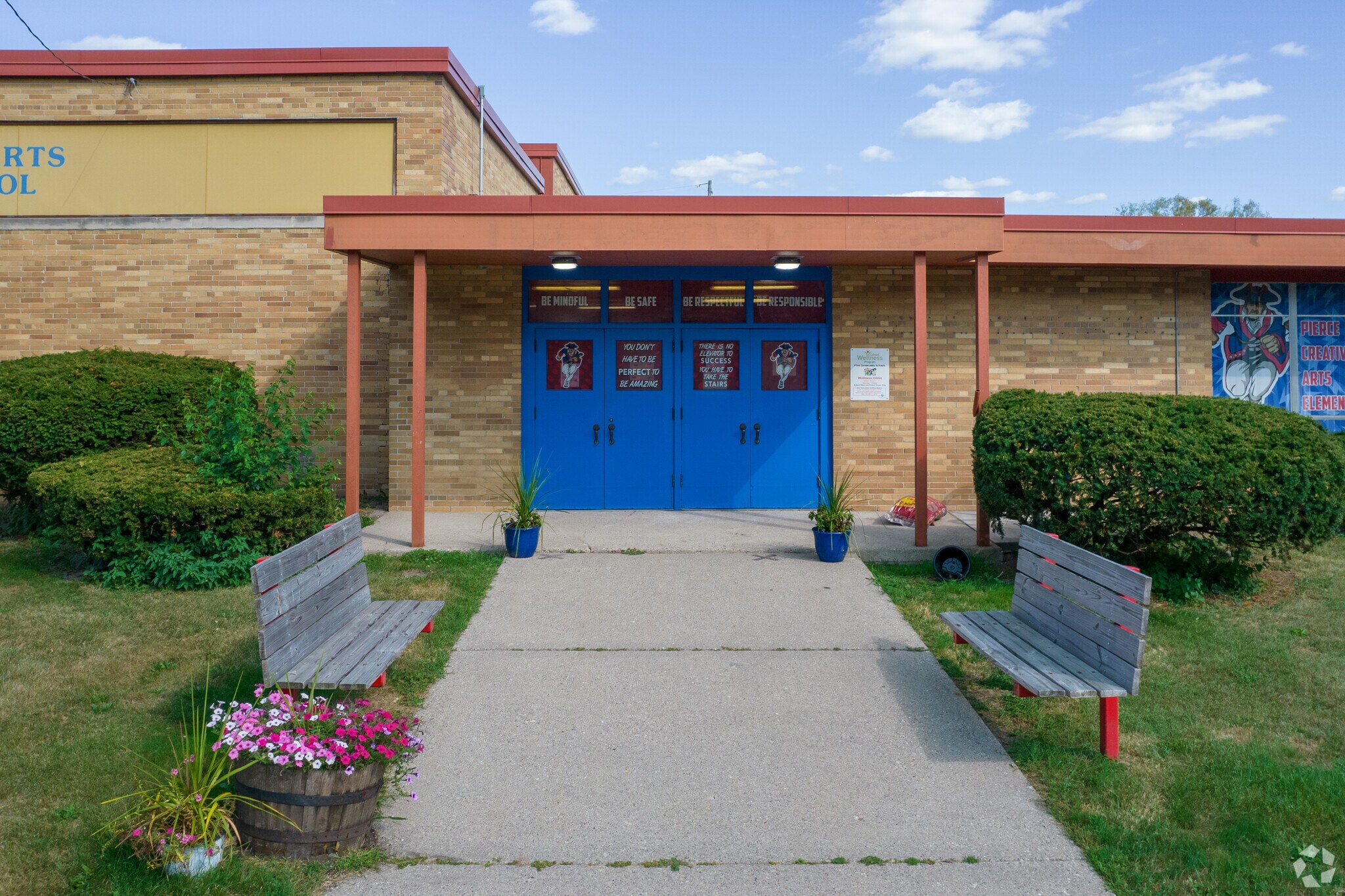
My own definition comes from a place stamped into my memory like an address on an envelope: Pierce Elementary School on Flint’s eastside. Nestled in a neighborhood that once pulsed with children, families, and possibility, Pierce was where I first learned what it meant to belong to something larger than myself.
It was the kindergarten class who made handmade sympathy cards when my mother passed, and my teacher, Ms. Charline Beecia, who showed up at the funeral without hesitation. It was the first-grade partner who introduced me — at six years old— to the difference between tolerating someone’s identity and embracing it fully. These moments planted the early seeds of community in me, long before I had the language for it.
“The goal is to raise members of the Flint community — people whose bond to this place runs deeper than a ZIP code.”
So you can imagine the ache I felt on a recent winter afternoon, standing before that same building — no longer operating, weathered, and worn. A place once alive with movement and music now stands quiet, its emptiness echoing louder than its walls ever did. And what tightened my chest wasn’t just the building’s decline, but the realization that hundreds of Flint children will never experience what I did within its halls.
Driving home, the questions started to form:
Where do our children learn community now?
Where do they gain the early experiences that teach them how to show up for others?
What happens when the places that taught us belonging no longer exist?
Yes, Flint has a wave of new educational developments on the horizon — and that is promising. But what about right now? How do we support our youth in the spaces left behind while we wait for the future to arrive?
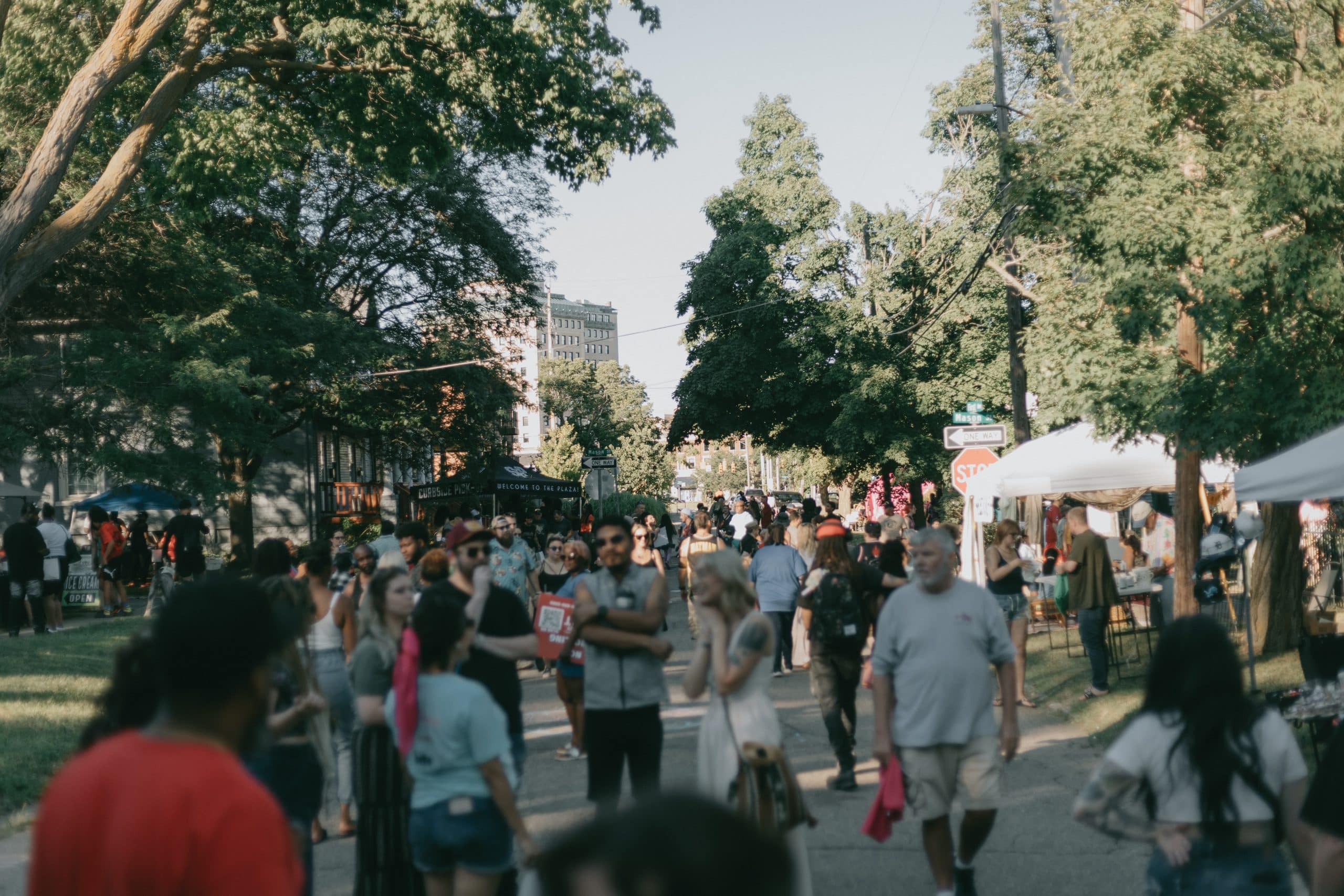
Because an Elder once told me, “In order to be a villager, you must be a part of the village.” And from my Middle Kind of View, one reason people speak of a declining sense of community in Flint is because many of the foundational spaces that taught us how to be villagers — our elementary schools, after-school programs, and neighborhood hubs — have dwindled or disappeared.
“How do we support our youth in the spaces left behind while we wait for the future to arrive?”
That doesn’t mean all hope is gone. It means we must look intentionally toward the spaces still doing the work.
Flint’s Cultural Center continues to be a rich learning ground — from STEM exploration at Sloan Museum to ceramics and art classes at the Flint Institute of Arts to the Flint Public Library’s steady, ever-growing lineup of youth programs. Berston Field House, shaped by the legacy of BB Nolden, remains a powerhouse for young athletes and dreamers, teaching discipline, teamwork, and purpose.
And community anchors like the Latinx Technology & Community Center provide culturally grounded, inclusive programming that supports families and gives kids a sense of home. These places aren’t replacements for what we lost — but they are reminders of what’s still possible.
To me, it is heartbreaking to witness the closures of schools that shaped so many of us. But heartbreak doesn’t excuse disengagement. If anything, it demands that we double down on ensuring Flint’s youth still have places to nurture their identity, connect with others, and develop the values that make community real.
Because the goal isn’t simply to raise children who live in Flint. The goal is to raise members of the Flint community — people whose bond to this place runs deeper than a ZIP code.
And that starts with giving them spaces to grow, right here, right now, in the village we still have.
Author
Related Articles
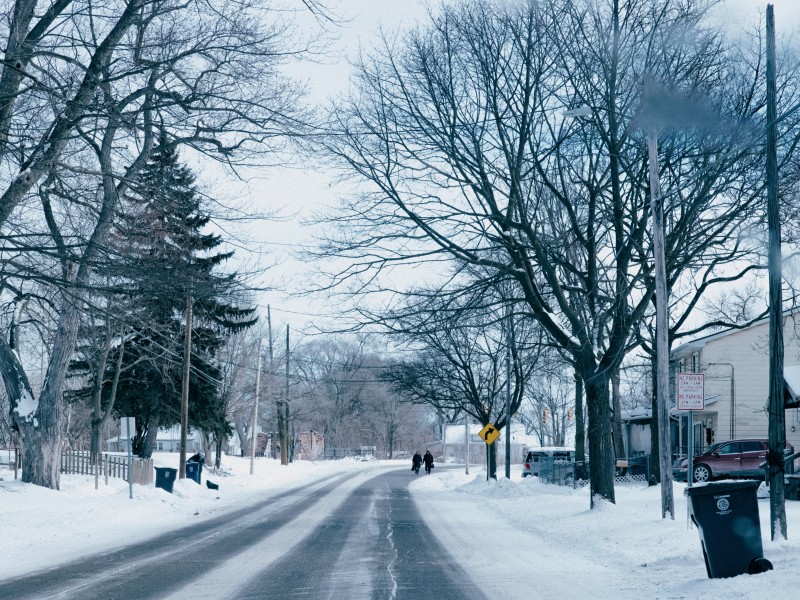
In Pictures: A Winter Look at Flint’s Eastside
Photojournalist Anthony Summers gives a closer look at Flint’s eastside during the winter season.
A Village in the City: How Ubuntu is Powering Civic Park’s Next Chapter
Civic Park’s Ubuntu Village marks it’s next chapter by renovating the old Dort Meat Market.
Rooted in Culture, Driven by Justice: Inside the Arab American Heritage Council
For more than 40 years, the Arab American Heritage Council has preserved culture, supported immigrant families, and built community power in Flint.


