How CDFIs help Flint businesses find the capital and connections to grow
The Flint & Genesee Economic Alliance works with community lenders and other partners to help local businesses overcome financing and space challenges.
Block by Block is a solutions journalism series that is supported by CEDAM, Invest Detroit and Michigan CDFI Coalition, and is focused on community development leaders and initiatives in Michigan, Ohio and Indiana.
In Flint, helping a small business grow can take more than finding a lender. It can mean connecting an entrepreneur with advice, funding options and a place to do business. The Flint & Genesee Economic Alliance works with businesses and community development partners to make those connections. Across Michigan, community development financial institutions, or CDFIs, are one part of that larger network.
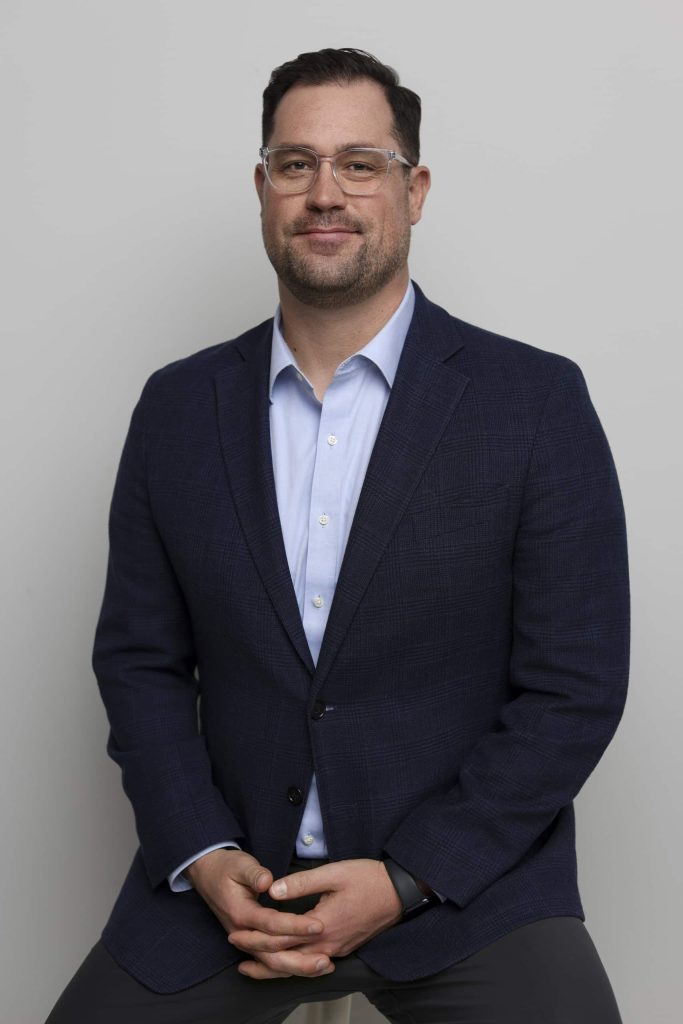
Tyler Rossmaessler is the executive director for the Flint & Genesee Economic Alliance, an organization tasked with helping grow prosperity in Flint and Genesee Counties.
“I lead the team of professionals that are working with small business owners, entrepreneurs, clients and companies that are operating in Flint and Genesee, and companies that aren’t here yet — helping them grow and overcome challenges so they can create more jobs and bring more opportunities to the residents of our community,” Rossmaessler says.
Within their work connecting small businesses, Rossmaessler often collaborates with CDFIs to help entrepreneurs get access to the required capital to grow their business. Through the small business support hub, Flint-based design firm, Urban Collab Architecture was able to secure new retail vendor space in the Shops on Saginaw in Downtown Flint.
The business focuses on regenerative, sustainable and community-oriented architecture, design services, space planning, construction management, and energy-efficient strategies for residential, commercial and community clients. The goal is to combine collaborative and conscious design to create landscapes that support the economy, improve environmental performance and enhance the quality of life.
Rossmaessler says the way we interpret our communities is through the lens of small business. “No one ever says, ‘hey, I want to go to that new town because they’ve got a really great intersection.’ They want to visit because of a really interesting coffee shop or restaurant, it’s always in the context of small business that defines our sense of place.”
Small businesses are often the largest employers in communities, also. Supporting these small businesses through grants, federal funding, CDFI capital, and other resources helps create more vibrant communities and jobs for residents.
Those connections are one piece of a broader approach to community development. Across Michigan, CDFIs work alongside economic development groups and other partners to finance projects that can be difficult to fund through conventional lending.
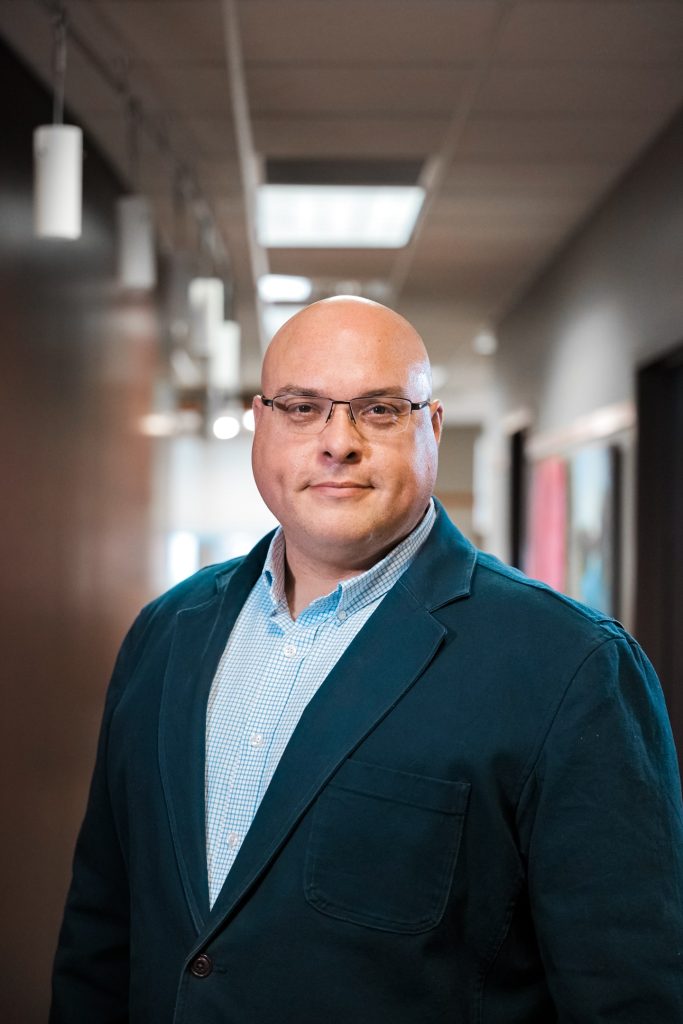
Eric Hanna is the president and CEO of Michigan Community Capital (MCC), a statewide community development corporation and community development financial institution, or CDFI.
“We work on a community development mission that’s closely aligned with the Michigan Economic Development Corporation (MEDC),” Hanna says. “We use a wide variety of tools to reactivate vacant and blighted buildings and districts, really making investments in Michigan’s downtowns and corridors to create vibrancy and community.”
The MI CDFI Coalition aims to champion nontraditional borrowers, providing flexible and affordable capital and uplifting underserved communities by bringing together CDFIs across the state.
“The Michigan CDFI Coalition’s mission is to disseminate best practices and to consolidate its voice in order to be effective at changing public policy and impacting philanthropy and the private sector — to motivate them to take action to address some of the state’s significant community development challenges,” Hanna says.
Hanna says the MI CDFI Coalition had a significant amount of success prior to this year in securing critical funding from the state to support its mission. Other benefits of this coalition have been the collective conversations had, as well as sharing that work through stronger levels of publicity and storytelling.
“We do a lot of great grassroots work down in the weeds, technical work in terms of helping people get loans and investments, facilitating work with small businesses. We just don’t get a lot of press for it — and people don’t know how hard that work is, and how much of it we do,” Hanna says. “Our impact over the course of a number of years has been in the billions of dollars. One of the coalition’s big positives is really elevating that so that people see it, understand it, and appreciate the value of it.”
CDFIs can help create connection, collective identity in communities
In Old Town Lansing, local residents have seen firsthand the impact that a CDFI like Michigan Community Capital can have on a community.
“What we do with our loan platform is identify the areas in a community that are important to its identity, its psychology, areas that create connection, trust and a collective identity. Old Town is one of those areas that people in Lansing identify with and have a positive affinity for,” Hanna says. “Our goal in Old Town and all the other districts that we work is to improve and accelerate that affinity through making investments.”
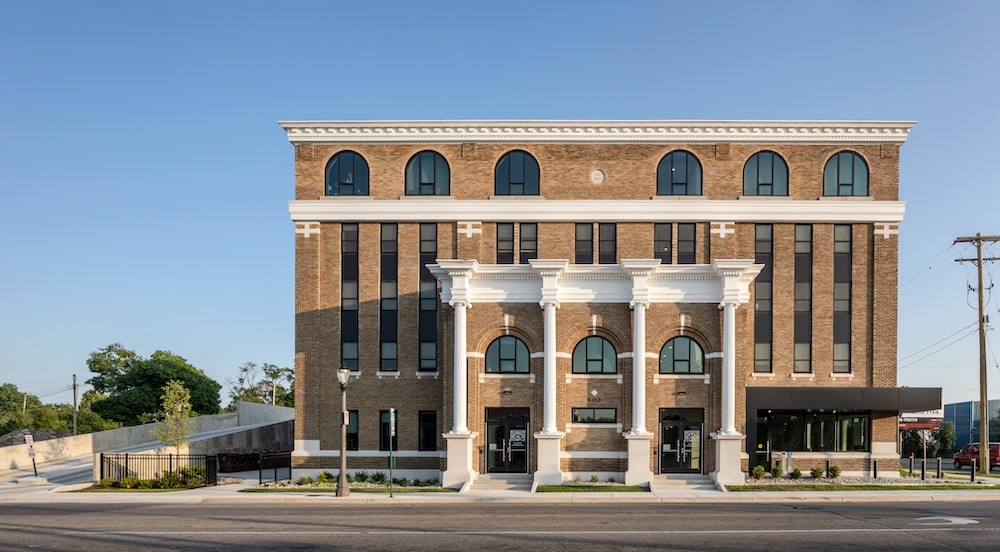
MCC invested $2 million in the Temple Lofts apartments, a five-story brick building that used to be a church. Today, the building has 31 residential mixed-income units and 4,000 square feet of commercial and office space on the first floor. At least 51% of all residential units developed are reserved for middle-income renters. This development increased walkability, housing and commercial activity within the historic arts and cultural corridor of this Lansing area.
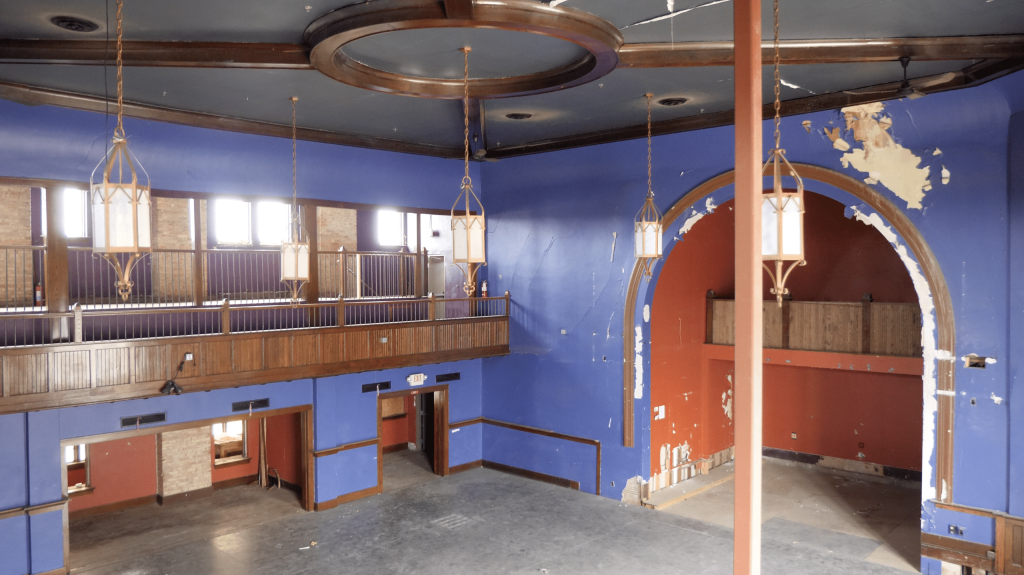
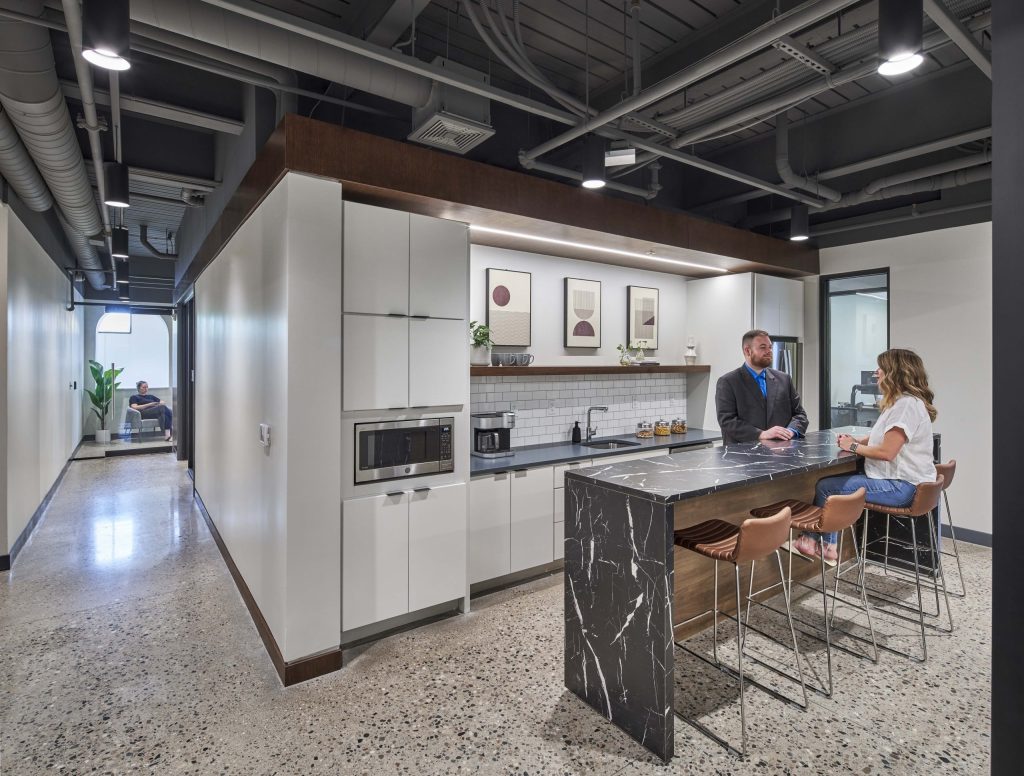
MCC is also working on a development in Northern Michigan’s city of Cadillac with 92 apartments and seven small businesses.
“When we first started working there in 2019, it was a vacant grocery store that had been dark for 10 years,” Hanna says. “It’s right in the center square of town in Cadillac where the clock tower is. It’s a flagship example of activating the sidewalk, helping people restore a sense of identity, not walking past dark buildings every day, getting people to live downtown, walking around and spending money. It’s about building a sense of community and identity around their town and being proud of it in the process.”
Mike Sturgill, owner of Precision Hardwoods, a small business in Onaway, has benefitted from a CDFI and the Coalition. Through MCC, PNC Bank, and New Markets Tax Credits, the hardwood production business completed a $13 million expansion. With 45,000 new square footage and new equipment, the expansion helps fill the void after several mills closed across Michigan. The expansion also helped seven retain and create 20 more local jobs — that don’t require a specialized four-year degree.
“We’re a sawmill that does some specialty stuff, a lot of industrial lumber, some flooring lumber, lumber for apple boxes, fruit boxes, and we have around 30 employees,” Sturgill says.
He started Precision Forestry in 2004, and ran that business for nine years before buying the sawmill in 2013. Since then, the company has expanded from about five or six employees to 30, and produces 10-times the amount it used to.
The most recent expansion occurred in 2024-2025. Sturgill heard about MCC from his contacts at MEDC who said they might be able to help on the project. The grant allowed the entrepreneur to not have to borrow more money for the project that would have ended up costing double the amount as anticipated.
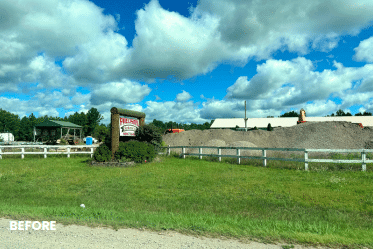
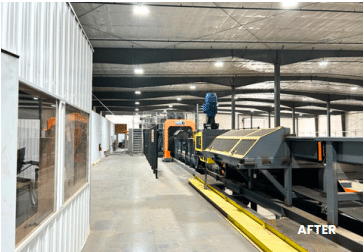
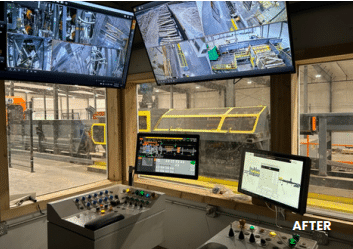
Looking ahead, Sturgill hopes for more expansions in the next three to five years, estimating another $5-10 million expansion — hopefully with more help from CDFIs and grants.
“MCC is great people to work with, we didn’t know a lot about it initially, but they’ve been very helpful. They’ll always answer an email call, or text right away. I would definitely recommend any other business to work with them,” he says.
Hanna says this project is a really good example of a challenging location and industry to get traditional financing.
“Sawmills have gone out of business, it’s hard to find labor, there’s a lot of competition from overseas,” he says. “Having local sawmills in Northern Michigan is really important, there are a lot of resources there and a lot of work goes into making sure those forests are managed in a responsible way. We were able to jump in and support him with some state and federal resources, and now we’ve got a great success story. Now it’s a business operating, expanding, and creating employment opportunities.”
Advocating for more resources to further support economic and community development
Although the impact of these projects can be very evident to the residents, workers, and communities in which they exist, sometimes their impact isn’t always supported within federal budgets. That’s why advocacy on behalf of these CDFI Coalitions is crucial. Having tool kits to help get these projects done helps all parties involved.
“Part of the role of CDFIs and community development corporations is to find and work with both to bring those buildings back to life and put them back on track,” Hanna says. “These corporations and CDFIs are not governments and they are not philanthropy. They have to work within an ecosystem that has public resources flowing into them and philanthropic resources flowing into them. We’ve seen a pretty significant degradation in those resources over the last several administrations — going from hundreds of millions of dollars a year back down to virtually nothing. That has really slowed the ecosystem down, and a lot of my advocacy work over the last 18 months has been to try to put some of those previously successful tools back in place.”
If there is nothing to finance, because there’s no resources flowing into the projects from public or philanthropic sectors, the whole ecosystem grinds to a halt. Once that momentum dies, it’s really hard and expensive to get restarted, says Hanna.
Examining economic development through an affordable housing perspective
Ryan Kilpatrick is the founder and CEO of Flywheel Community Development Services.
“We work with local units of government, chambers of commerce, and philanthropic foundations to solve for housing and economic development challenges at the local level,” Kilpatrick says. “We were born out of work that I had been doing at a non-profit here in West Michigan specifically focused on workforce housing challenges. We found there was a lot more need, so we expanded services and now cover the whole state of Michigan.”
Flywheel is frequently a partner on developments, serving as a consultant to help get housing built – from policy to production.
“We often engage and help with connections to philanthropy, conversations with local municipalities, and we’re sort of a bespoke consultant firm that assists on a case-by-case basis,” Kilpatrick says.

While it’s easier for traditional lenders to finance a market-rate, multi-family building or subdivision, Kilpatrick says it’s more challenging to get starter homes or attainable, missing-middle lots funded. The goal is to create holistic neighborhoods with grocery stores, high-quality childcare, affordable housing for skilled laborers, safe streets, etc.
“Those kinds of products don’t necessarily fit within the credit box of a traditional lender, so having multiple CDFIs available to help fill those gaps is really valuable. Each CDFI has sort of a different area of focus: Michigan Community Capital, IFF, Cinnaire — each of them are willing to focus on different product types to solve for different challenges.”
When all of these CDFIs work together in the coalition, collaborating with community development advisors, economic development corporations, and small businesses, it can create a blueprint for growth.
“That’s the great thing about having those relationships — is having a partner who wants to continue to grow with you and adapt,” Kilpatrick says.
Related Articles
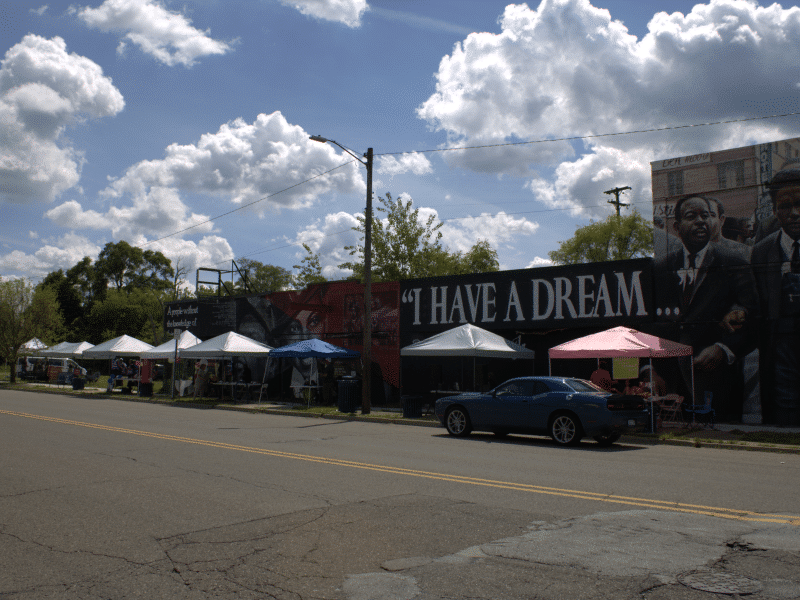
King Avenue PLUS Builds Community Momentum Along Flint’s MLK Corridor
King Avenue PLUS brings vendors, resources, and community connection to Flint’s MLK corridor.
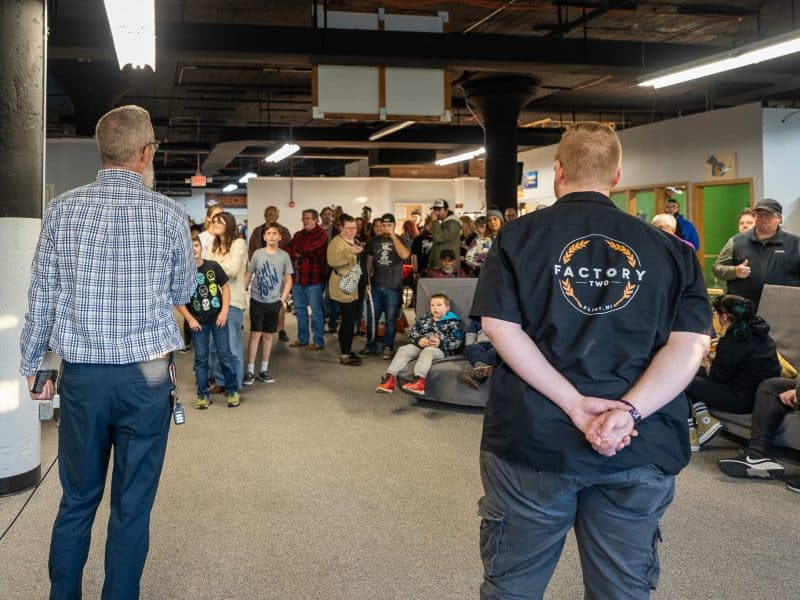
Factory Two looks forward to connecting more makers, innovators, and dreamers in Flint
Factory Two continues building Flint’s maker culture through tools, classes, and community repair.
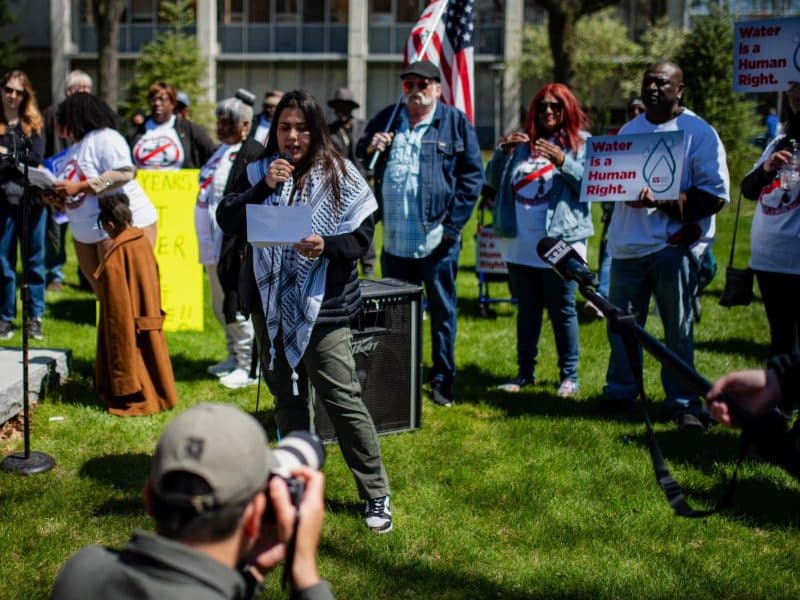
Rooted in Culture, Driven by Justice: Inside the Arab American Heritage Council
For more than 40 years, the Arab American Heritage Council has preserved culture, supported immigrant families, and built community power in Flint.