
Years after Flint water crisis, schools continue supporting students exposed to lead
Flint schools continue supporting students impacted by lead exposure years after the water crisis.
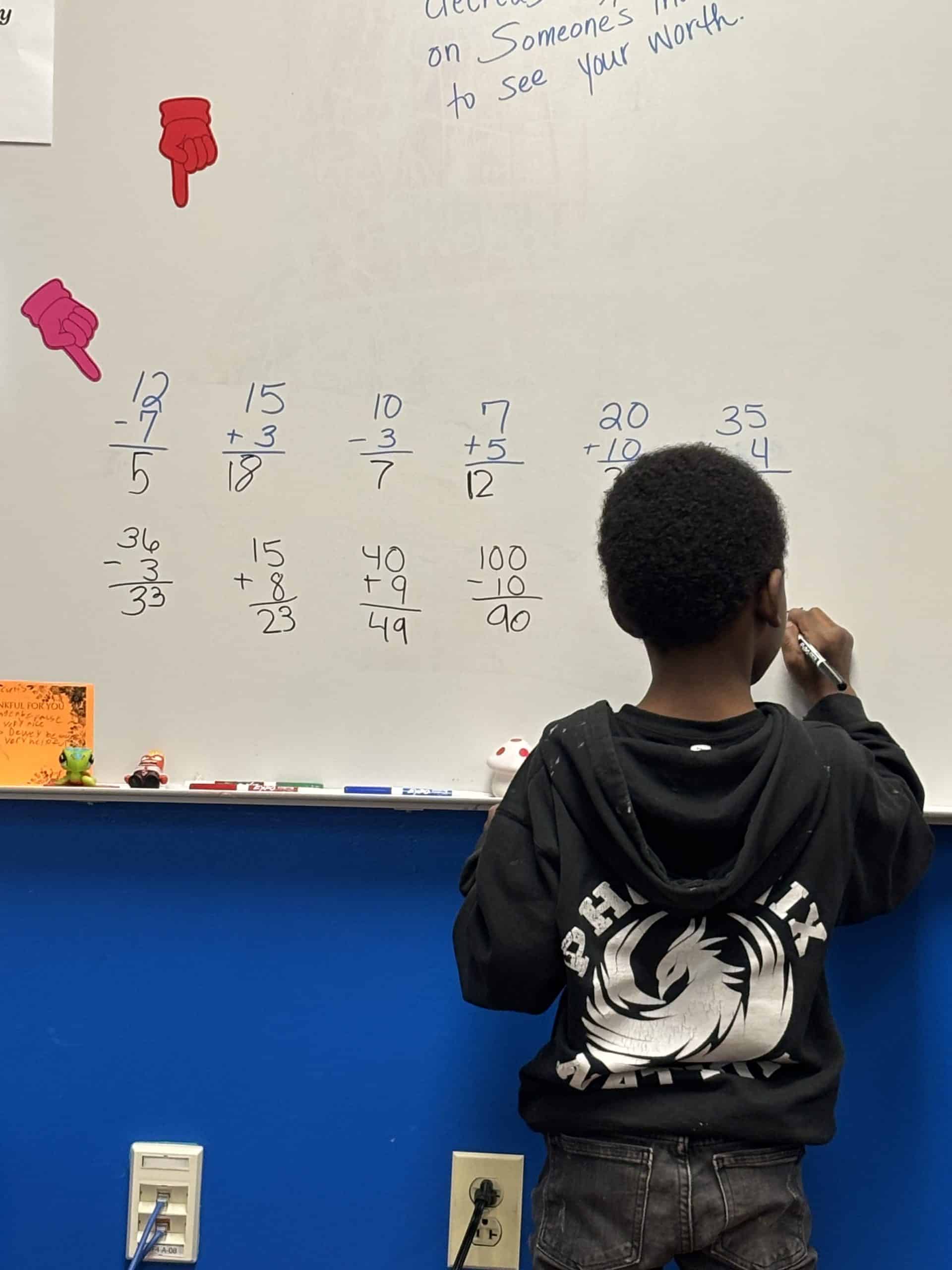
FLINT, Michigan — Nearly a decade after the Flint water crisis began, its impact continues to shape classrooms across Genesee County.
Through a funding stream known as Section 11s, schools are providing academic, behavioral, and health support designed for students who were exposed to lead during the Flint drinking water emergency.
Established under Section 388.1611s of Michigan’s School Aid Act, the funding allows the Genesee Intermediate School District (GISD) to coordinate services for students affected by the crisis who are now enrolled in schools across Genesee County.
According to Steve Polega, Assistant Superintendent of Special Education at GISD, the funding supports a range of school-based services intended to help students access learning while addressing long-term impacts associated with lead exposure.
“The funds are allocated to Genesee Intermediate School District to coordinate and provide support for these students,” Polega says. “The funding may be used to employ school nurses, classroom aides, social workers, and community health workers, and to provide behavioral and mental health services, nutritional supports, family engagement, community coordination, and other student support services.”
Across Genesee County schools, the program provides a combination of academic interventions, behavioral supports, and health services to help students remain engaged in learning.
Academic supports include screening and diagnostic assessments to identify student needs in reading, math, and writing. Once needs are identified, educators provide targeted support through small-group instruction, individualized learning strategies, and ongoing progress monitoring.
Occupational therapy services also play an important role in helping students fully participate in classroom activities by addressing fine motor skills, handwriting, sensory processing, and executive functioning.
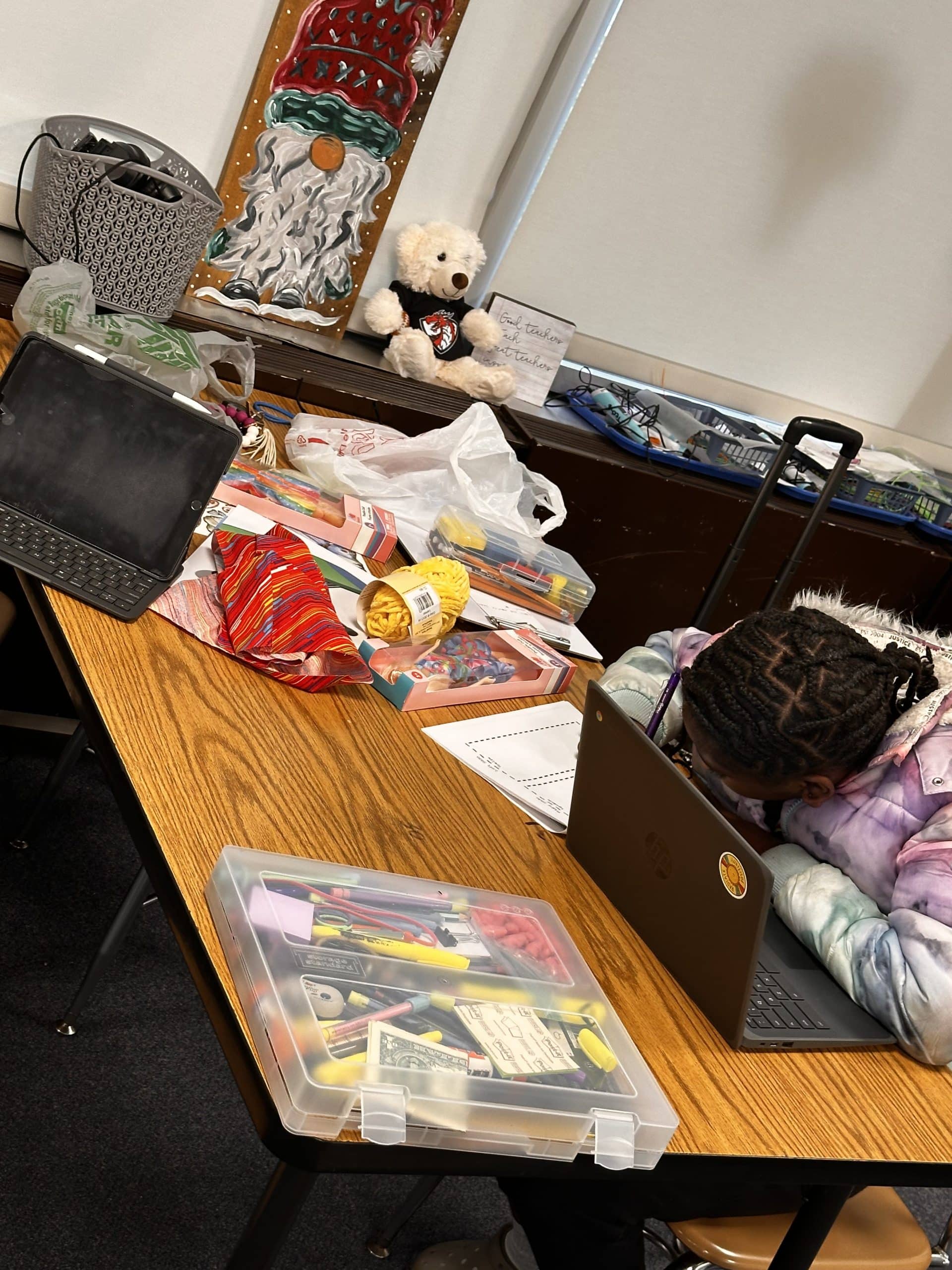
Behavioral and health supports are also integrated into the school environment. Students may participate in one-on-one sessions focused on developing skills such as emotional regulation, decision-making, and relationship-building, while staff may also provide in-class support to help students navigate the classroom environment.
School nurses collaborate with doctors, train teachers on students’ health needs, and provide guidance that enables students to participate safely in school activities. These services are delivered through a Multi-Tiered System of Supports (MTSS) framework, which allows educators to tailor interventions to individual student needs.
Educators say the long-term effects of lead exposure can continue to affect students’ development years after the initial exposure. National research has revealed that lead exposure can impact motor coordination and sensory processing—skills that are critical for classroom participation. Some students experience delays in fine motor skills needed for tasks like handwriting or using classroom tools, while others may struggle with sensory processing, becoming overwhelmed by common classroom stimuli or seeking additional sensory input through movement or off-task behaviors.
Lead exposure can also affect attention, impulse control, emotional regulation, and memory retention. Students may have difficulty sustaining focus, managing emotions, or retaining new concepts from one day to the next, requiring repeated practice and reinforcement to maintain learning.
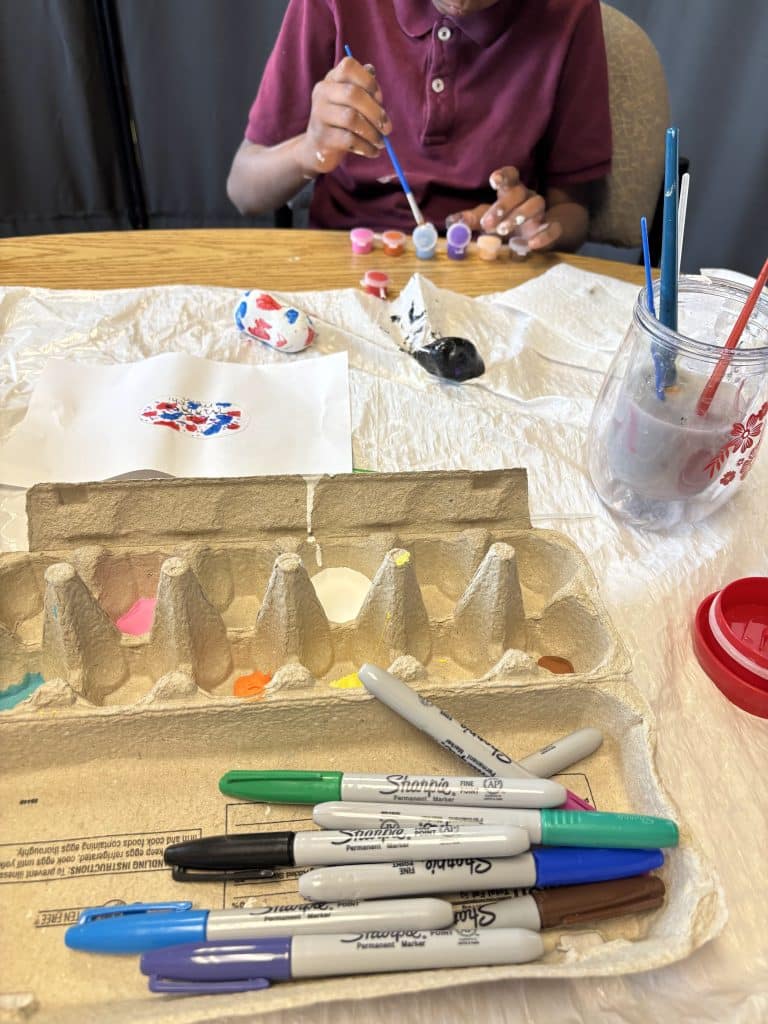
Students receive services through their district’s Student Assistance Team, which works with families to identify needs and develop individualized plans with specific goals. Once services begin, students receive ongoing support designed to address their academic progress, behavioral development, and overall well-being.
Educators involved in the program say students receiving support through Section 11s services are making progress academically, behaviorally, and socially. According to Genesee ISD, many students are spending more time in the classroom and experiencing fewer behavioral disruptions that previously led to removal from learning environments.
Staff reports that some students who previously struggled with impulse control or aggressive responses are beginning to recognize emotional triggers, use coping strategies, and step away from challenging situations before behavior escalates. Others are developing stronger connections with peers and school staff, increasing their engagement and participation in school.
From an occupational therapy perspective, “students are developing sensory regulation, coordination, and visual-motor skills that support handwriting and classroom participation,” Polega says.
As Michigan lawmakers begin planning the next fiscal year’s School Aid budget, the potential loss of drinking water emergency funding has raised concerns about whether Section 11s will continue to receive funding.
“Eliminating funding would result in the loss of critical services for students affected by the Flint water crisis, many of whom require additional support to access the same educational opportunities as their peers,” Polega says.
Author

Related Articles

In Pictures: WDZZ 92.7 & Everybody Needs Love Back 2 School Rally
Flint celebrated a Back 2 School Rally in downtown Flint on Saturday Aug. 8 presented by WDZZ & Everybody Needs Love.

Holly Area Schools staff recognized for dedication to preparing Bronchos for success
S.T.A.R. Awards honor teachers, support staff, and employees who go above and beyond for students

National youth pitch competition brings live finals to downtown Flint
Young entrepreneurs bring Mott Million Dollar Challenge finals and awards to downtown Flint June 16.