

The Man Behind the Board: How Bryce Mata Became Flint’s Quiet Connector
How Bryce Mata became the quiet force behind Flint’s music venues, his label, and the DIY scene.
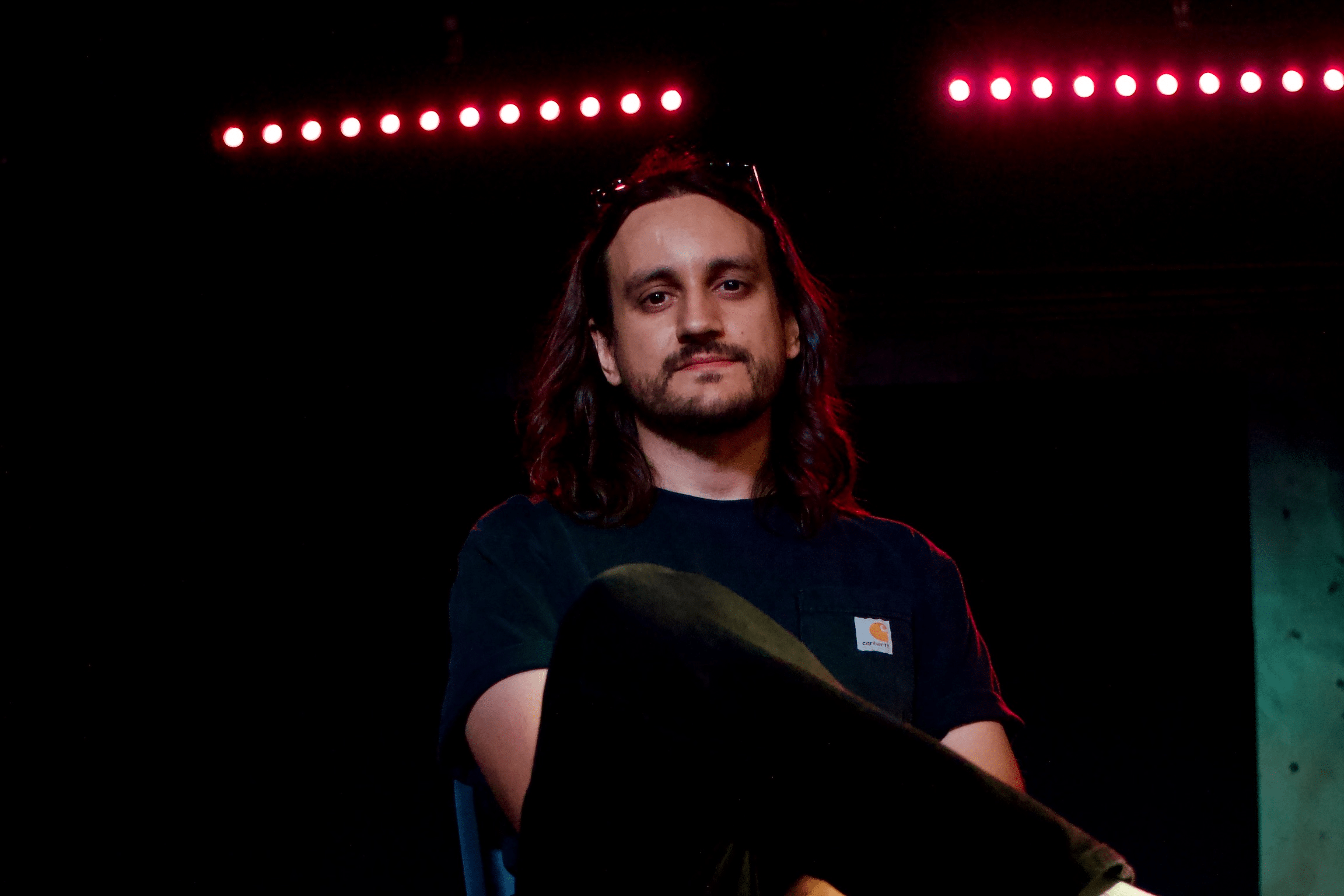
FLINT, Michigan – Ask Bryce Mata what he does, and he can’t give you a straight answer — not because he’s being evasive, but because the question doesn’t have one.
On any given week, he might be mixing sound for a touring ska-punk band at the Levitt Foundation’s AMP Flint Music Series, helping a business prep to reopen as a venue, running the label, zine, and platform Freak Baby with his wife Angela, or coordinating the effort that’s finally giving The Local 432 the acoustic treatment it’s needed for years.
He’s not chasing a title. He’s chasing whatever’s in front of him that feels worth doing.
“I just have a complex of saying yes to things,” Mata admits with a laugh. “I don’t wanna miss out on opportunities.”
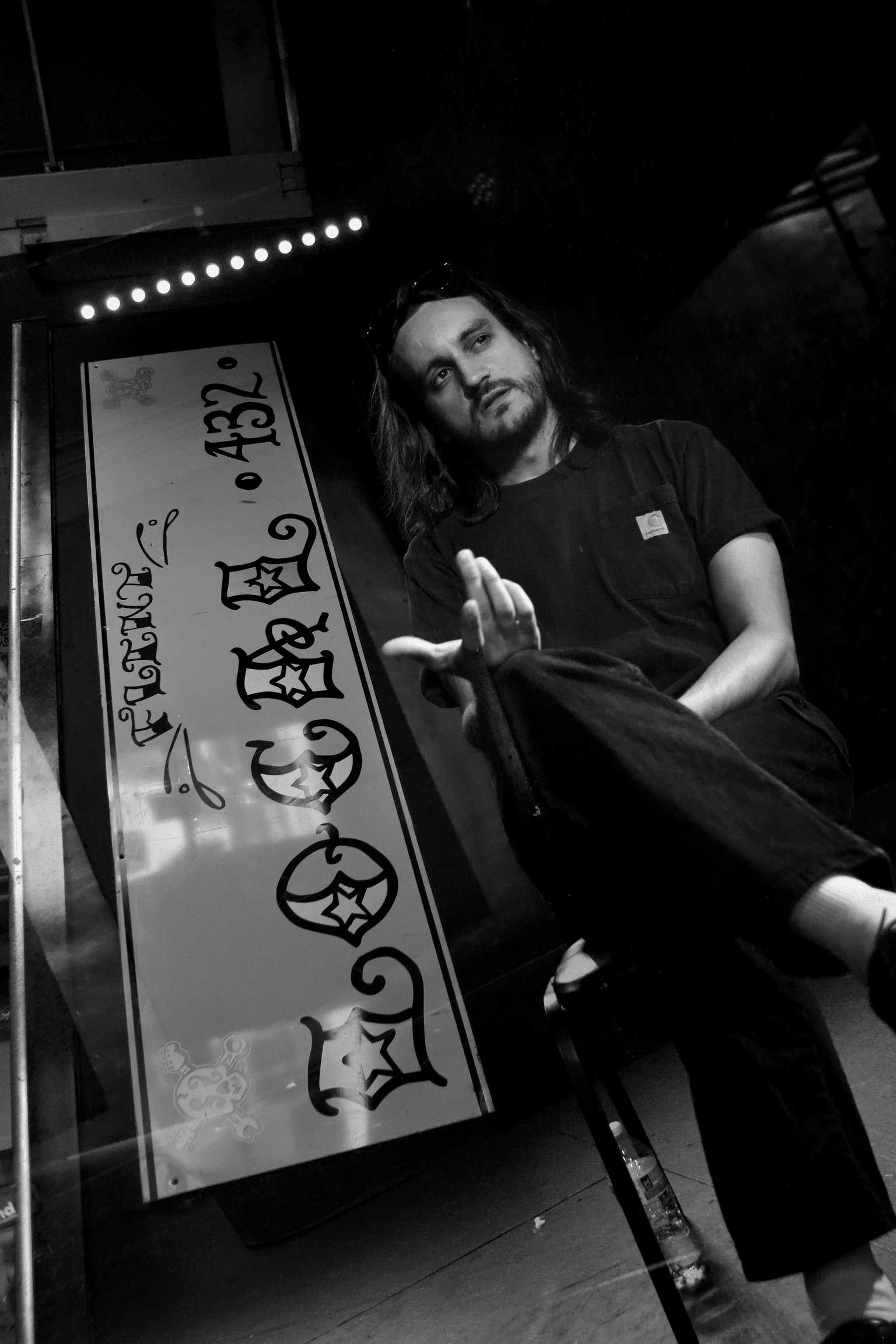
It’s a habit that traces back to childhood, watching his twin older brothers bring him along to shows. He was twelve the first time he set foot in The Local. His dad and brother were musicians, and his mother was a writer, so being creative wasn’t something he discovered; it was destined to be.
While other kids his age were at The Nutcracker, Mata was at Jazz Fest with his grandparents or watching punk bands. So, when The Local went dark during a lull between spaces, he made it his mission, once it reopened, to play there — booking his first band’s debut show.
From there, he found any excuse to stay involved: volunteering, running sound, and, as he puts it, “trying to insert myself into it somehow.”
Today, that insertion has a name: tech coordinator, a title Bryce describes as “informal but sort of formal.” In practice, Mata gives ideas, implements new techniques, conducts audits about best practices, and more at The Local.
In another role, it means he’s the person who shows up every other Tuesday for the Levitt Foundation’s concert series next to Totem Books, pulling stage plots from touring managers and mixing whatever band walks through the door that week.
It’s a role he stumbled into rather than sought. And now, it’s turned into one of Flint’s annual community stages. The series’ biggest night so far — a sold-out show from New Orleans’ Hot 8 Brass Band — is proof the format is finding its audience.
Mixing bands, Mata says, isn’t just about making things loud enough to hear. “There’s a stylistic imprint you get to do… a creative imprint as a mixing engineer that you get to bestow on the experience of the listeners.”
It was the same instinct he brought to photography and video through years of shooting for Flintside.
“With Flintside, that was such an amazing opportunity to hone a skill,” he says, describing the freedom the outlet gave him to figure out how a story’s photography should feel, shoot to shoot.
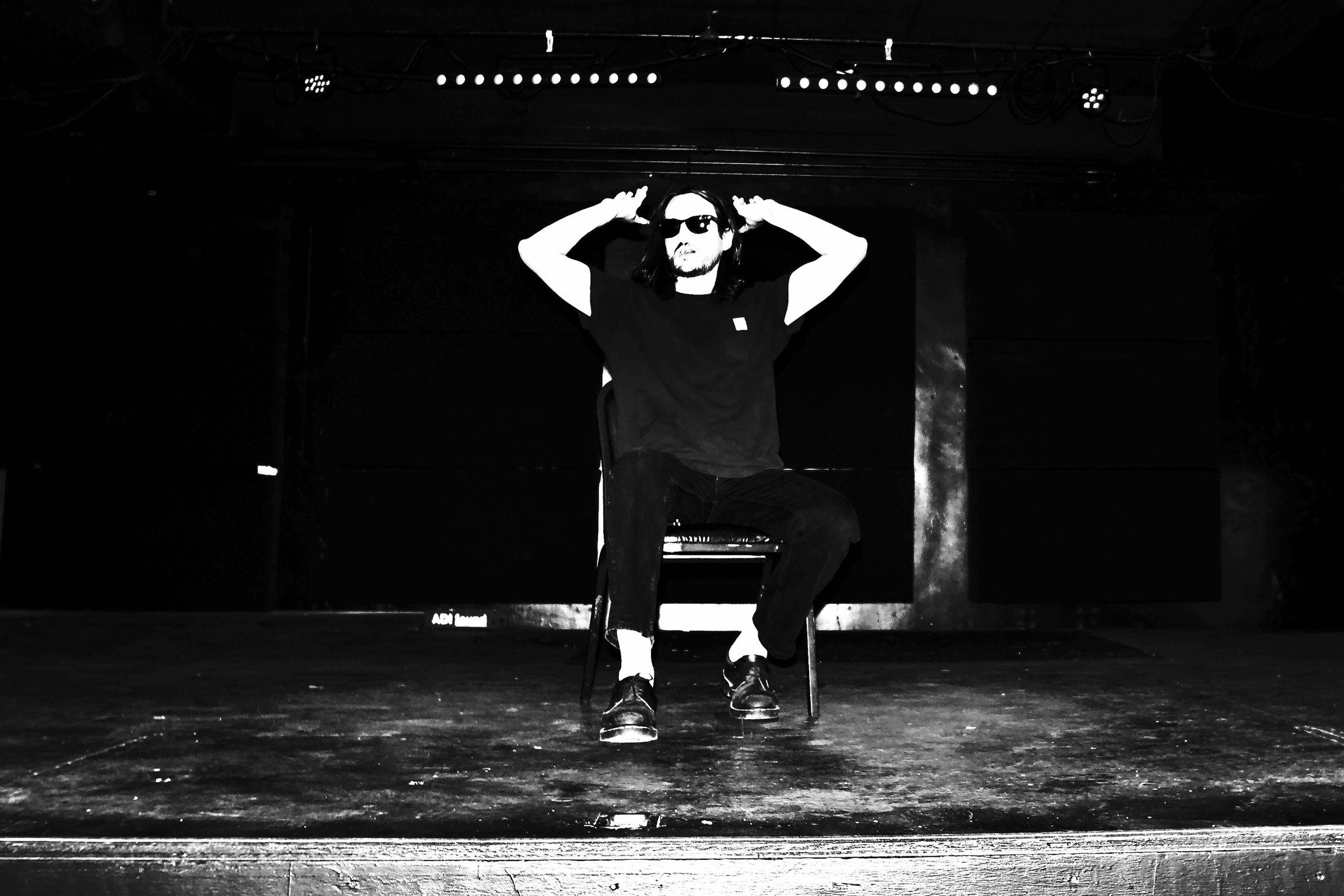
That freedom, he’s learned, comes with a tradeoff. The less a gig pays, the more creative latitude you tend to get; the better it pays, the more likely someone else is dictating exactly how the work gets done.
It’s part of why he, even as he builds a growing resume of community projects, has kept a day job that isn’t creative at all. He’s watched friends and his own brothers try the full-freelance route — some thriving, some burning out under abusive sets and inconsistent income.
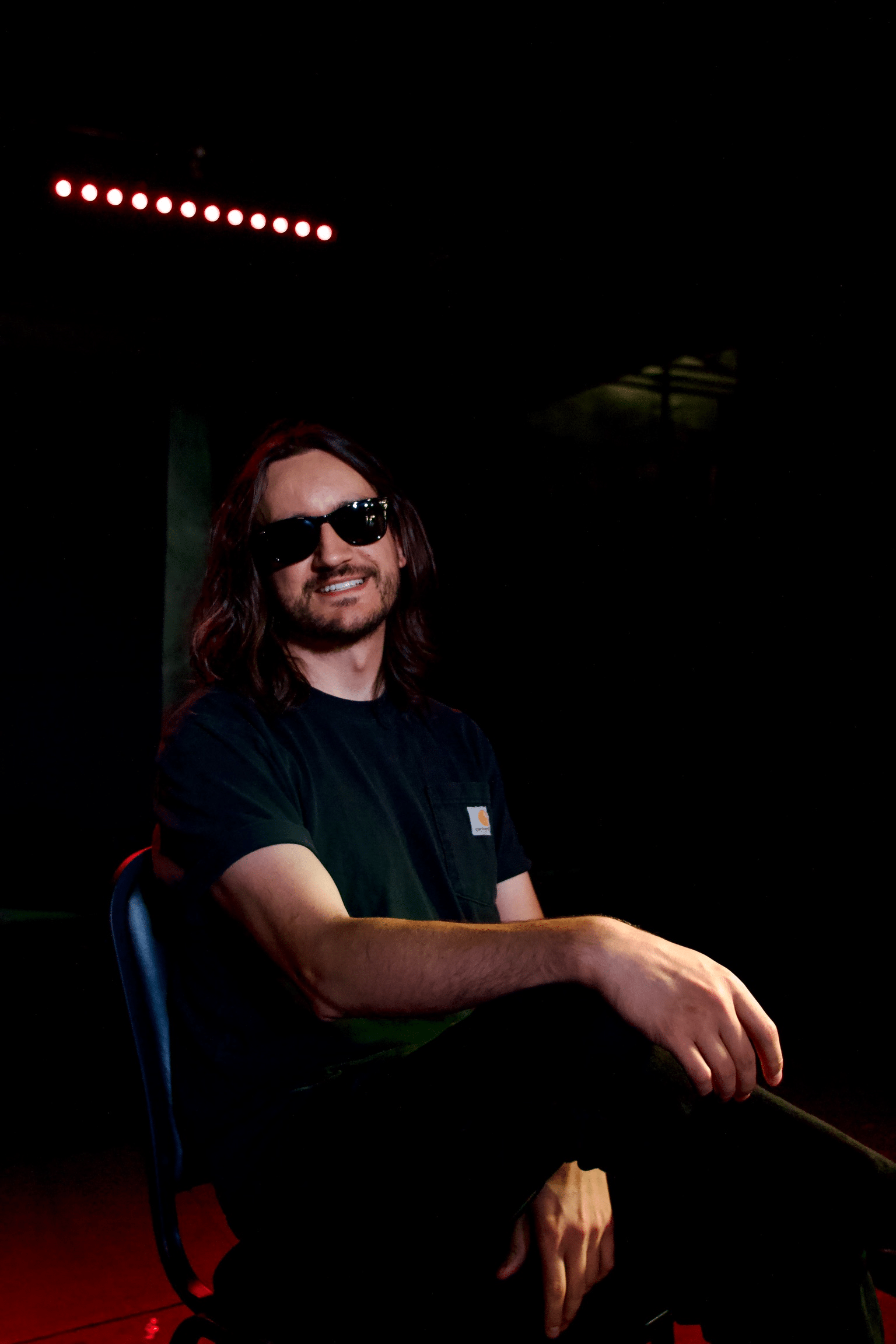
Mata tried it once too, right before his first child was born, and quickly concluded that he needed steadier ground. He’s made peace with the trade: less freedom, more stability, and the ability to keep saying yes to the projects that matter without needing them to pay the bills.
One of those projects, and arguably his most personal, is Freak Baby — the zine, label, and all-purpose creative outlet he runs with Angela. What started as an excuse for the two of them to stay involved in music together has expanded to include friends, and now spans zine issues, show bookings, live recordings, and a small but growing record label.
Their Freak Baby Bazaar at Factory Two — part vendor market, part all-ages show — outperformed expectations and led to a forthcoming partnership event with The Crowfoot in Pontiac, tentatively eyed for January. A collaborative interview series with the social media project Common Revolt has already landed a conversation with Taking Back Sunday, and more releases are in the pipeline for the label.
His bigger ambition, though, is civic as much as creative. He’s been quietly involved in plans to turn Communities First’s Masonic Temple into a multi-purpose venue — the kind of room, he says, that fills a gap.
There and at The Local, he’s pointed the project toward bookers for guidance, and has spent months consulting sound engineers, who toured the space, offered a stack of recommendations, and waived the consulting fee outright because, in Mata’s telling, “he liked The Local. That meant something to him too.”
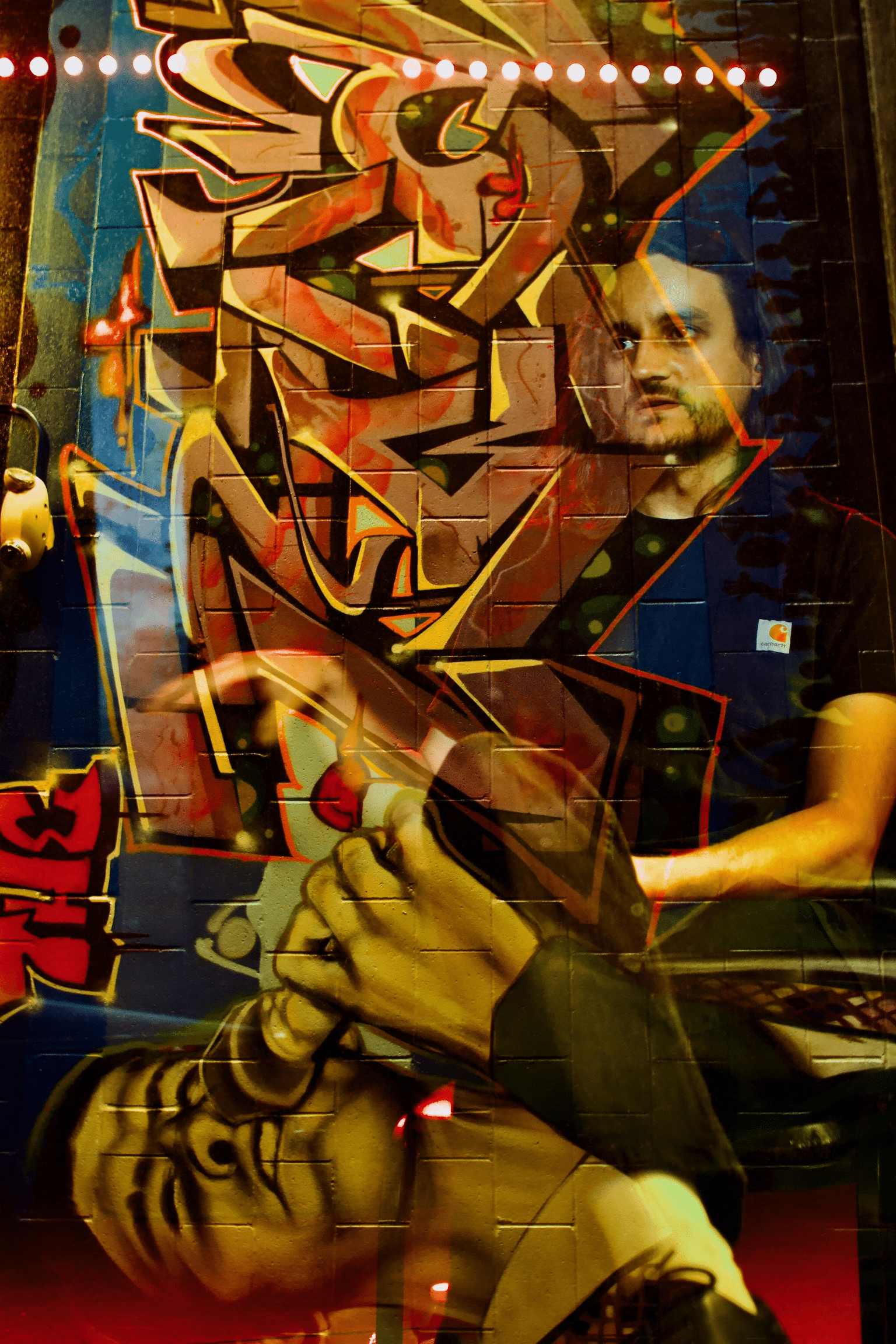
Bryce credits much of that mindset to one of Flint’s superheroes, Joel Rash, who stepped back from day-to-day involvement at The Local and Factory Two after years of running both, choosing instead to hand the reins to people like Maiya LeGardye, Mata, Justin Caskey, and others, rather than hold on out of habit.
Mata recalls Joel saying, “I don’t need to be the one trying to curate the music space for the young people in the area.” It’s a philosophy he’s watched play out in real time — longtime organizers stepping aside so the next generation, including Mata and Angela themselves, can shape what comes next.
Underneath all of it is a belief that Flint’s music scene isn’t dead so much as underestimated — that the bands, the DIY shows at Factory Two, the punk resurgence, the queer community turning up in growing numbers, are already happening, just not always where people are looking.
“It’s not that there’s not a scene,” he says. “It’s all about everybody coming together and trying to make it as cool as it could be.”
For Mata, that’s less a mission statement and more of a description of how he enjoys his life.
“Our arts & culture coverage is made possible by support from the Flint Institute of Arts.”
Author

Related Articles
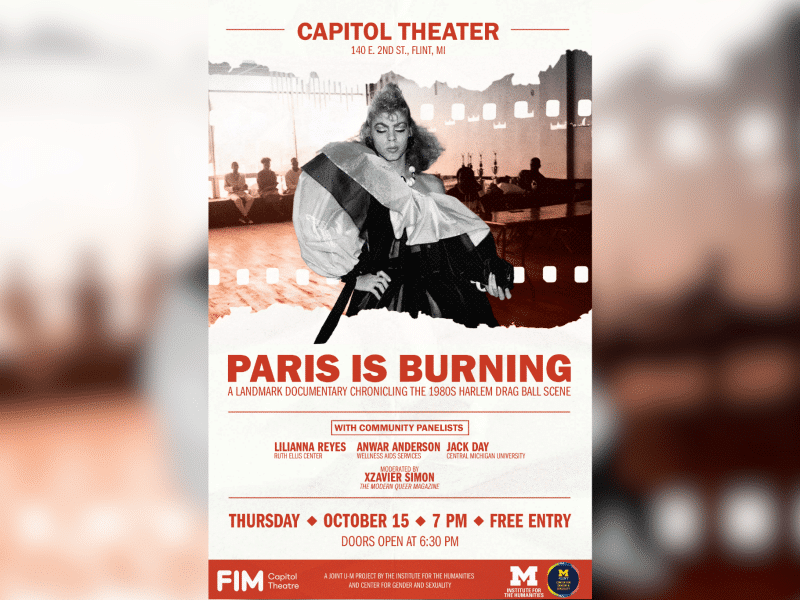
Free “Paris Is Burning” Screening and Panel Coming to FIM Capitol Theatre Oct. 15
Free screening of ‘Paris Is Burning’ with a panel discussion comes to Flint’s Capitol Theatre Oct. 15.
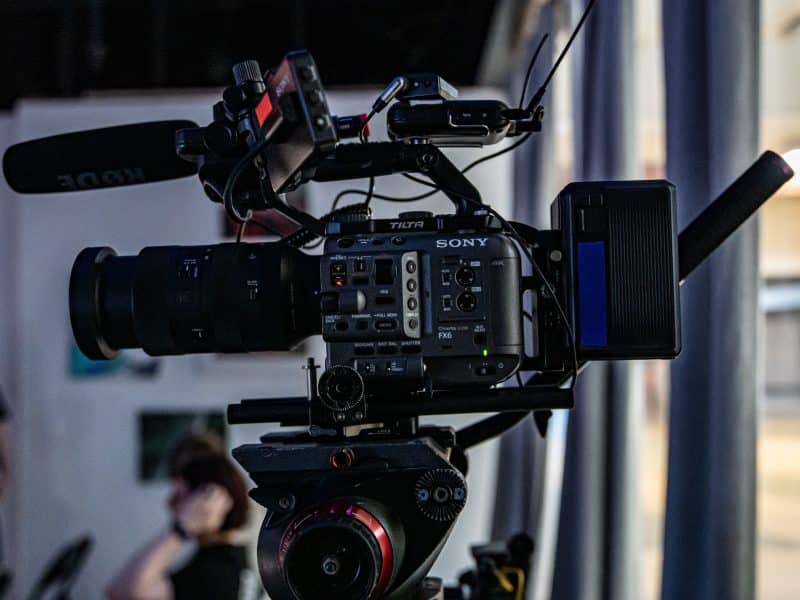
Vehicle City Film Festival Set to Celebrate Michigan Filmmakers and Flint’s Film Community
Vehicle City Film Festival brings screenings, talkbacks & awards to Flint Oct. 1-3.
FIA to Host “Splendors of South Asia” Cultural Celebration
FIA hosts ‘Splendors of South Asia’ cultural celebration Oct. 3 with food, music and dance.