
Meet the Candidates: Genesee County Probate Court Judge — Ashley Prew
Meet Ashley Prew, a candidate running for Genesee County Probate Court Judge on the Nov. 3 ballot.
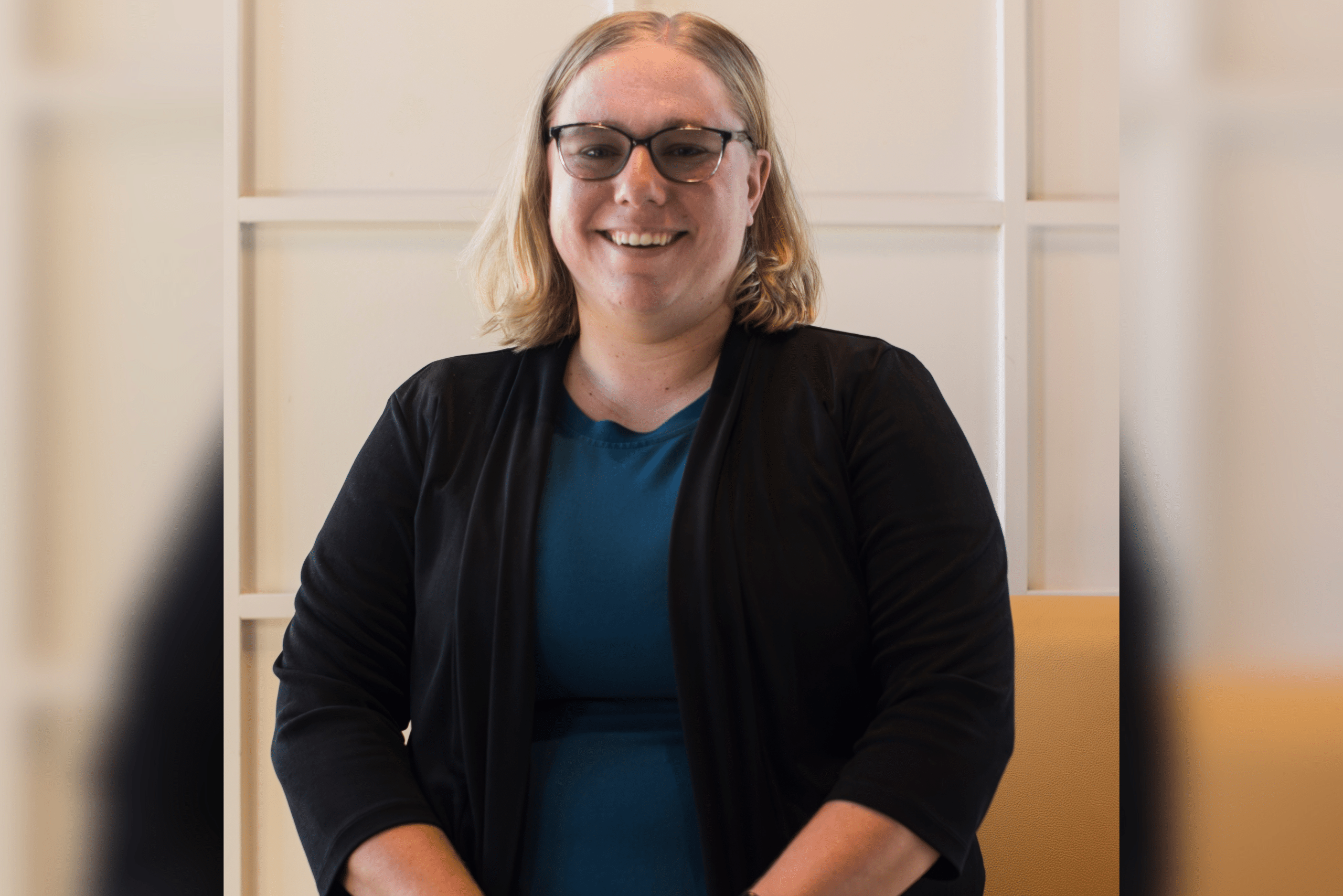
FLINT, Michigan — Ashley Prew has a name for the kind of court she’s running to serve on, and it isn’t the one most people reach for.
“One of the courts of life circumstances,” she tells me during our conversation at Mott Culinary Institute’s Coffee Beanery in downtown Flint. It’s not an official term, she adds carefully, just the truest one she’s found for a court that shows up exactly when nobody planned for it to.
She’s running for Genesee County Probate Judge after about ten years in private probate practice, a stint in the county’s Corporation Counsel office, and her current post as a senior assistant prosecuting attorney at the Genesee County Prosecutor’s Office. In September, the Flint & Genesee Group named her a honoree of its 40 Under 40 Class of 2026.
Probate court, as she describes it, handles what happens when someone dies and their estate has to go through the system, unless planning is in place to avoid it. During life, it handles guardianships and conservatorships for adults or children, including when someone develops dementia or can’t care for themselves, along with mental health proceedings and some juvenile matters.
Her passion for probate, she tells, comes “because it’s things that people overlook and that affect their day-to-day lives.”
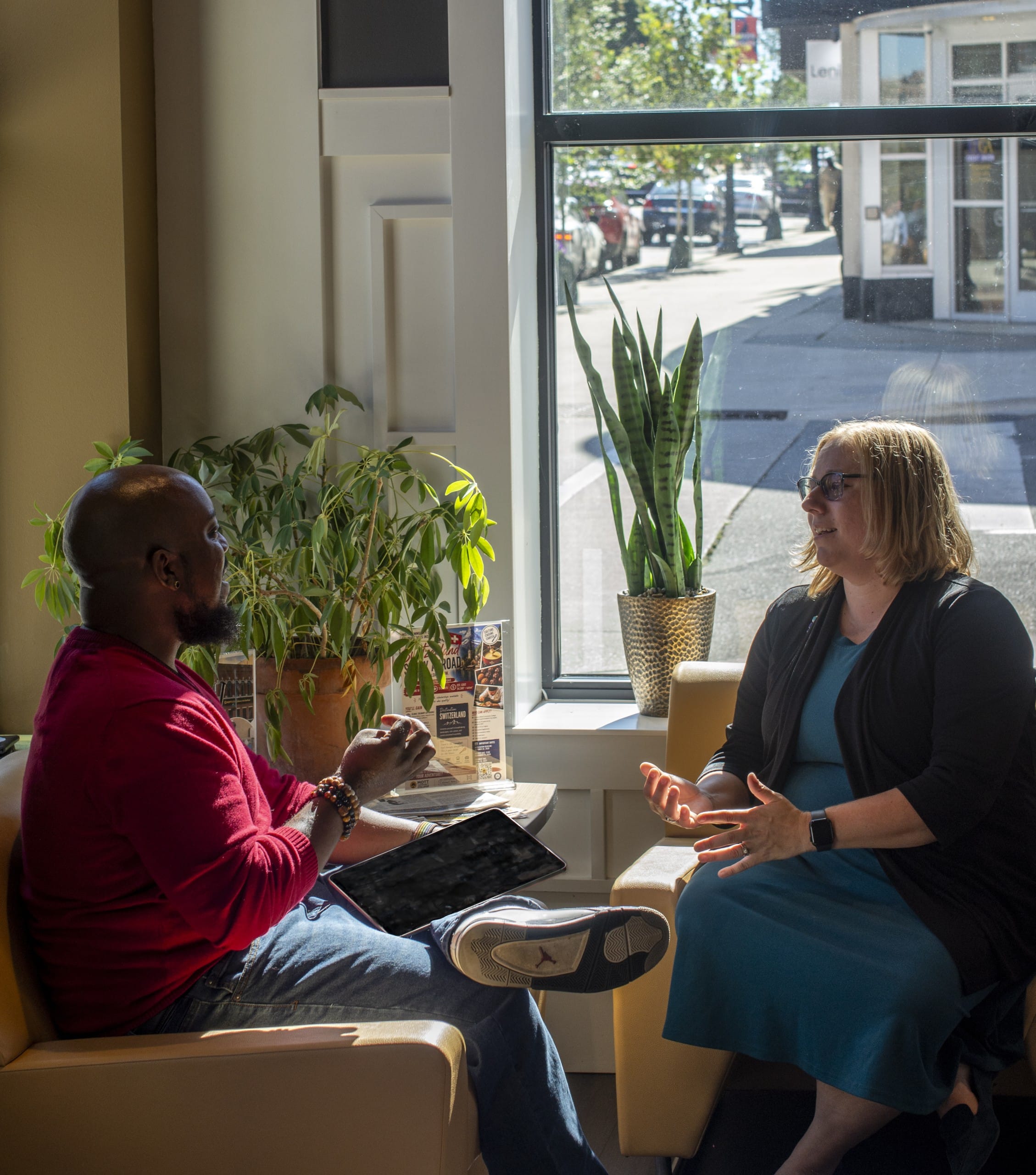
However, Prew didn’t grow up wanting to be a judge. Born across the state line in Iron Mountain, she grew up in a small Wisconsin town near the Upper Peninsula border and graduated high school in a class of about ten kids.
After graduation, she thought she’d become an educator similar to her mother, but a political science degree at the University of Wisconsin-Oshkosh led her to choose between a doctorate and law school.
In the end, she chose law school, which led her to Michigan State University College of Law, where she took a position at a small probate firm. It became the genesis of her decade in private practice, where “I kind of fell into the probate world” and ultimately developed a passion for it.
But some of her understanding of the work isn’t from her professional resume.
“There wasn’t court involvement, but I was my mother’s caregiver for the last seven years of her life. She had a plan in place — documents, powers of attorney,” Prew says. That gave her an understanding “that both people on that side of the equation are struggling — the caregiver and the patient,” and a way of applying the law “in a way that’s going to kind of harm them the least.”
This extends itself towards the LGBTQ+ community. Back in law school, Prew wrote “the equivalent of a law school thesis or dissertation on an analysis of probate codes,” comparing the codes of five states, Michigan among them, before the Supreme Court legalized same-sex marriage nationwide.
In states where same-sex couples couldn’t marry, she argued that was unconstitutional under the 14th Amendment, because “people were being treated differently based on their marital status or their sexuality for things like inheritance, medical records.” Her professor was impressed, noting her passion and understanding of probate and LGBTQ issues.
Our conversations veered into Home for Generations — the Genesee County program that helps families keep homes passed down through generations, often without clean title, from sliding into property tax foreclosure. Homeowners often discover that a house was never transferred through two or three generations, she says, and “just because you live there and pay the property taxes doesn’t mean you own it.”
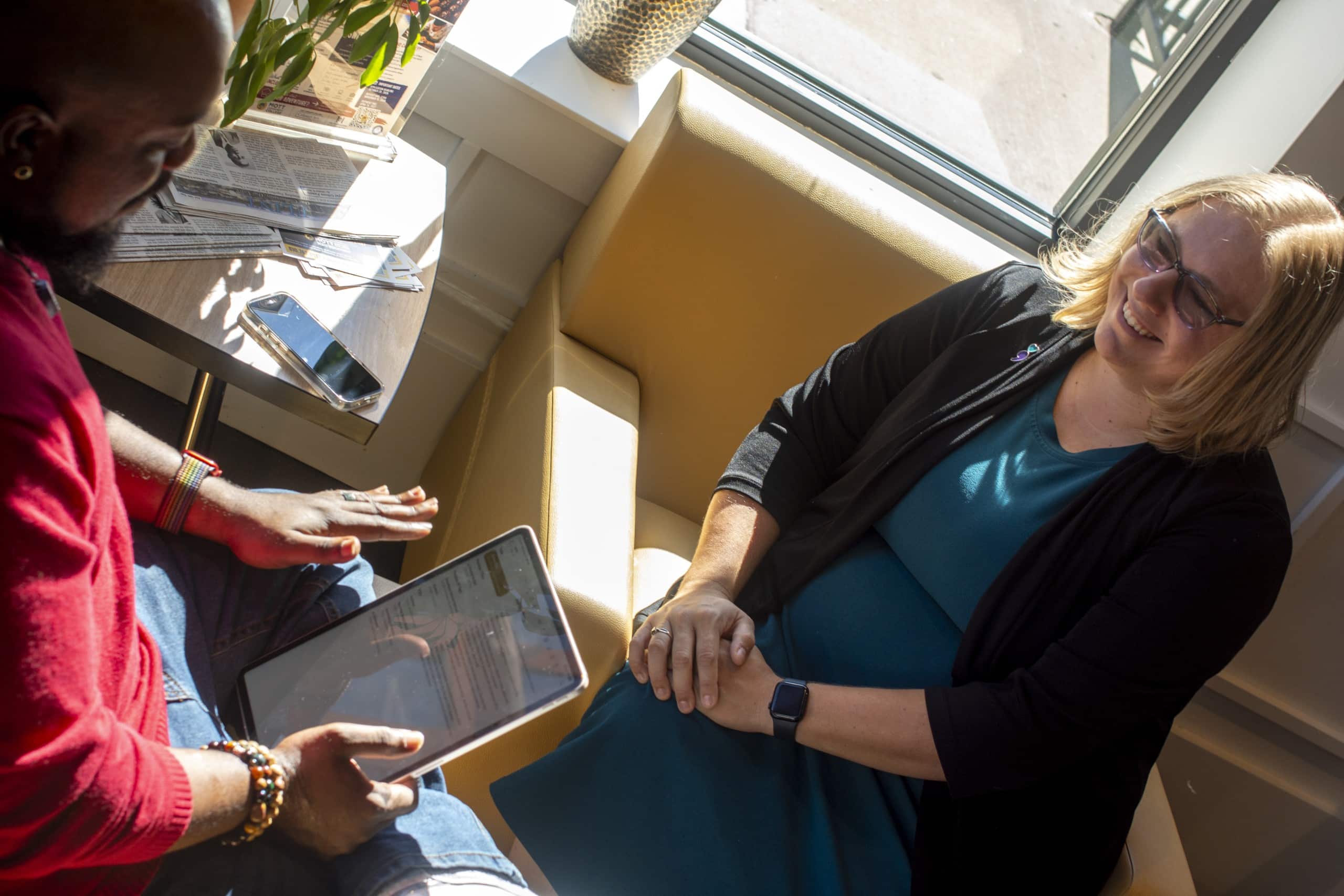
And she corrects the record before she’ll take credit. “I want to be very clear, she says. “It wasn’t my idea.” What she will claim is the follow-through on insisting on staying involved “because I want to make sure it’s done correctly so that it’s sustainable.”
I follow that with curiosity about mental health in probate court, since it runs through nearly everything she talks about. It tracks — she sits on the state’s Mental Health Diversion Council, a body appointed by the governor to help divert people out of the criminal justice system and into treatment when it’s truly their need.
The biggest takeaway from the council is getting people the treatment they need in “the least restrictive way possible,” keeping them safe “but hopefully out of the hospital.”
This is backed by Prew’s campaign colors, teal and purple, which stand for suicide prevention and mental health awareness, and “is a big deal to me.” She also wants to change the language.
“We tend to call them mental health commitment proceedings, but I want to really focus on calling them mental health treatment because I think that’s a little bit less stigmatized.”
When I ask what would change under her leadership, Prew starts with what wouldn’t.
“I don’t think there’s anything inherently wrong with how our courts are operating today,” she says. Having practiced across 10+ counties, she’d bring “ideas, a fresh perspective from our county and other counties,” particularly on the filing end, to make the court more efficient and “a little user-friendly.”
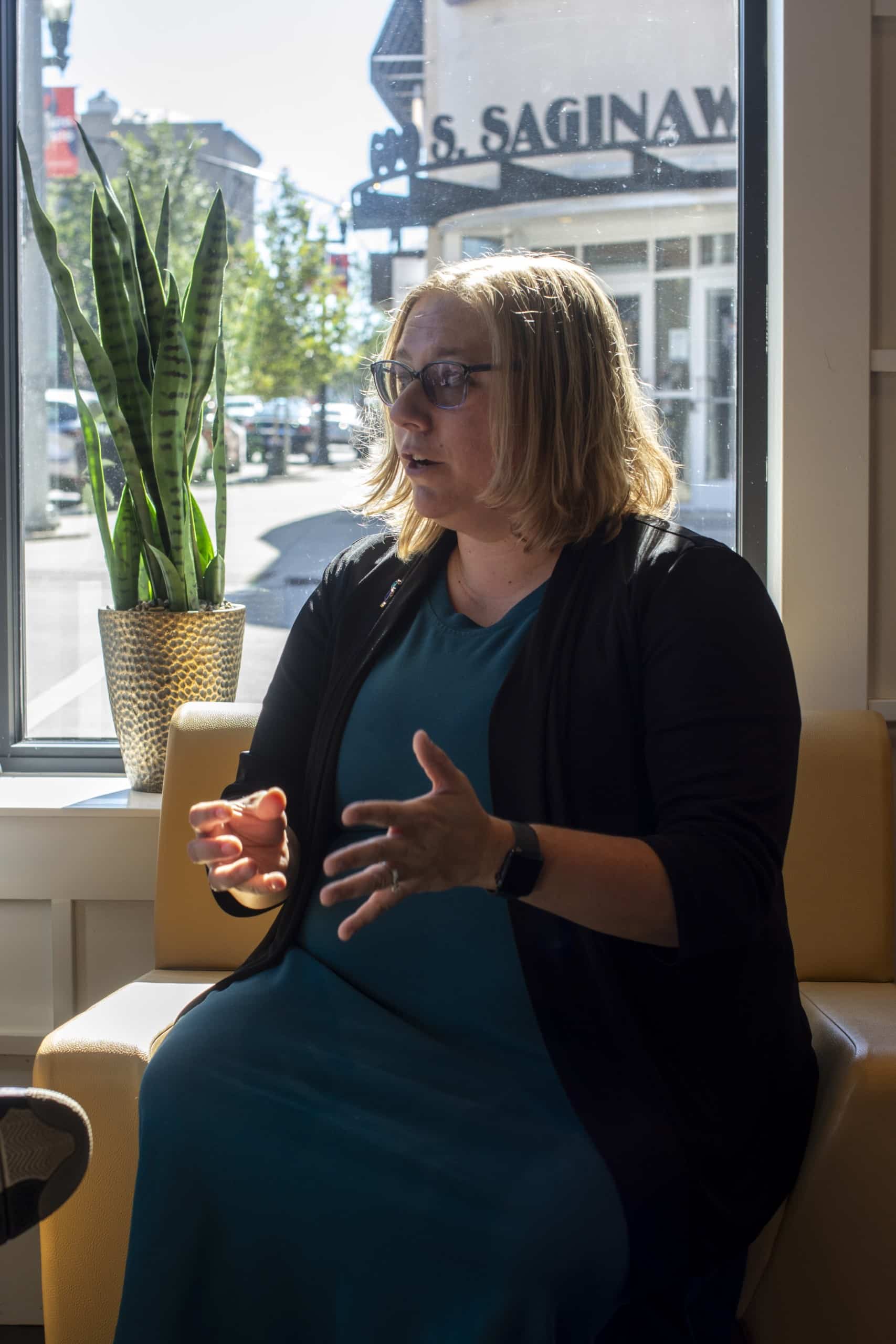
Every probate court follows the same rules, she explains, but “you would be amazed how differently different counties interpret those procedural rules.”
She elaborates that she’d work with the other probate judge on which ideas from elsewhere might help. But she’s quick to note that she doesn’t want to rush, because “if you change everything at once, it’s harder on the people coming into the court.”
Asked how she’d keep personal bias out of her decisions, Prew responds by noting it’s “all rooted in understanding everyone’s basic dignity and humanity.” Whether or not you like the person, “we all, when it’s done right, are supposed to have the same equal [and] basic rights as humans.”
While she calls it “kind of a vague answer,” she says probate cases are so fact-specific that every case is different. What matters is “what’s best for that person, not who they are, what they believe, or anything like that.”
And while judicial elections don’t get as much attention as mayoral and city council races, I ask what voters should know. Probate judges make decisions that affect daily life across the county, she says, “whether you or someone you love is in there. To have someone that knows probate law, that understands the humanity of the people, it’s so incredibly important to have that.”
That, she says, is where “that balance of legal experience and compassion” comes in.
As our conversations come to an end, I wonder what she has to say to voters who have never interacted with probate court and think it doesn’t affect them?
It “doesn’t affect them yet,” she rebuts quickly. “It can affect any one of us because we cannot predict the future or what fate has in store for our families.”
Author

Related Articles

Millages Explained: What They Are and What’s on Flint’s Nov. 3 Ballot
A breakdown of what are millages and what’s on the Nov. 3 ballot.
Flint Voter Guide 2026: What’s on the Nov. 3 Ballot
Mayor, council, state races, and millages: what Flint voters will see on the Nov. 3 ballot.
Meet the Candidates: Mott Community College Board of Trustees — Andrew Watchorn
Andrew Watchorn is one of eight candidates vying for two open seats on Mott Community College Board of Trustees.