
Meet the Candidates: Roshonda Womack
Meet the candidates seeking to lead Flint and learn where they stand on key city issues.
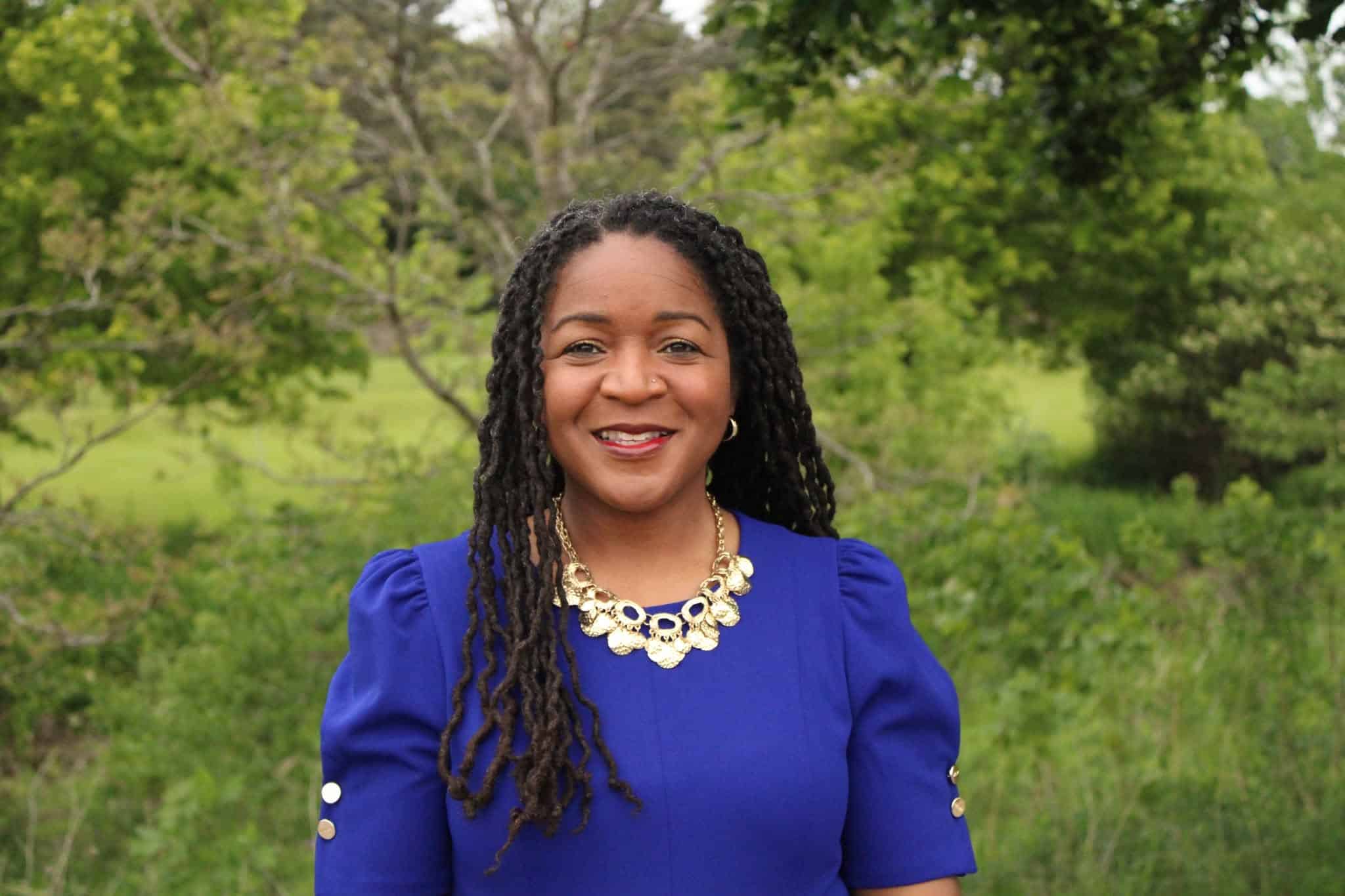
Editor’s Note: This is the second of Flintside’s Mayoral Race Interview series. In June and July, Flintside will host conversations with the 4 candidates running for Flint mayor. We’ll talk about local politics, ask what they love about Flint, how they’ll improve the city, and get to know each candidate and a bit of their story.
FLINT, Michigan — In Flint, there’s a strong emphasis on young people in our culture, politics, and community conversations. Whether the discussion centers on concern for their safety or the beautiful and eclectic art being created around the city, the focus often returns to Flint’s youth.
To Roshonda Womack, it’s that youth that is most central to the future of Flint. Young people represent growth, the opportunity for change, and the promise of a future with more love in the world.
“Young people are amazing. They’re just looking for more opportunities to learn, to grow, and to lead. So many of them are so smart, so sharp, they’re looking for an opportunity to leave an impact on this city,” she explains. “So, I think we just have to do more to provide opportunities for them to excel… We need them here to grow the city. We need their ideas, energy, creativity, and their love to make the city a better place.”
It’s that hope for the future and belief in young people that have played an essential role in Womack’s decision to run for mayor in this election cycle. She is running on a platform of “Transparency, Integrity, and Unity,” and she has carried those principles throughout all 30 years that she has been a resident of the city.
As a child of two Jamaican immigrants who found love in Flint, her father came from Florida seeking opportunities and a better life. Her mother grew up in the secluded mountains of Jamaica, where she worked for everything she had and sold her produce in markets. She dreamt of an easier life and eventually made her way to Flint.
The two met at the “Golden Fry” on Saginaw Street, where they both worked. Womack’s father was also a preacher who instilled in her the value of service and community. As the daughter of a preacher, she felt pressure from a young age to live in a morally intentional way and always move with love.
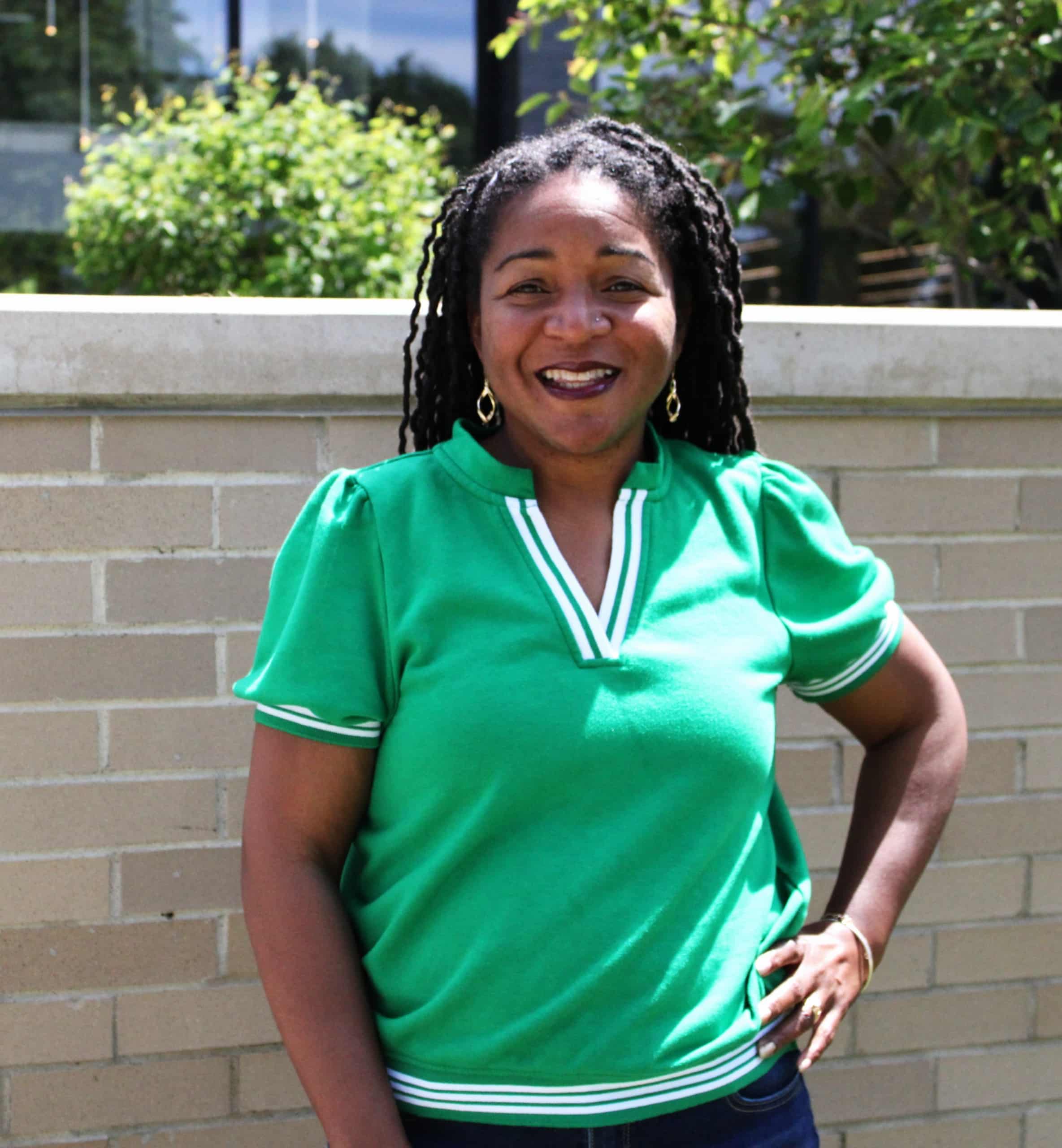
“That’s where I learned the importance of serving in your community. We were raised doing that. Whether it was cleaning the pews, polishing the bathrooms, singing in the choir, [or] even [being] a pastor,” she recalls. “Those kinds of things were ingrained in me, and I live to serve the community and give back in whatever ways I can.”
Womack is also the product of a Historically Black College and University (HBCU) education. She graduated from Grambling State University in 1995 with a degree in psychology and sociology.
After school, she had prospects of working for the CDC and traveling the nation, but the waiting period for the job was two years. In that time, she met her husband, got married, and had children. Rather than travel, she made the conscious decision to establish her family here in Flint.
“We wanted to be a part of trying to revitalize the city. If everybody leaves, then the city is just gonna die. So, my whole life and my husband’s life has been dedicated to the community and making things better.”
Womack has worked in a variety of spaces throughout Flint, but the common denominator has always been community. She began working with suicide prevention programs and has also worked in counseling, with people who are incarcerated, in the school system, and directly with children during the water crisis.
During that time, she played a pivotal role in attempting to bring justice, testing children for lead poisoning, and connecting families with resources to help mitigate the effects of the water they had consumed.
These days, Womack continues to defy labels. Though she says she truly started to get involved politically during the water crisis, her relationship to community work began much earlier, from working the polls with her mother as a teenager to her work today as a professional storyteller.
She remains dedicated to the community and wants to use her experience, knowledge, and creativity to help make Flint as fertile for growth as possible.
One of the primary issues Womack would focus on as mayor is interpersonal violence across Flint. She feels there hasn’t been enough nuance in conversations about the issue and that the problem is not as easily solved as many present it to be.
“We have to take a much broader approach to this issue. Violence increases when people are desperate. Economically, when you can’t support yourself, you may start to feel desperate,” she says. “We need to move forward strategically and approach this with a multifaceted approach. We need prevention programs and mental health services. Not just police, but we also need police that are more engaged and know how to engage with the community.”
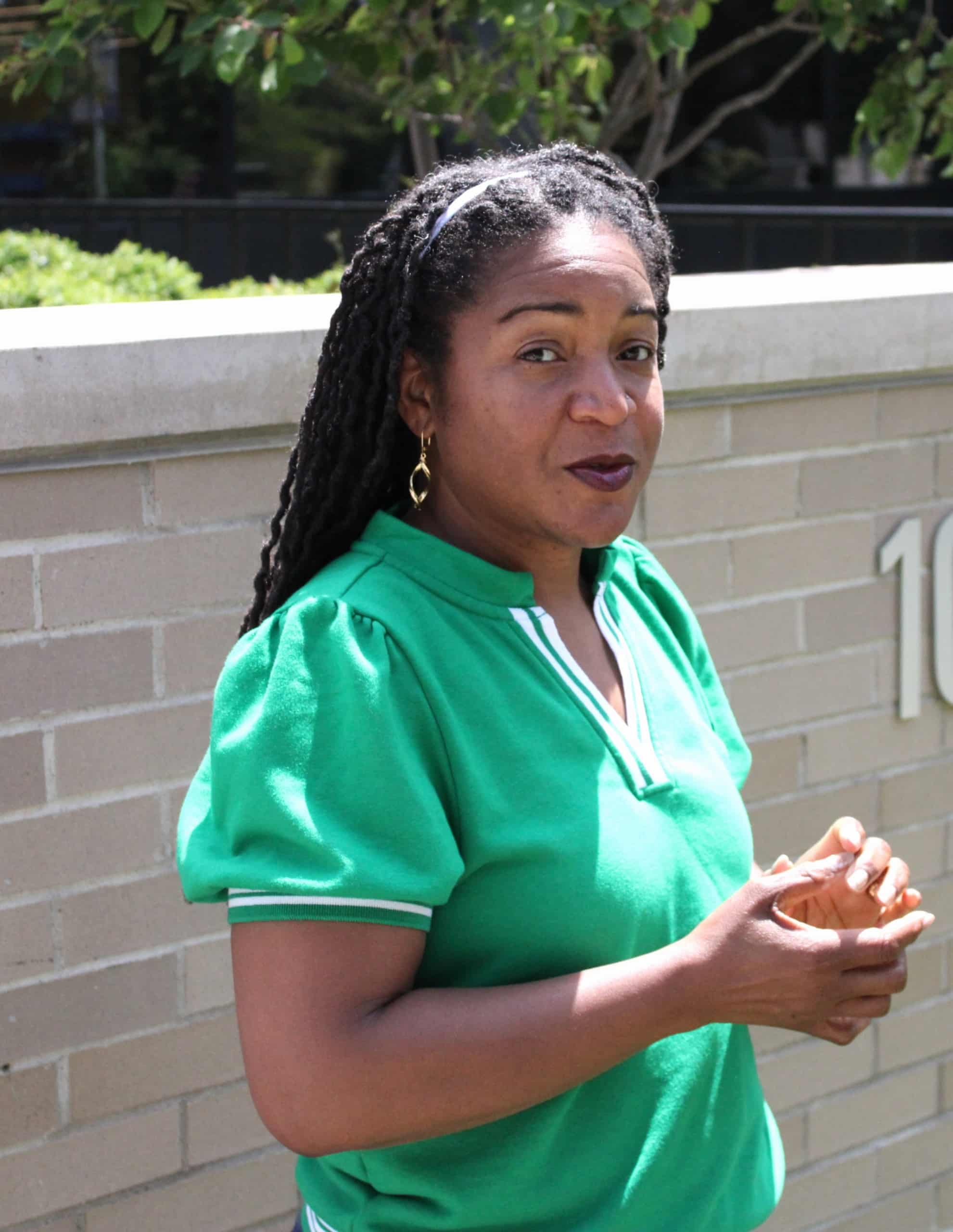
Womack takes an intersectional perspective in her approach to political issues. She believes no issue can be fully separated from another. Just as much as people blame young people for violence, many young people are also watching their peers engage in acts of violence that actively tear one another apart.
She feels there are not enough programs or safe spaces within the city for youth to connect and engage with one another. As a result, many of them dwell on the financial and economic hardships surrounding them.
When parents have to work multiple jobs and have little time to spend with their children, how are they expected to make time to effectively parent? This is why community is so integral to Womack.
One way Womack hopes to bring about change is by funding alternative spaces where people can connect outside of business. She hopes to do this, in part, by funding the arts scene across Flint.
“For local artists, I think we can do more. I think we can provide residency programs where artists are paid to develop [their work], whether it’s a new play, a gallery, or a sculpture. We want artists to spend time investing in themselves and produce the best art possible. When you have to work two or three jobs, that’s just not possible. My hope is to find grants and foundations to fund our local artists.”
This considerate approach to governing extends to city council as well. Womack hopes to bring her skills as a counselor, social worker, and storyteller to Flint’s political landscape to help end the seemingly unending cycle of conflict that has afflicted local politics.
One way she hopes to do this is by being as available as possible to Flint residents and using funds to provide education and training regarding their rights as citizens. She also wants to offer voluntary literacy training to help residents become more politically engaged.
Womack also mentioned the possibility of conflict resolution classes, as well as continuing education for elected officials in Flint.
“I would love to invite everybody in the mayor’s office and the city council to a conflict resolution program. We want to allow people to feel they can communicate freely. It’s hard to work with somebody you don’t trust. If you can trust that everybody is moving toward the same goal, if you can find that everybody in the room has a similar heart, and we start to humanize one another, when we have real conversations, it makes it easier to govern and to work together for the constituents.”
For Womack, what is clear is that her platform and movement are not just political. They are also a way for her to put more love into the world and help people feel more hope than they did before she got here.
Author

Related Articles

Flint City Council Budget passes in narrow vote on day of deadline
Flint City Council passing new budget proposal.

Meet the Candidates: Micaiah Owens
Meet the candidates seeking to lead Flint and learn where they stand on key city issues.
Flint City Council: May Roundup
Flint City Council Monthly Wrap Up! is a summary of some of the most important resolutions and happenings in the City Council.