

Partner Partner Content For Flint Patients, Hamilton Community Health Network Offers Care Beyond the Appointment
Flint patients share how Hamilton Health helped them access care, support, and healing.
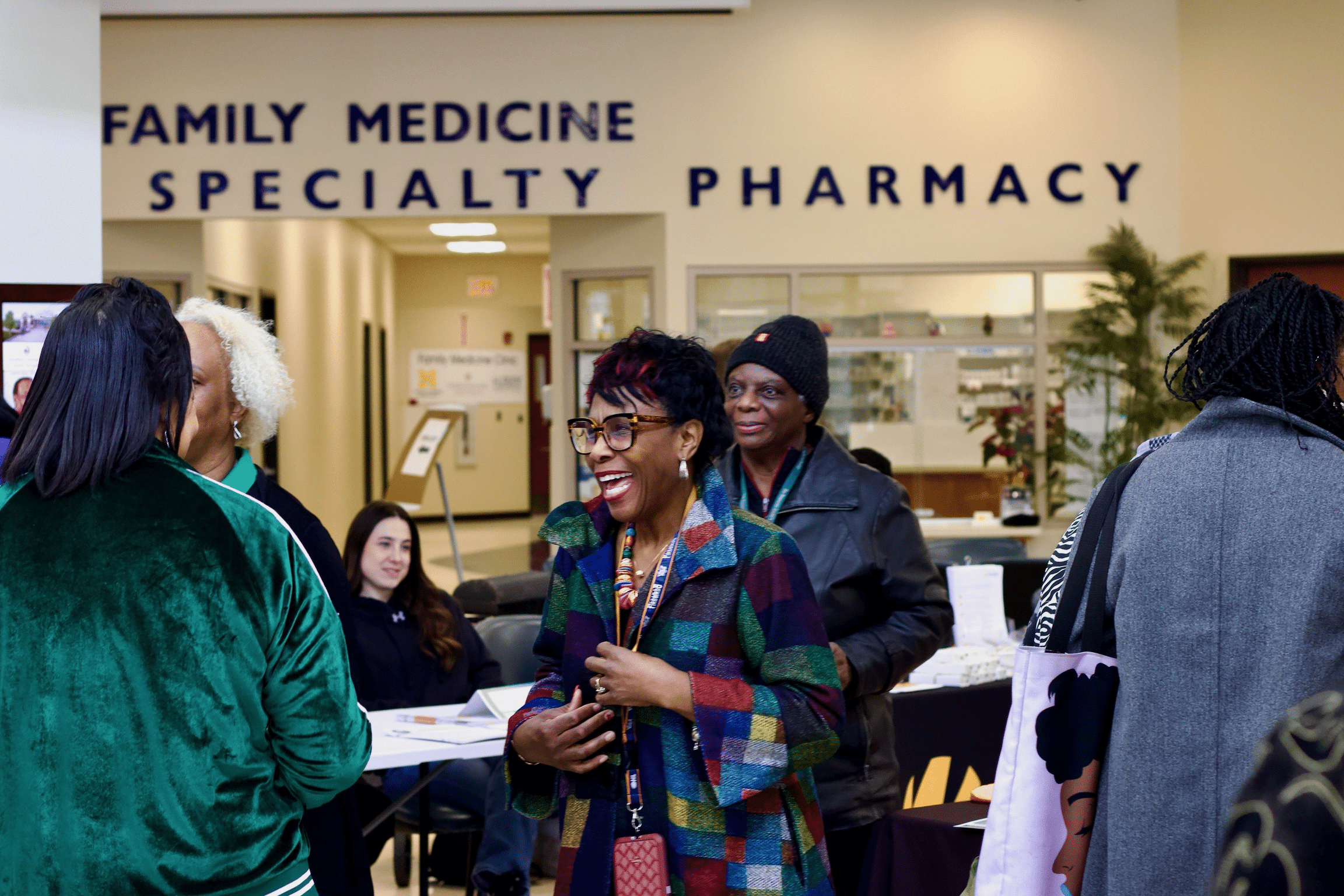
FLINT, Michigan — For many Flint residents, accessible health care can feel out of reach. Making an appointment with a doctor, dentist, or mental health provider may become one more task on an already heavy list of responsibilities. Cost, transportation, insurance barriers, past medical experiences, and mistrust can all shape whether someone seeks care in the first place.
Hamilton Community Health Network, a Federally Qualified Health Center serving Flint and surrounding communities, is one local provider working within that landscape. For some residents, Hamilton has become a consistent point of care in a city where access to affordable, patient-centered health services remains a pressing need.
For one Flint father, walking through the doors of Hamilton Health marked a shift in how he thought about wellness. Before becoming a longtime patient, going to the doctor often meant explaining symptoms repeatedly and wondering whether anyone would truly listen or follow up. After a tragic accident left him without health care, disability benefits, and in need of surgeries and long-term support, he says Hamilton became part of the process of helping him rebuild.
Flintside spoke directly with patients to better understand what care through Hamilton Community Health Network has looked like in their own lives.
Flintside: What brought you to Hamilton?
Patient: “I’ve been going to Hamilton for almost 25 years now. They’ve taken care of me since day one. I’ve had a hip replacement thanks to them, neck fusions…I’m currently being treated for diabetes, and Valerie, who does health education, got me connected to the food store. If you have diabetes, this is the best place to come. The stuff they teach is educational, and doctors really explain things well.”
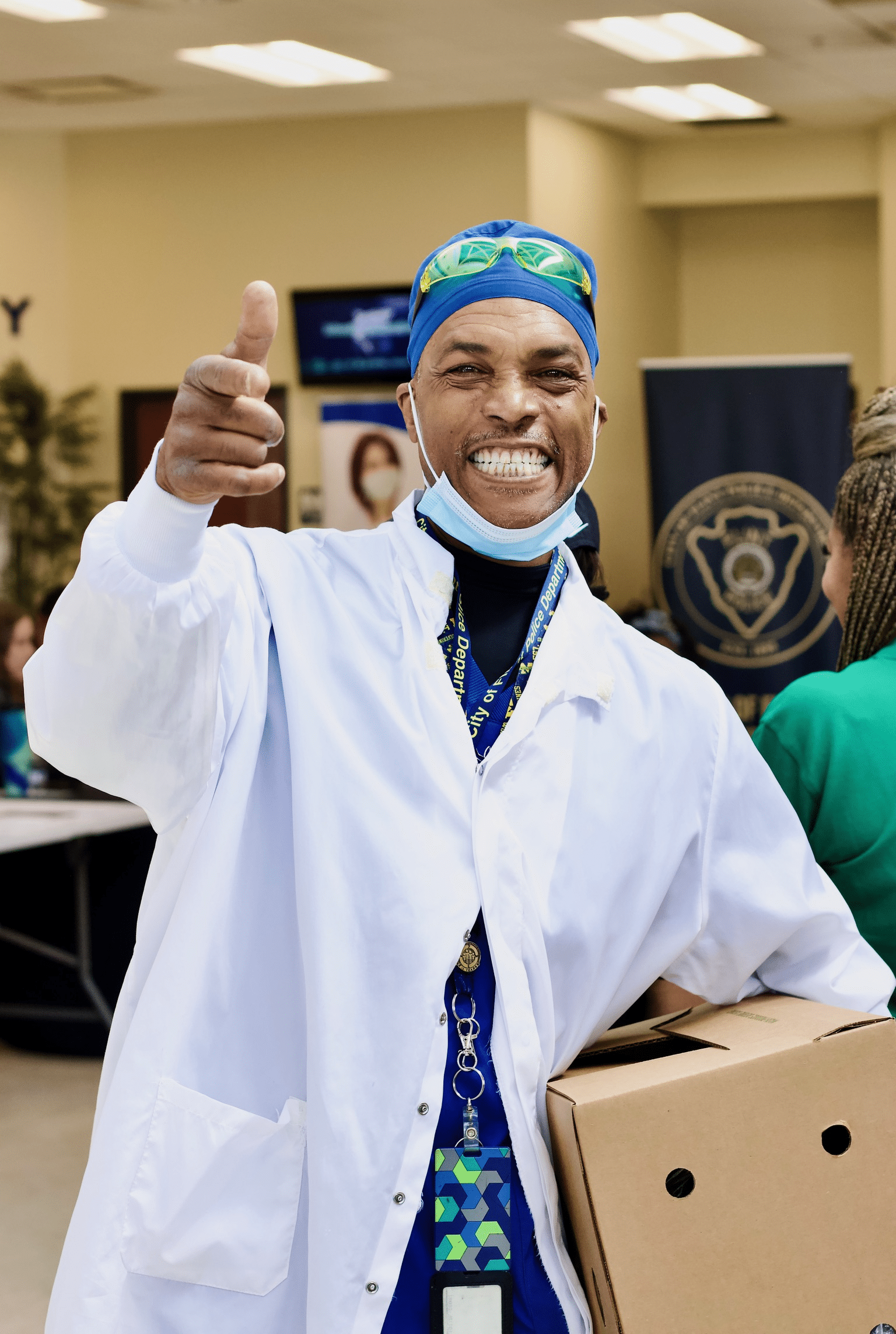
Flintside: That’s a long time to be committed to one health care provider. What has kept you here?
Patient: “The doctors. I used to go to the main clinic, and I had chemistry with everyone there. The doctor I had retired, so they connected me with someone else who was just as good. It can be hard finding a doctor that actually listens, and I have that here. I even brought my son in for care.”
Flintside: Did you face any challenges in accessing health care before coming to Hamilton Health?
Patient: “I couldn’t get on disability. I couldn’t get food stamps. They got me connected to someone that works at DHS, and they helped me through all of the steps.”
Flintside: Do you feel like your health has changed since becoming a patient, and if so, how?
Patient: “When I needed help after falling 30 feet, they got me what I needed. Then I became diabetic, and now they’re helping me with that. I was bedridden for almost five years. Because of the pain, I became addicted to pain pills. They got me into a program. Thanks to the doctors here, I got off the pain pills, and I’m nine years clean.”
RELATED: Flint to Co-design National Health Equity Research Program with Robert Wood Johnson Foundation
Flintside: Nine years is a huge accomplishment. Knowing that some males are more hesitant to be open about their health journey, is there anything that you would tell others who might be afraid to seek out health care?
Patient: “As a man, you don’t get to tell a lot of people your story. It’s freeing to get your story out and to talk to someone: a therapist or a doctor. If you don’t, the underlying ailments will catch up to you eventually, and then you wouldn’t be good to anyone.”
Flintside: Would you say your journey as a father has impacted your healthcare?
Patient: “Yes. I want to be healthy for my son. I finally got him a pediatrician. All I did was ask my own doctor, and he gave me an amazing referral. We’ve seen him twice, and he connected really well with my son.”
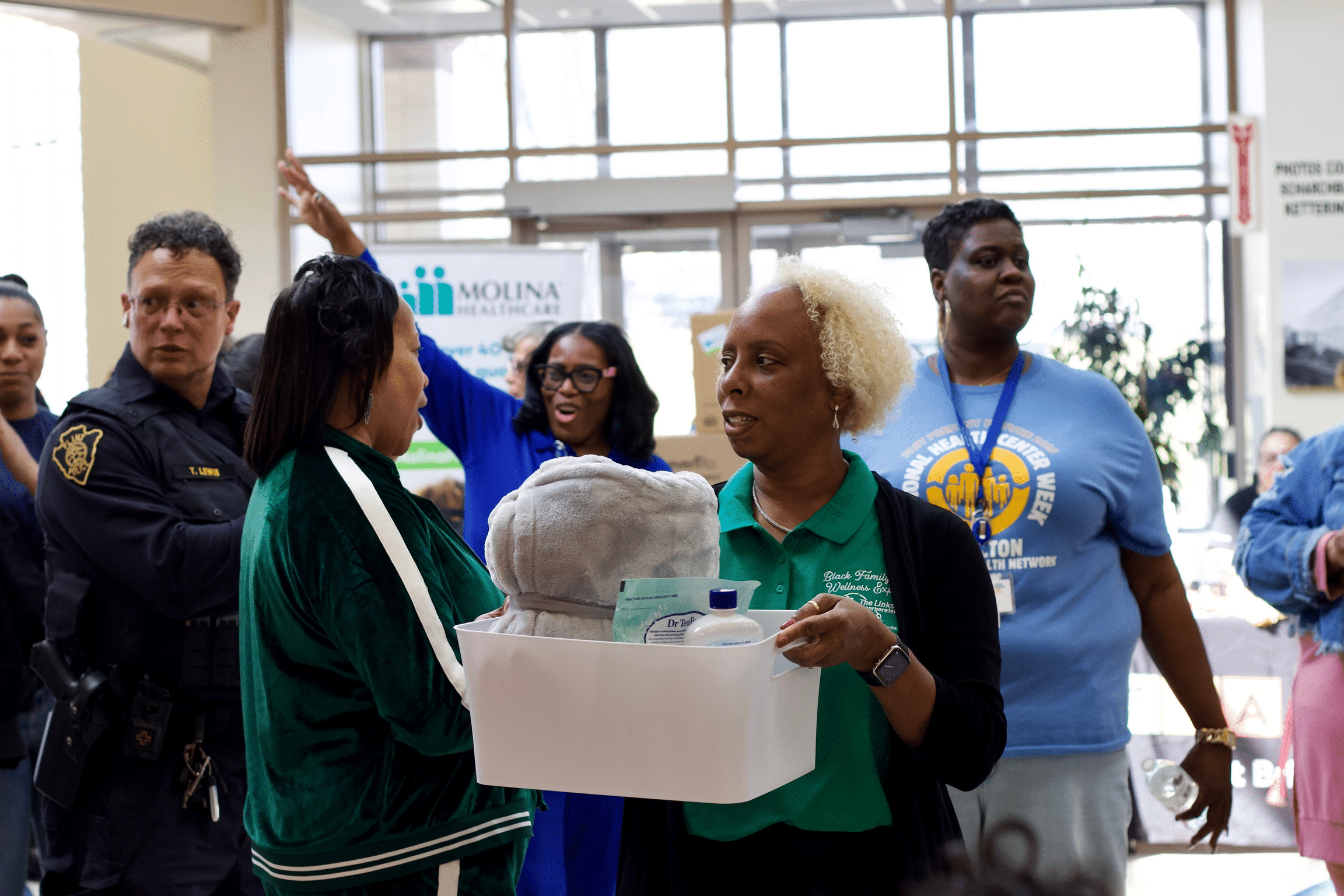
Mental Health
Hamilton Community Health Network works with patients across several areas of care, including primary care, outreach, behavioral health, and support for residents facing financial barriers. Sliding-scale fees are available to those without health insurance, and the organization also offers a homeless program that provides free health services to qualified individuals. Initial appointments can be made by phone, while walk-ins are reserved for existing patients.
Those services exist within a broader reality in which many residents are navigating multiple barriers at once. For some, the challenge is not only finding a provider but also finding one who listens, understands their circumstances, and can connect them to additional resources when needed.
RELATED: From Overdose to Outreach: How New Paths Is Meeting People Where They Are
Flintside also spoke with another patient who relies on Hamilton Health’s mental health services. After returning to Flint in 2012 and being unable to afford health insurance, she says her medical care options were limited. Hamilton became one of her first stops, and she has since received consistent care there.
After discussing the loss of her mother with her primary care physician, her doctor suggested she speak with someone and made an in-network referral for behavioral health services. Now, she speaks openly about the importance of expanding access to mental health services for others in her community.
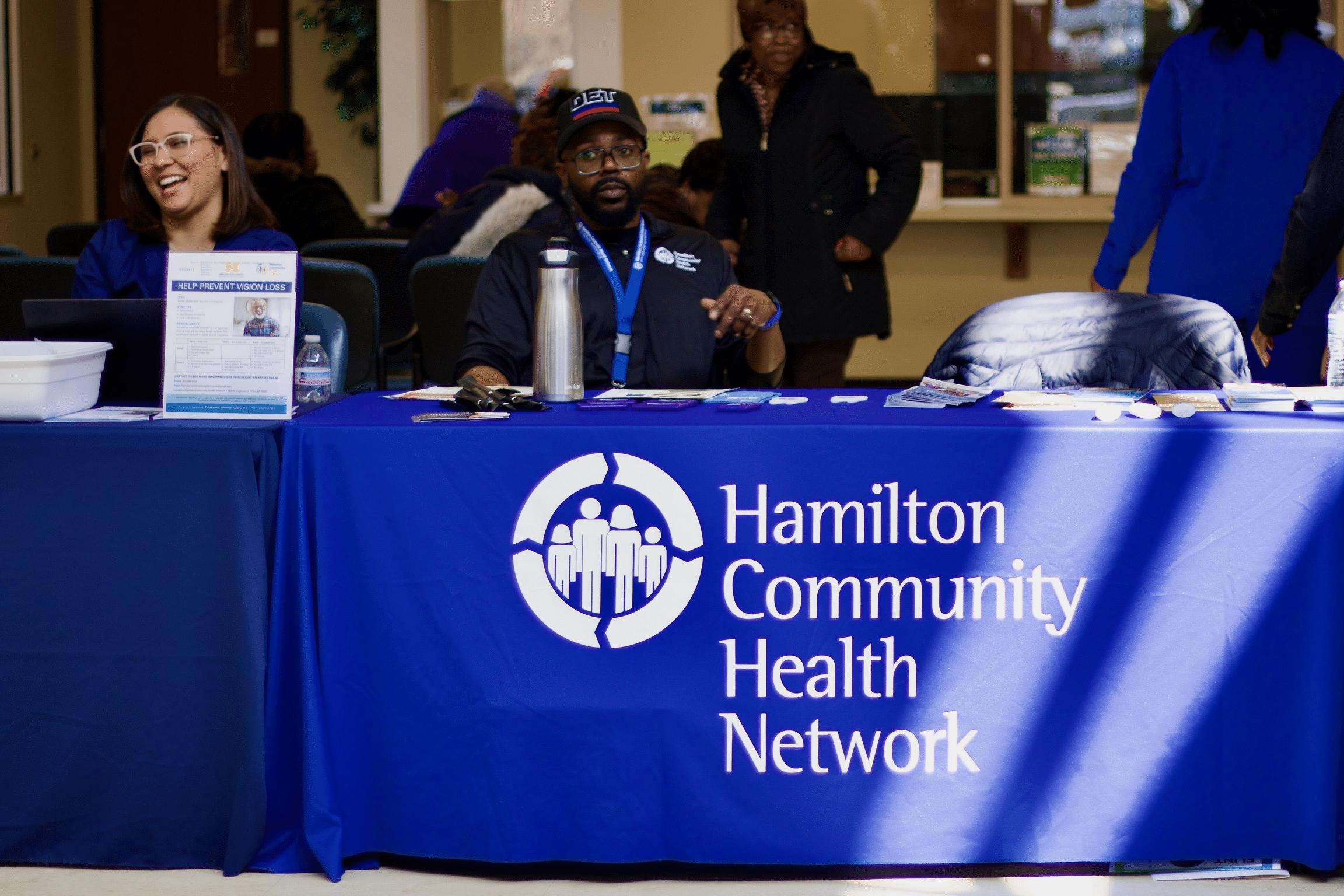
Flintside: What have the services at Hamilton Community Health Network meant for you?
Patient: “Hamilton has been a lifesaver for me because I’ve never had a job that allowed me to get off public assistance. I couldn’t afford health insurance on my own. I’ve had good experiences here, that’s why I’ve stayed so long. Every time I come here, I’m not just a number, and we need more of that in Flint; we need more providers that will listen and hear what we’re going through.”
Flintside: In the African American community, sometimes seeking mental health care can seem like unfamiliar territory and not culturally embraced. What do you say to family members or friends who might be hesitant to seek mental health care?
Patient: “Everybody needs someone to talk to. Growing up, my mother even told me, ‘You don’t talk to nobody outside this house,’ but I felt like I couldn’t talk to her. I still needed to get my feelings out. It shouldn’t be taboo for people in our community to go talk to someone. There are a lot of lives that could have been saved if they were able to talk to someone. The pot will always boil over if we keep holding everything in.”
RELATED: Holistic Health with Dr. Shan Jackson: Its Growing Impact in Flint and Beyond
Flintside: What was your experience with mental health care before coming to Hamilton?
Patient: “I went to the CMH for classes and first aid. My doctor told me I should talk to my therapist after I lost my mom, and I still talk to him every week. My care here has been amazing, but I feel like Flint doesn’t have an even playing field for residents. Especially those who are black and female.
The resources are limited beyond Hamilton. I go to other places and see the services they have and want so much more for where we live. The services here at Hamilton are just a start. I want to establish myself and buy a home for me and my grandkids so that we can begin to build that level playing field. I want to be able to mentor and help other girls and women with similar experiences.”
Flintside: Do you find it difficult to prioritize your own mental health when you wear so many other hats in your life?
Patient: “I’m 58 years old. I am a mother, a grandmother, a great-grandmother. Before I moved into my current place in 2024, I lived at a shelter. I’m still working on establishing myself, and it’s hard. Most days, I am focused on catching the bus to secure better housing for my family or getting other resources. My mother passed away at 45 from lupus. I took medication for lupus myself for two years before finding out I was misdiagnosed.
It is important for me to know my own mind and be in tune with my own body. My therapist isn’t the only person I talk to. I have a relationship with God, and I go to Grace Emmanuel Baptist Church every week. I am going to our upcoming mental health fair and signed up for help for women with anxiety and depression. I am passionate about mental health for black women. We are mothers, we are daughters, we are aunts.”
For both patients, Hamilton Community Health Network has represented more than a routine appointment. Their experiences speak to the importance of feeling heard, having access to providers, and being connected to resources that support both physical and mental health.
At the same time, their stories point to a larger need across Flint: more accessible care, more mental health support, and more providers who understand the realities residents carry when they walk through the door. Hamilton Network is one part of that local healthcare landscape, and for these patients, it has become a place where care feels personal, consistent, and connected to the realities of their lives.
Author

Related Articles
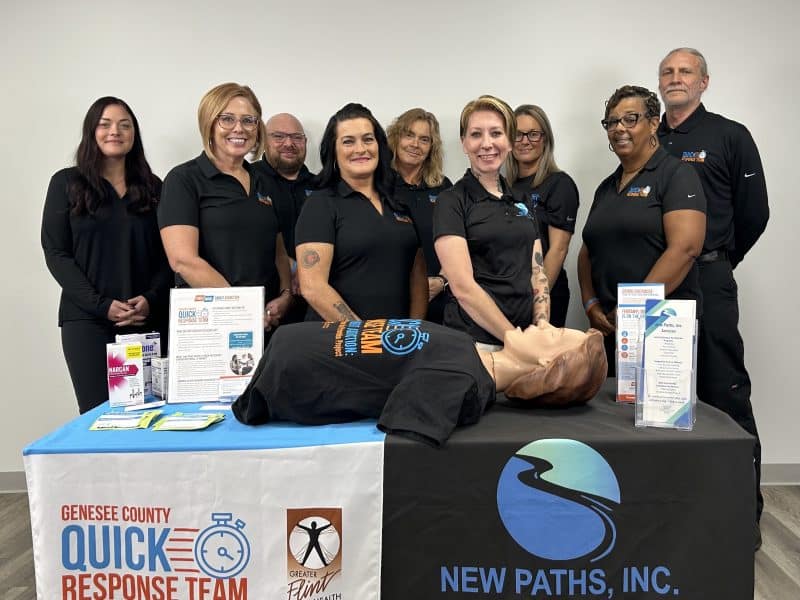
From Overdose to Outreach: How New Paths Is Meeting People Where They Are
New Paths delivers recovery support in ERs, jails, and across Flint.
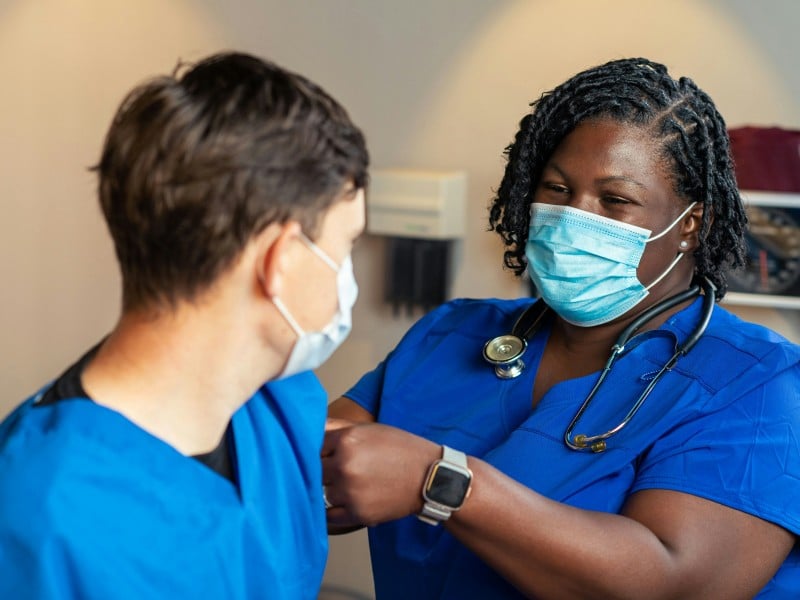
Flint to Co-design National Health Equity Research Program with Robert Wood Johnson Foundation
Flint helps co-design national health equity research, shifting power to community voices.
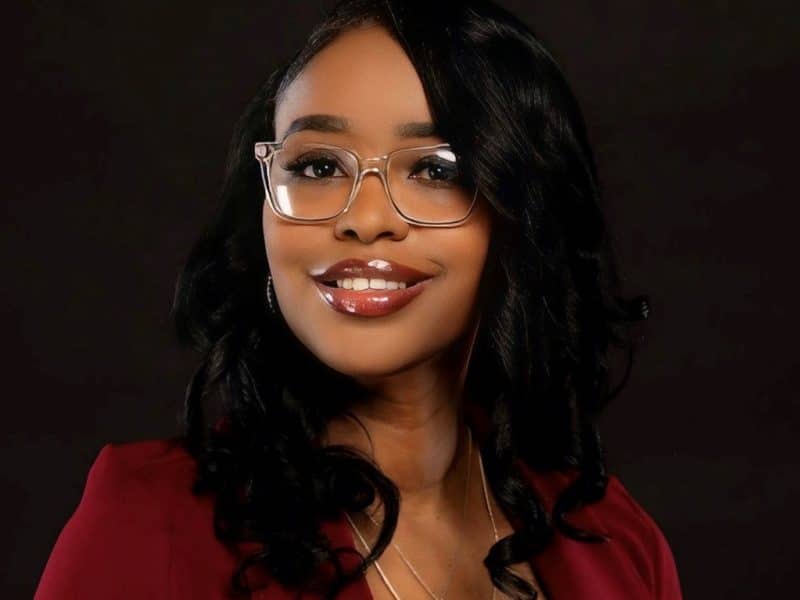
Holistic Health with Dr. Shan Jackson: Its Growing Impact in Flint and Beyond
Dr. Shan Jackson empowers youth through wellness, mentorship, and education—locally and globally.