
Meet the Candidates: Micaiah Owens
Meet the candidates seeking to lead Flint and learn where they stand on key city issues.

Editor’s Note: This is the first of Flintside’s Mayoral Race Interview series. In June and July, Flintside will host conversations with the 4 candidates running for Flint mayor. We’ll talk about local politics, ask what they love about Flint, how they’ll improve the city, and get to know each candidate and a bit of their story.
FLINT, Michigan — The primary election for Flint’s mayor is rapidly approaching, with the primary election set for Aug. 4, 2026, and the general election Nov. 3, 2026. Incumbent Mayor Sheldon Neely is facing competition from candidates Deltonya Burns, Roshonda Womack, and Micaiah Owens.
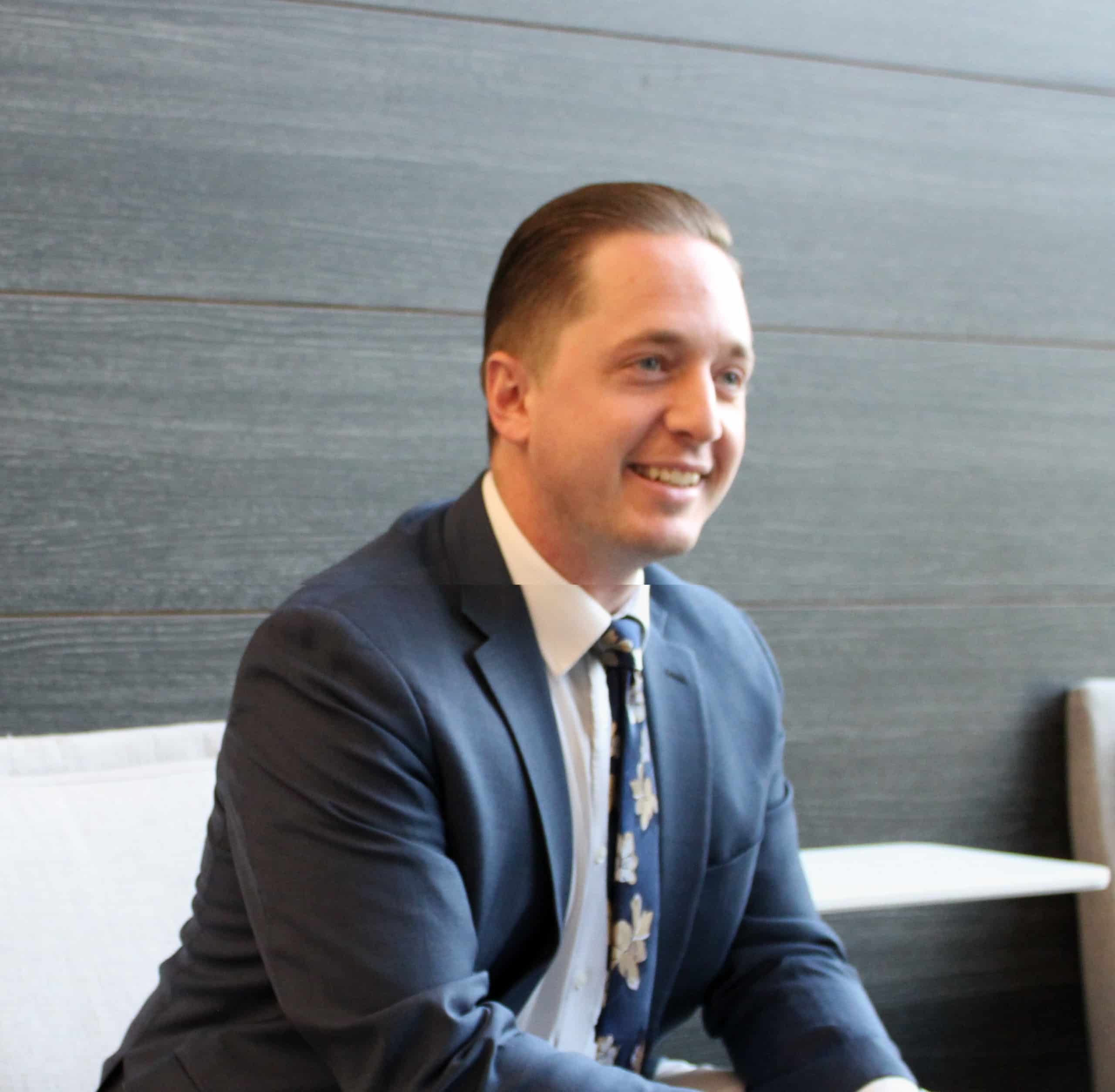
Owens is a lifelong Michigan resident who moved to Flint’s Cultural Center area two years ago to be closer to his in-laws. Owens’ father was an ordained minister and factory worker, while his mother was a homemaker who homeschooled him and his five siblings.
He grew up in a rural area near Three Rivers in the state’s southwestern region. This upbringing instilled in Owens a strong faith in God and a work ethic that led him to attend Pensacola Christian College for undergraduate studies and eventually graduate from Michigan State University’s Law School.
Owens has been a practicing lawyer for over a decade and currently works for Rickard, Denney, Leichliter, Childers & Bosch. He graduated from Michigan State University with multiple awards and specializes primarily in municipal law, among other fields. In Dec. 2025, Owens felt called to run for Mayor of Flint in the upcoming summer election.
Flintside sat down with Owens to hear his story and discuss Flint and the issues facing the city.
Flintside: What has shaped your connection to Flint?
Owens: “I live here and pay taxes here. I’m not originally from Flint, but I am from Michigan. I am a firm believer in the greatness of Michigan and Flint. I’m old enough to remember how great Flint was. I’m old enough to remember how great Michigan used to be, but young enough to recognize how much things have changed… Flint used to be a place where you’d come to build your dreams, but now people are running away from Flint. The window for change is closing, so I decided I wanted to run.”
Flintside: What is your favorite memory associated with Flint?
Owens: “The spirit of the people. Flint, for all its flaws, you will never struggle to find kind and passionate people. We’re a city of people who knew what was right and stood up and sacrificed for it. Along with that, if you have a place built upon principle, you will not fail to find kindness in that place. So, when my wife and I first moved into the neighborhood, my wife let me know somebody was at our door, and I saw it was the neighbors standing with a plate of brownies. I thought, ‘Where have I moved that has such kind people?’ It’s a small memory, but I think those people are the reason people have hope for Flint.”
Flintside: How did you first get involved with politics?
Owens: “I’ve advised governments on how they should run for almost a decade. Municipal law—that’s what I do. When a government needs advice on how to proceed legally, I’m who they call. I provide them with what the law says they should do and how they should proceed. So, I’m not a career politician. I’m somebody whose career is to instruct politicians on how to best serve their people and serve them well.”
Flintside: What made you decide now was the time to run for Mayor of Flint?
Owens: “I started to realize that the current administration wasn’t fulfilling the duties taxpayers were paying for. I remember I called the administration about my sidewalk and left messages. Nobody would even answer me. That was bothersome. I started to go to municipal meetings and keep track of press conferences.
I would notice that the administration would bring something to council, and when the council would doubt it or have questions about it, the administration would do a news conference about how the council was standing in the way of progress and would be completely unprepared to answer any sort of criticism. That’s a waste of taxpayer money. They deserve leadership that has answers and comes prepared.”
Flintside: How would you make policy decisions and funding decisions more transparent for citizens?
Owens: “Firstly, the most important thing is following the law. Michigan has the Open Meetings Act, that requires all city council meetings to be open to the public. Which I’m a big fan of. One of the things I want to do as mayor is to institute a monthly town hall where residents can bring their issues directly [to me]. What’s happening right now is that when residents have a problem, they’re going straight to the council and yelling at them. That’s really a problem with the administration.”
According to Michigan.gov and Michigan Legislature, the Open Meetings Act “requires certain public bodies to conduct nearly all business at meetings open to the public; to require notice and the keeping of minutes of meetings; to provide for enforcement; to provide for invalidation of governmental decisions under certain circumstances; to provide penalties; and to repeal certain acts and parts of acts.”
Flintside: What is the most pressing issue(s) facing Flint today?
Owens: “Aside from roads, the most common complaint I hear is the cost of living. People will work 40 hours a week and only make $15 an hour, yet can barely afford their rent. I would say the two most important things are finally fixing the water and actually enabling people to afford their lives.”
Flintside: What would you do to address these problems?
Owens: “First, I’d like to hire an engineer to evaluate our water systems. In addition to that, we need to do an efficiency audit to see how we can fix the cost-of-living situation. So, along with the audit, I’d like to hire somebody to fix the roads and reinforce local business growth, as well as enticing businesses from outside.
I’d also like to reinforce more law enforcement presence across the city… I’d also like to hire an ombudsperson. The whole purpose of that position is to hold the council accountable to the will of the people. Without it, you are betraying the sacred duties you have to the residents of Flint.”
According to Judiciaries Worldwide, an Ombudsperson “serve(s) as defenders of individual and human rights. They can be an independent institution within a government agency or a separate entity. Public ombudsmen receive, review, and investigate complaints concerning governmental officials and institutions. If a complaint is meritorious, the ombudsman presents recommendations for corrective actions. However, ombudsmen do not have enforcement authority.”
The City of Flint has not had an Ombudsperson since Tané Dorsey’s resignation in 2022. However, the city has since been directing all Ombudsperson complaints to the Ethics and Accountability Board (EAB). The City Council deliberated on hiring another Ombudsperson as recently as May of 2026.
Flintside: What would you do to improve voting rights and voter engagement in Flint?
Owens: “Regular town halls and the Ombudsperson. I think having those roles is essential in helping residents engage politically. I think as far as engagement, billboards are good, as well as political engagement on social media.”
Flintside: How would you define blight and how would you address it?
Owens: “I would define blight as uninhabited buildings or buildings that have burned out. If you think that having a nice downtown is gonna attract new investment, when investors have to drive through burnt-down buildings, they’re not gonna come. That’s what I’m hearing from investors: it’s not worth it.
We have to have quality services across the city in a balanced fashion. There’s also the litter issue that gets lumped in with blight. As for blight, I think we should be moving the city forward as far as investment. As we remove houses, we should remove buildings in the thoroughfares. Many businesses are not moving into Flint because of the blight.
As to the litter, we have ordinances that are not being enforced. The problem is that if we let the businesses get away with it, it communicates to the people that it’s okay to throw trash anywhere. It gets in your psyche, and I think it results in depression. I think it gets to the kids.”
Flintside: What do you feel is the best strategy to improve public safety in Flint?
Owens: “We honestly don’t have enough officers on the road. As we all know, the officers are not spread across the city equally, with a heavy emphasis on downtown. Many people have told me they’ve never seen a police officer on their street. Right now, we have a reactive form of policing.
There’s no proactive presence in the community to communicate an active deterrent of crime. Some people will argue it’s due to a lack of funding. We need more community policing, which means establishing relationships with residents where the only time you see an officer isn’t when they show up to arrest somebody.”
As of March 2026, officers received a 7% pay increase for the fiscal year dating back to July 2025, followed by an additional 6% pay increase in 2026-27, and the elimination of the lowest step of the wage scale, effectively raising pay for new hires.
Flintside: What public works projects do you have in mind for the City of Flint?
Owens: “Investing in the roads as well as reevaluating the state of the water.”
Flintside: What do you have in mind to ensure the vibrancy of Flint’s arts and culture scene?
Owens: “I think increasing public safety. People don’t feel safe using places like the Cultural Center, downtown, restaurants, parks, or even schools because of the threat of violence. As well as the water, people need to know they can drink the water.”
Flintside: What is one thing that has been going well politically in Flint?
Owens: “The marijuana enforcement. There isn’t a place in Flint where you will really smell the dispensaries, and the city has worked well with businesses to maintain clean establishments.”
Flintside: What have they struggled with?
Owens: “They’ve failed to finish the water project. There is no teamwork—it’s nonexistent. They’ve failed to communicate with residents, and they’ve failed to provide proper public safety through law enforcement.”
Flintside: Is there anything you’d like to share with Flint residents?
Owens: “If you are ready to have a government that has your back and is accessible and accountable, the present administration is not going to do that. The time is now. If I’m elected, I will do my very best.”
Author

Related Articles
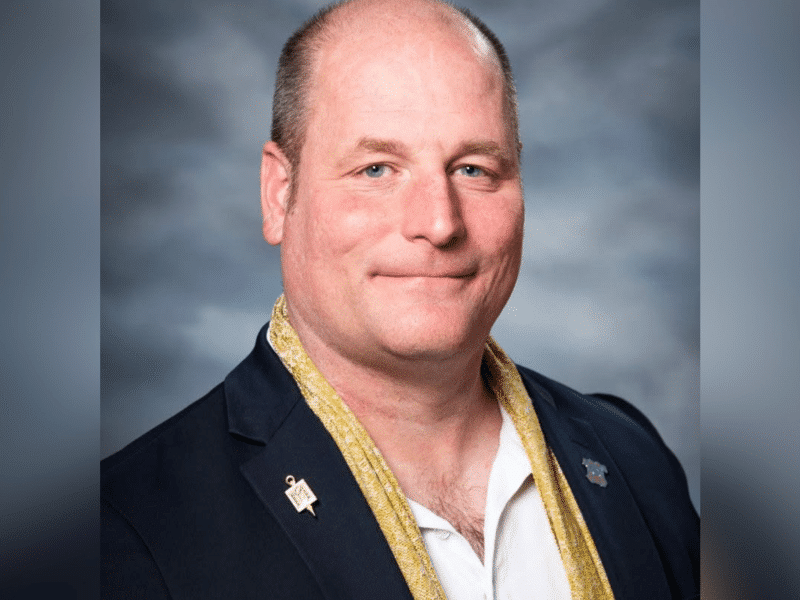
Meet the Candidates: Mott Community College Board of Trustees — Andrew Watchorn
Andrew Watchorn is one of eight candidates vying for two open seats on Mott Community College Board of Trustees.
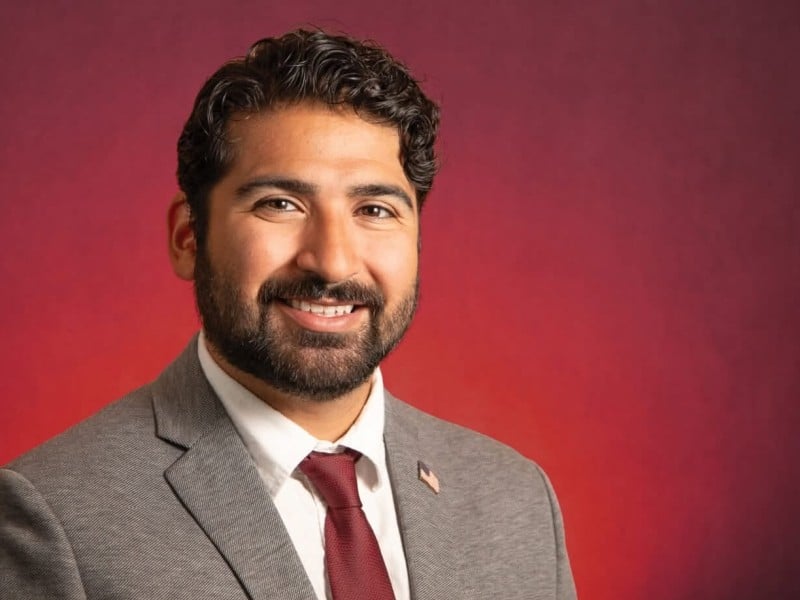
Meet the Candidates: Mott Community College Board of Trustees — Santino Guerra
Santino Guerra is one of eight candidates vying for two open seats on Mott Community College Board of Trustees.
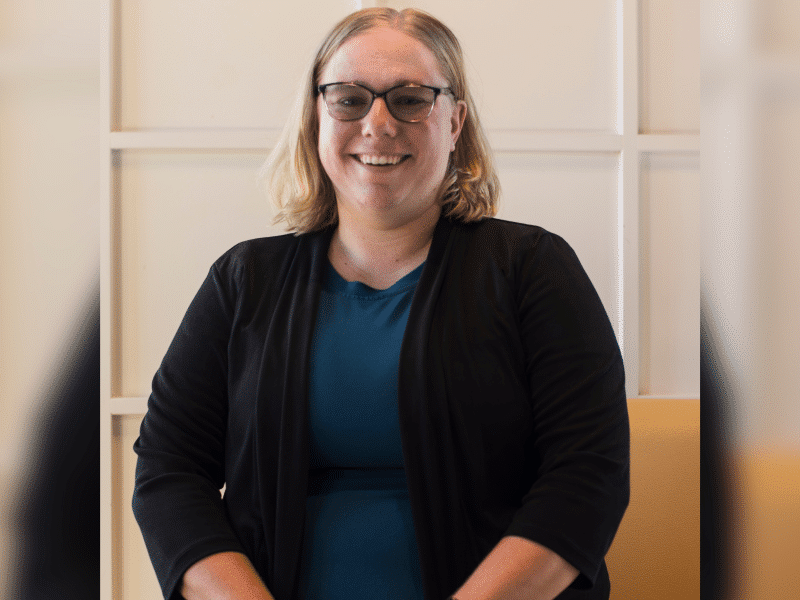
Meet the Candidates: Genesee County Probate Court Judge — Ashley Prew
Meet Ashley Prew, a candidate running for Genesee County Probate Court Judge on the Nov. 3 ballot.