Community elders and Southwestern students share their stories for “Stories of Survivors” event
“There is great power in sharing your story.” Community elders and Southwestern high school students came together to share their stories during the “Stories of Survivors: Bridging the Generation Gap Through Storytelling” event.
This story series, Gray Matters, is produced in partnership with Valley Area Agency on Aging (VAAA) and focuses on our aging population and the people who care for them. To learn more about VAAA’s programs and services, please call: (810) 239-7671.
FLINT, Michigan — On Friday, Dec. 8 at the Gloria Coles Flint Public Library, the Greater Flint Health Coalition (GFHC) held a soft launch of their new Black, Indigenous, and People of Color (BIPOC) Mental Health Initiatives. The event titled “Stories of Survivors: Bridging the Generation Gap Through Storytelling” is an inter-generational opportunity for youth and elders of Flint to connect, grow, learn, and heal from one another through the power of storytelling.
Sponsored by the GFHC, Flint & Genesee REACH, Flint ReCAST, The City of Flint, and Molina Healthcare, the storytelling event saw a big turnout of students through its partnership with the Flint Community School District’s last remaining high school, Southwestern Classical Academy, and staff from the Flint Center for Educational Excellence (FCEC).
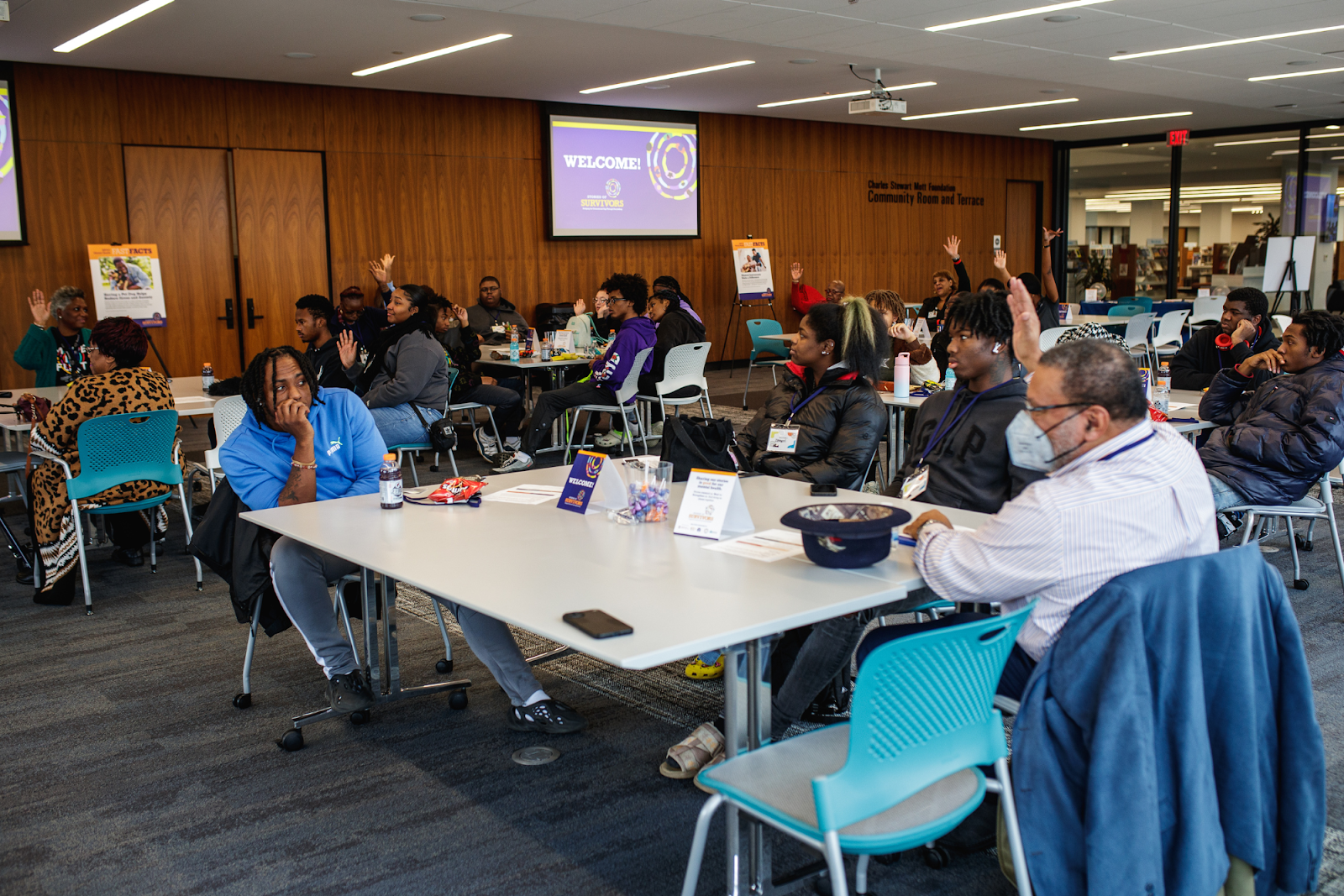
“The BIPOC Mental Health Stories of Survivors event was impactful and empowering in bridging in-depth conversations between local elders and youth. The event provides an opportunity for dialogue in raising mental health awareness, promoting positive affirmation, and healing through storytelling,” says the Outreach Coordinator for GFHC, Doron Pratt. “The interactive, hands-on breakout sessions gave youth tangible skills and knowledge to articulate their stories.”
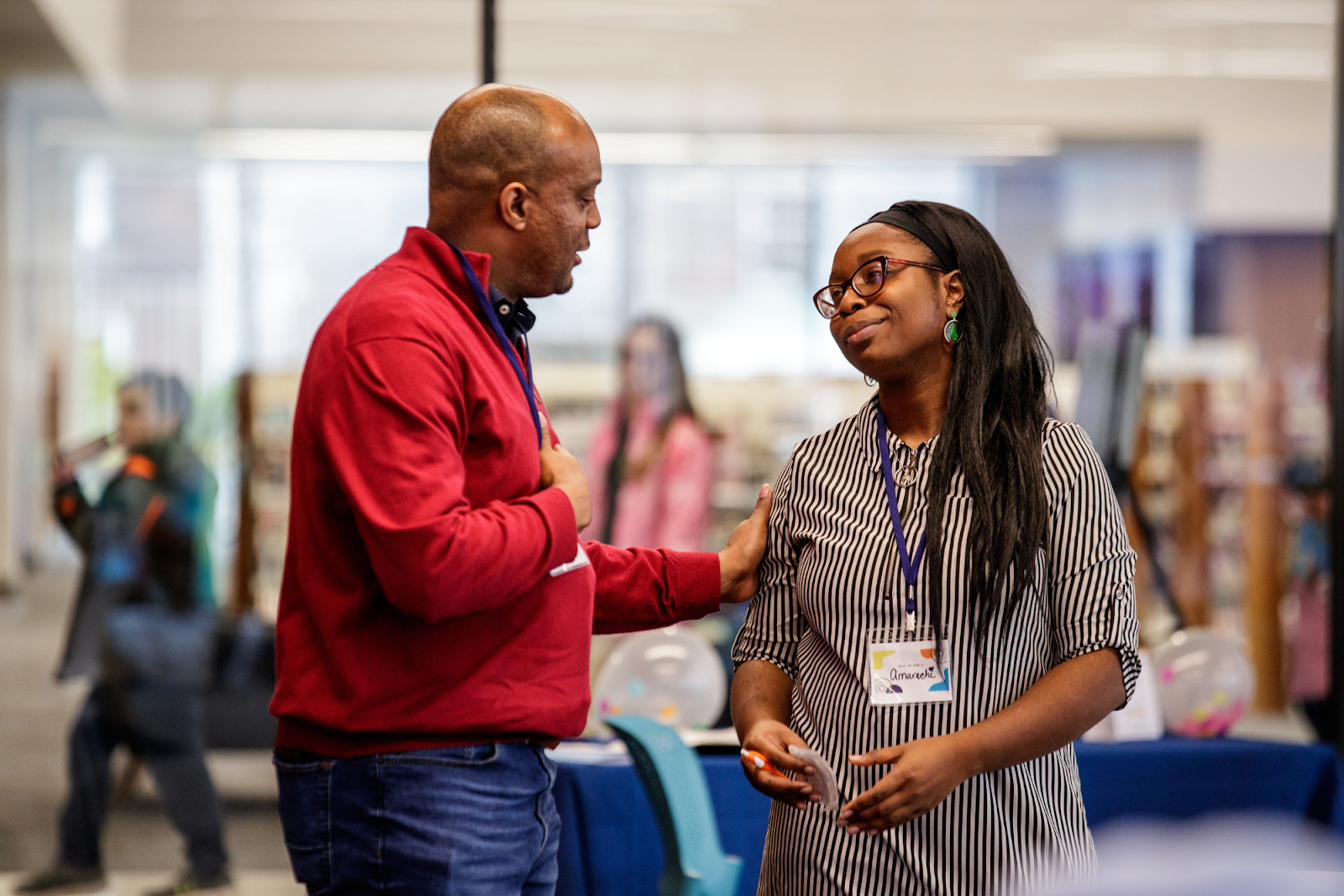
The event opened with a mindfulness meditation designed to bring everyone’s awareness into the present and give space for the storytellers. REACH’s Project Manager, Amarachi Wachuku, took the stage to offer details about the event, reminding attendees to read the multiple posters labeled BIPOC Mental Health Fast Facts. Sourced from Mental Health America’s 2023 BIPOC Mental Health Month Toolkit, some of the “fast facts” were:
- In May of 2008, the U.S. House of Representatives formally recognized July as BIPOC Mental Health Month with the original title of “Bebe Moore Campbell National Minority Mental Health Awareness Month.”
- The mental health community is endeavoring to remove the terms “minority” and “marginalized” when referring to BIPOC individuals. Using “Person First” language prioritizes the identity of individuals.
- The state of Michigan ranks #11 on the country’s scale of need and access to mental health services.
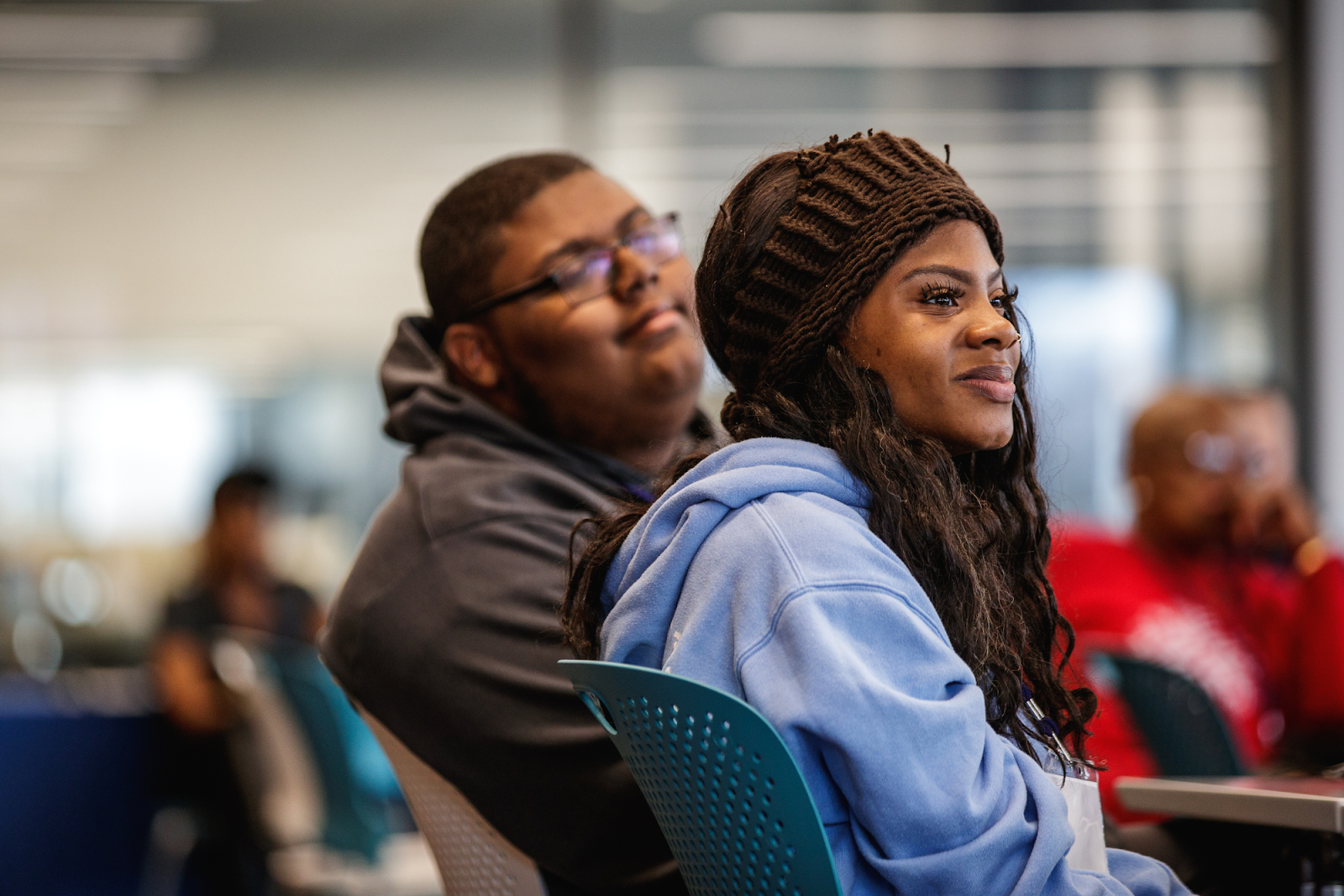
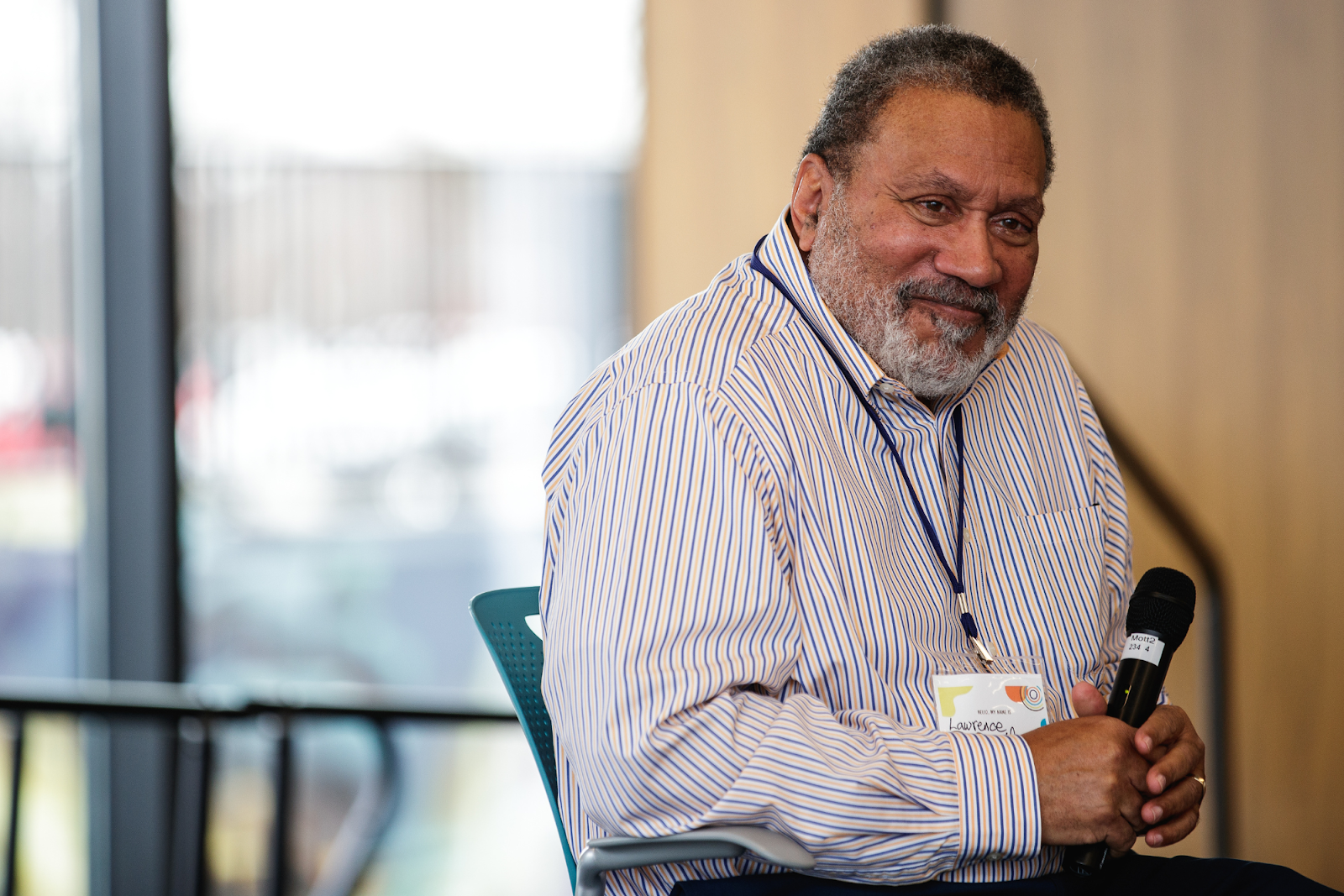
During the event, students and community members engaged in small icebreaker activities to get to know each other through sharing bite-sized facts about their lives, followed by lunch and a dance celebration. The event’s stars were the storytellers, who shared their experiences of growing up, how they survived and overcame the struggles in their lives, how others have inspired them, and their successes and failures. Flint residents Dr. Lawrence Reynolds, Dr. Jackie Reynolds, and Ms. Maxine Fairley were key storytellers.
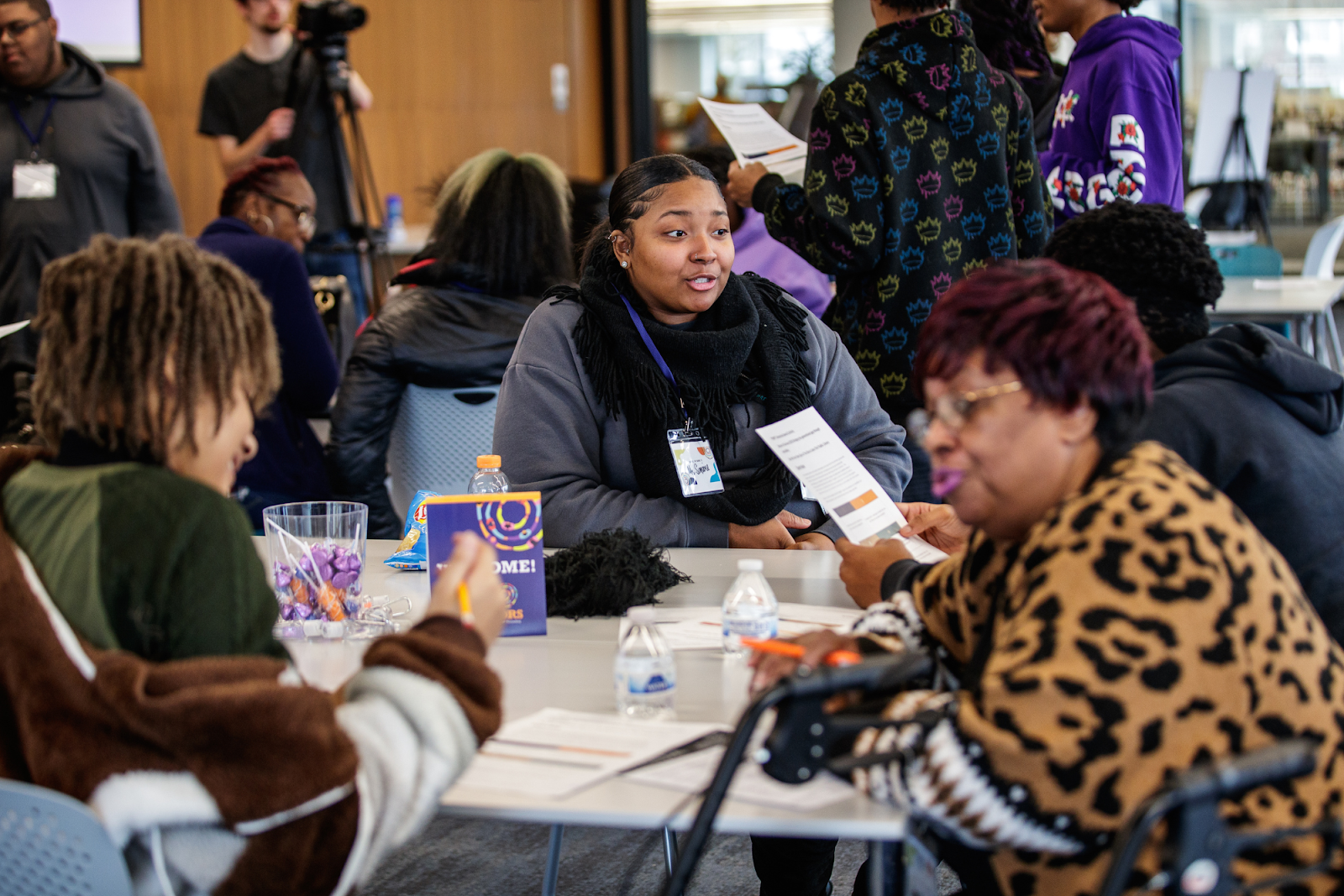
“The genuine connections, raw conversations, and even tears exchanged during this event from elder to youth truly inspired us as a team to continue moving forward with this initiative. This experience has taught us that each generation has something to glean and learn from one another. There is great power in sharing your story,” says Wachuku. “Oral history sharing can be effective in helping alleviate stress and help youth navigate traumatic experiences in life.”
To learn more about GFHC and Flint & Genesee REACH, check out their websites.
Author

Related Articles
King Avenue PLUS Builds Community Momentum Along Flint’s MLK Corridor
King Avenue PLUS brings vendors, resources, and community connection to Flint’s MLK corridor.
Factory Two looks forward to connecting more makers, innovators, and dreamers in Flint
Factory Two continues building Flint’s maker culture through tools, classes, and community repair.
Rooted in Culture, Driven by Justice: Inside the Arab American Heritage Council
For more than 40 years, the Arab American Heritage Council has preserved culture, supported immigrant families, and built community power in Flint.