
Vehicle City Voices: Black Women of Flint — Dr. Karen Weaver
Dr. Karen Weaver reflects on leadership, Flint’s future, and the power of using her voice.
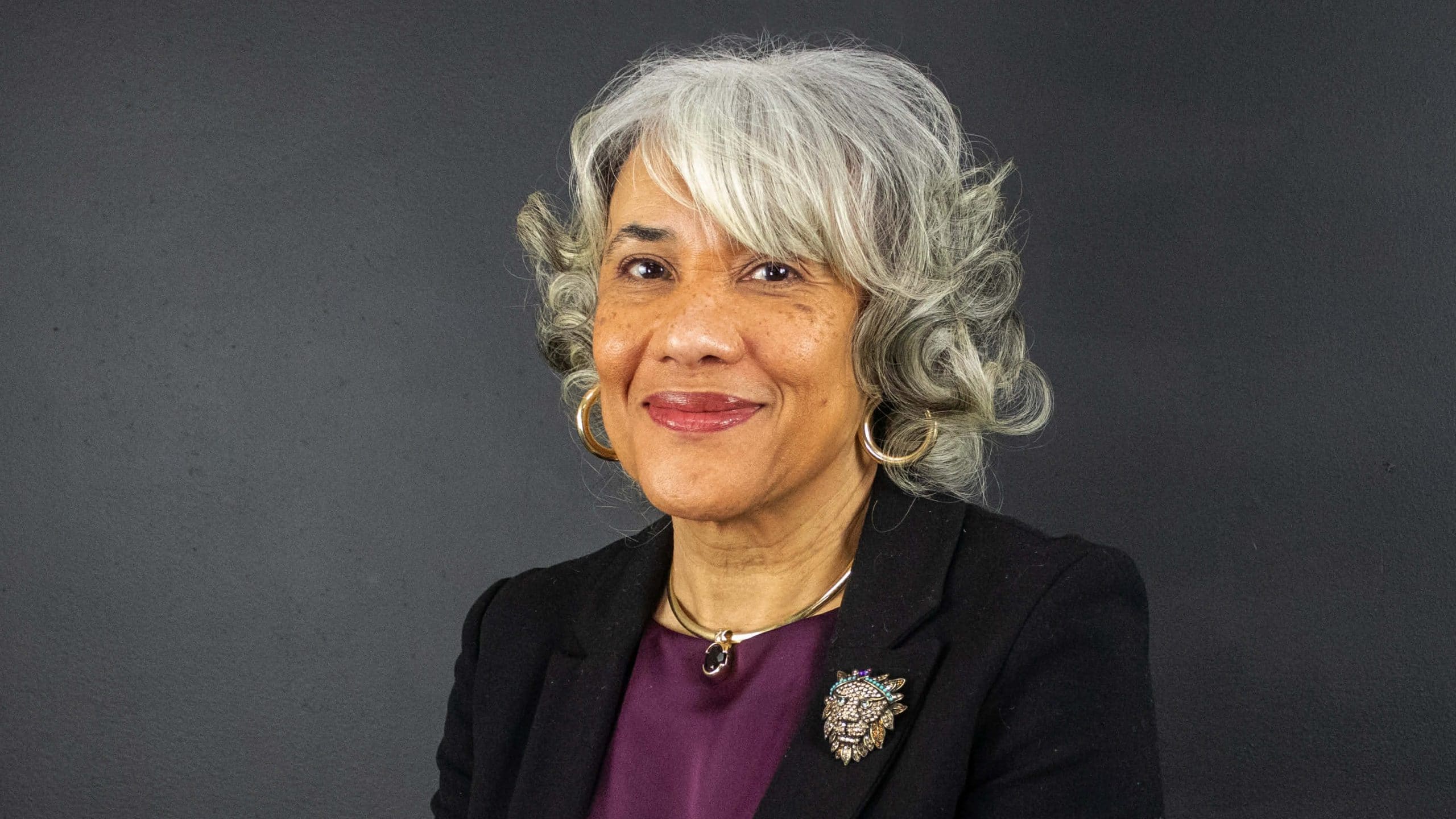
FLINT, Michigan — “Even if you travel down a road that seems sure and concrete, you still may end up in a field of something entirely new and unfamiliar.”
That is what a university professor once told me about my initial career choices before I started undergrad.
At the time, I believed it was a rather odd statement to make. However, it feels much less peculiar now as I converse with a woman whose career could be used as a prime example of this very analogy.
And as I repeat this unique statement to Dr. Karen Weaver of Flint, she laughs, as she feels she can relate to it. She shares that her historic role as Flint’s first female mayor, along with her passion for politics, was not the initial path she had craved for herself.
“I never thought about being a politician. I had always thought about being the other p, a psychologist,” Dr. Weaver explains. “I always knew I wanted to be a psychologist since sixth grade. And I never wavered from that. So for my initial whole adult career, that’s what I was.”
That unwavering determination led Dr. Weaver to become a child psychologist for Mott Children’s Health Center, where she worked in behavioral services for nearly twenty years. During that time, she developed a deep appreciation and care for Flint’s youth, an attribute that would later prove useful in her career pivot.
Yet, when asked what inspired the Northern High School graduate to fully pursue political office, Dr. Weaver notes that her experience volunteering on another former mayoral candidate’s campaign allowed her to view Flint in a different light. It was there that she ventured into different neighborhoods on foot, going door to door and hearing firsthand accounts of various issues transpiring throughout the city.
“I always knew I had wanted to be a psychologist since the sixth grade. And I never wavered from that. So for my initial whole adult career, that’s what I was.”
These were things she believed were in dire need of action — action she knew she could help push forward as mayor. And as Dr. Weaver’s passion for the community began to grow beyond the bounds of what she had previously known within herself, so did her visibility in the community, which later helped her obtain her mayoral seat four years later.
When asked whether her skills and experience from her past career aided her in her role as Vehicle City’s leading lady in charge, she didn’t hesitate.
“Absolutely. My experience prepared me well. Not only was I a mental health therapist, [but] I was also an administrator. So I knew about team building, I knew about managing budgets, I had skills that were transferable as far as how you lead,” Dr. Weaver explains.
However, what really came into play during her time as mayor, at the height of the Flint Water Crisis, was her professional knowledge of child behavior and how lead exposure could affect the behavior of thousands of Flint children. It was a key point she continually brought forward when opposing parties, who refused to see the strengths and potential of her previous field, attempted to diminish her.
“I remember during a debate, my opponent said to me, ‘You know, she doesn’t have political experience.’ [So] I said, ‘I don’t have experience poisoning people, but I do have leadership experience, and I know what this has done.'”
It is a point she hopes will serve as a lesson for people never to let anyone tell them what they can and cannot do. That lesson was notably instilled in her by her mother, Marion Coates-Williams, the first Black teacher in Flint Community Schools, and her father, T. Wendall Williams, a prolific doctor and one of the first to be elected to the Flint Board of Education.
In many ways, Dr. Weaver is the literal product of what it means to never let anyone else define your capacity or capability. Yet, outside her home and throughout her career, she met others who reinforced these ideals in her.
That includes women like Betsey Stram, the first Black Flint Community School principal, and Dr. Weaver’s principal once upon a time, until they later became coworkers at Mott Children’s Health Center. Lois Hope, Gloria Coles, Carrie Edwards Clemons, and even everyday people like her grandmother were also noted as inspirations and individuals worthy of recognition for helping to shape her. As Dr. Weaver puts it, “ There are so many women we can uplift, whose shoulders we stand on.”
“I remember during a debate, my opponent said to me, ‘You know, she doesn’t have political experience.’ [So] I said, ‘I don’t have experience poisoning people, but I do have leadership experience, and I know what this has done.'”
She also makes a point of recognizing former Mayor Woodrow Stanley as a trusted friend she could reach out to for counsel and advice during her time in office.
Overall, it is the sense of community from the past that the Michigan State University alum says continues to push her forward. She recalls what the community in Flint looked like in her youth compared to now — a time rich in neighborly love, accessible education, schools that thrived within neighborhoods, and, most of all, a time when basic human rights like access to clean water were not a worry.
“You knew you had people looking out for you. You had a support system. We looked out for another. So things were so normal then. So, I can say my neighbors helped shape me and make me who I am.”
It is a time I envy, as a young person today. Nevertheless, I find the optimism the former mayor expresses not only refreshing but also intriguing. She voices her hope for the future, including bringing more sports and recreation back to the city for both community and health purposes.
Additionally, Dr. Weaver notes that strengthening community programs and gathering spaces could also help drive unity and progress.
“We need places where events are happening. There used to be more of those kinds of things that, like Wilson Park concerts, or sporting events.”
Though she acknowledges that the city does not need to duplicate every past event or program, she believes Flint does need to tap into its history and build on what worked and brought people closer together. And as I hear her speak so fervently and confidently about the ambitions and visions she sees for Flint, I begin to have a certain itching question come to mind — one she so graciously entertains: Will she run again?
“I always told people that, even if I wasn’t in the seat anymore, you can’t take my voice. You can’t stop me from saying, and doing, and showing up to places that I’m going to show up.”
When I ask, I can practically hear her smile beam through the receiver as she honestly answers that she does not have an exact answer in the moment. She tells me that she is currently enjoying the space she is in — being active and vocal within the community her way, on her own terms. Still, she is careful to explain that it is a door that, while not completely closed, can almost be thought of as being…cracked for the time being.
However, regardless of her current plans for public office, one thing is for sure: you’ll be seeing more of her around the city, always.
“I always told people that, even if I wasn’t in the seat anymore, you can’t take my voice. You can’t stop me from saying, and doing, and showing up to places that I’m going to show up. [As] Maya Angelou’s poem says, Still I Rise. So you can’t stop me. The only thing that can stop me is me.”
And no matter if her voice can be heard through a channel of broadcast radio, from the mayoral office, or through community conversations and advocacy, I look forward to seeing which road Dr. Weaver decides to carve for herself next.
Author

Related Articles
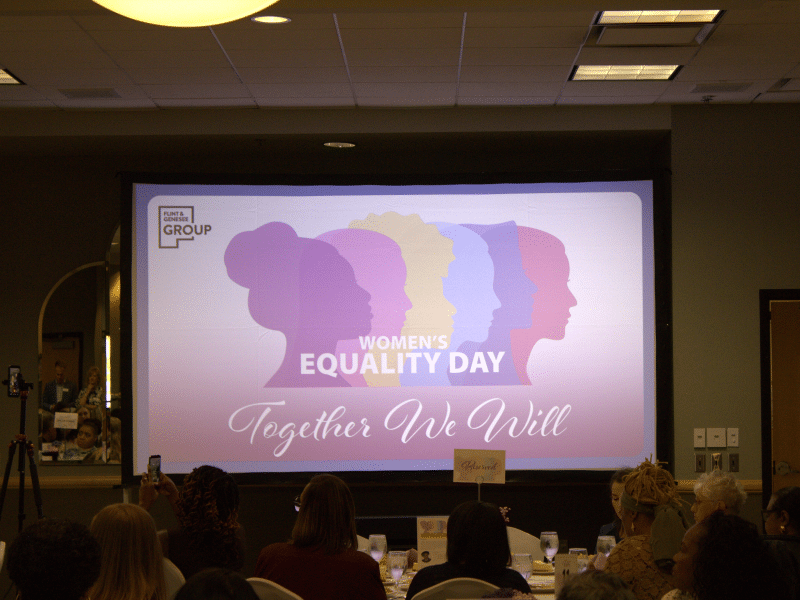
In Pictures: Flint & Genesee Group Women’s Equality Day Luncheon
Photographer Natalia Avery captures Flint & Genesee Group Women’s Equality Day luncheon on Aug. 26.
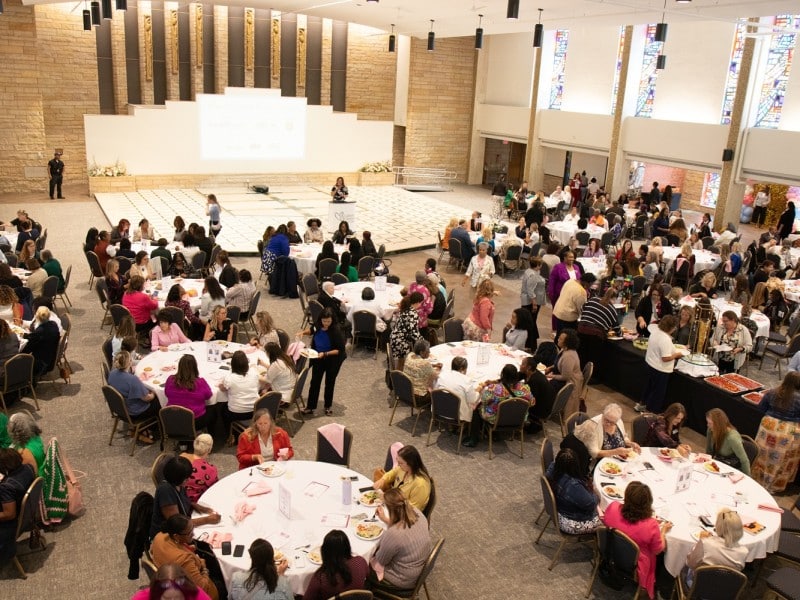
Flint & Genesee to Host Women’s Equality Day Luncheon Featuring Local Leaders
Flint & Genesee hosts a Women’s Equality Day luncheon Aug. 26 with local women leaders speaking.
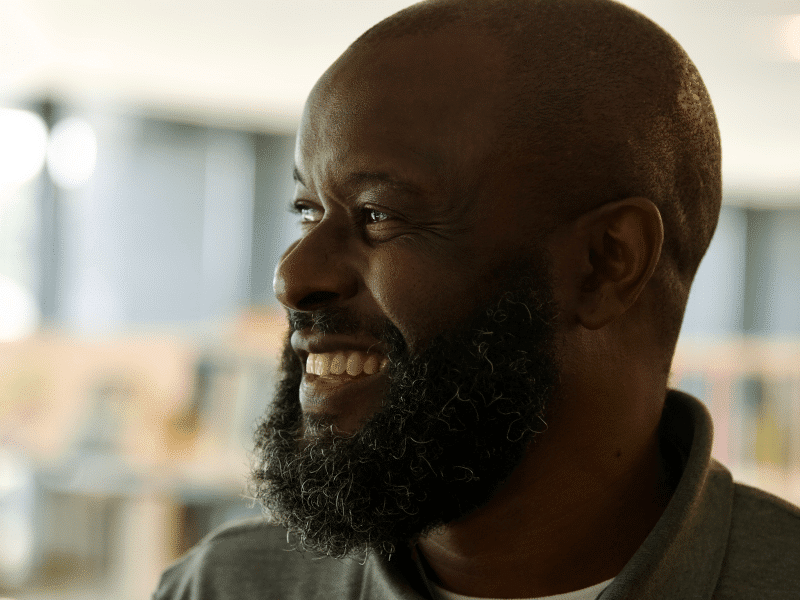
Desmond London Talks Fatherhood, Flint, and His Vision for the Gloria Coles Flint Public Library
New Flint Public Library director Desmond London talks fatherhood, his journey, and his vision for Flint.