
Vehicle City Voices: Black Women of Flint — Dr. Tanya Upthegrove Gregory
Dr. Tanya Upthegrove Gregory reflects on learning, growth, and helping Flint bloom again.
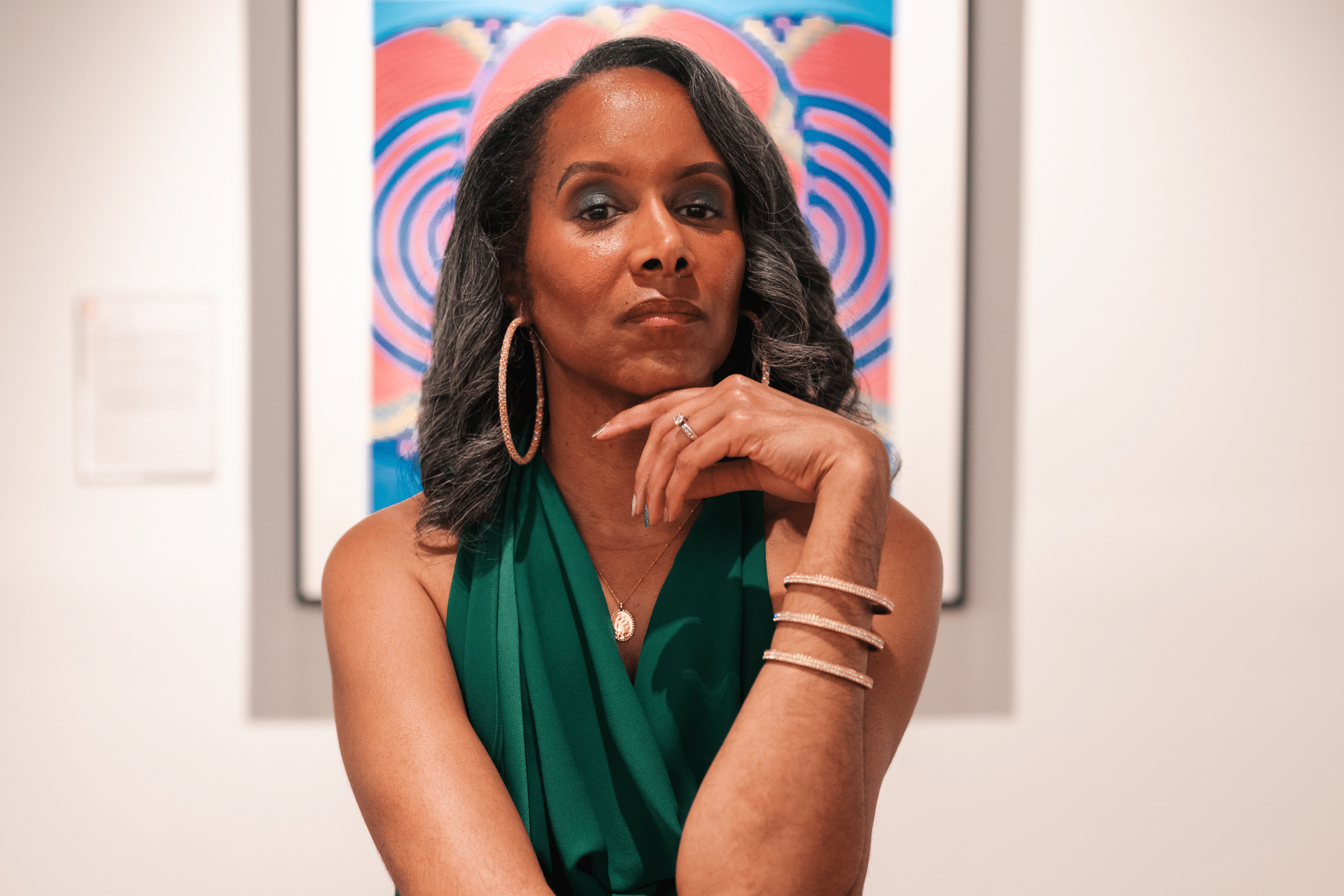
FLINT, Michigan — What is your why?
It is a question Dr. Tanya Upthegrove Gregory asked me almost two years ago during introspective work with the Ruth Mott Foundation, where she serves as their profound learning officer.
At the time, the question rattled me as a newly turned twenty-year-old who hadn’t quite thought about what my true “why” in life might be. The only answer I could offer her then was: “Miss…I’m still figuring it out!!”
And while I was nervous that my answer wouldn’t suffice for the Michigan State University alum, I was comforted to find that, instead, my answer was…perfect.
“You should be figuring it out. That’s a part of your growth,” she’d said. “We all are! Even me!”
Now, on this chilly March morning, as we walk up the path of the historic Applewood Estate, I get to ask her the same question in return as she reflects on her “why” while celebrating ten years of work here in the City of Flint.
From the start of our conversation, it is clear that Dr. Upthegrove Gregory’s connection to Flint is both special and personal, shaped in part by her upbringing in a town similar to Vehicle City. Born in Inkster, Michigan, she describes her hometown as her first introduction to learning.
“When I think about my earliest experiences in school, they were with the Inkster Head Start program. My mom is a retired Head Start teacher, and she started volunteering. So learning for me has always been fun. It wasn’t like you waited until recess to have fun. Classroom experiences at an early age were fun. So that’s the way I’ve always seen education.”
As we discuss her educational journey, she reveals that neither her previous Head Start building, elementary, middle, nor high school in Inkster still stands. Disinvestment in the local education system is a fate she understands many Flint residents can unfortunately relate to.
Still, Dr. Upthegrove Gregory uses this reality to encourage a shift in how we view learning beyond the classroom.
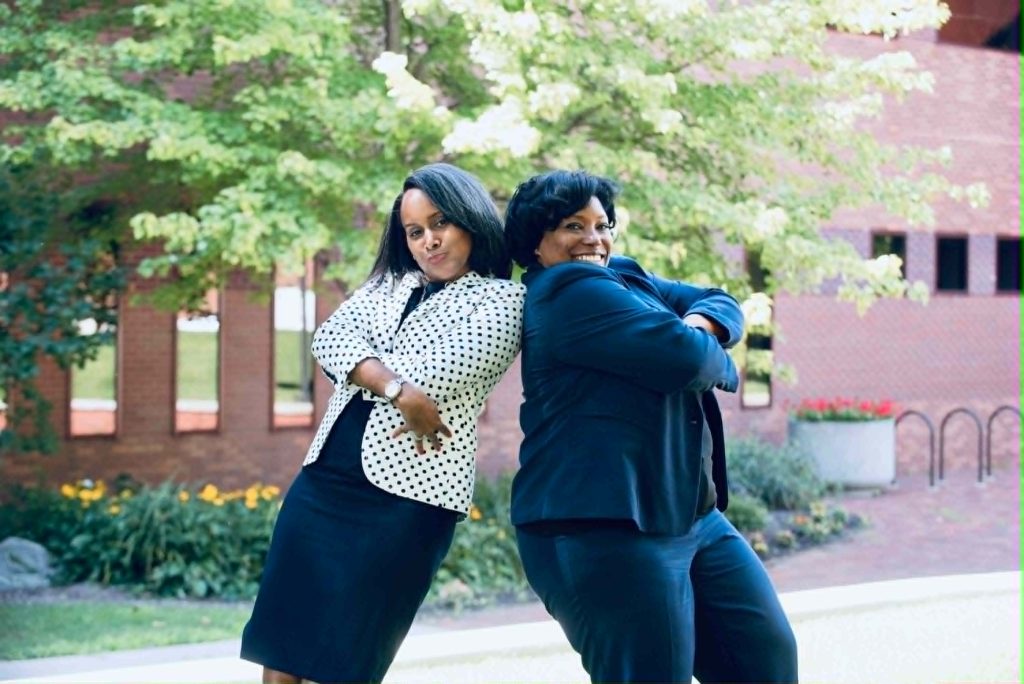
“When I think about my role at the Ruth Mott Foundation, it is always really to help people think about learning as an invitation to grow instead of a forced mandate.” She then acknowledges that doing so requires a great deal of intentionality. “Thinking about who is in the room, who’s sharing knowledge, who’s gaining knowledge, and making it more of a conversation or a dialogue, instead of making it feel like learning is something that is only transferred from one person to someone else.”
Her first introductions to Vehicle City weren’t because of headlines featuring water, crime, or local politics. Instead, they came through Flint’s culture of music, art, sports, and more. She also recalled the admiration she gained while working her first post-grad job at the Greater Lansing Urban League after witnessing the catalyst that was the Flint Urban League.
“At the time, the Flint Urban League was a pillar across the Flint Urban League movement.”
Watching work like this helped prepare her to begin her time in Flint ten years ago in the Office of Educational Opportunity Initiatives at the University of Michigan-Flint, alongside peers like Tawana Parks, whom she notes as personally inspiring.
In this role, she connected students with resources and encouraged them to access support they may have been missing from their home communities. It is an idea she believes should begin early.
“I’m all for making sure kids have the greatest educational opportunities. Especially the support systems in elementary, middle, and high schools that can make sense of, to help them recognize those in college and take advantage of them.”
Yet, it is those support systems in Flint schools—systems meant to help students identify and maximize those tools—that may currently be missing. I mention how scattered Flint’s education system seems while thinking about stories I’ve heard from elders about Flint’s once-immaculate reputation as a pillar of education.
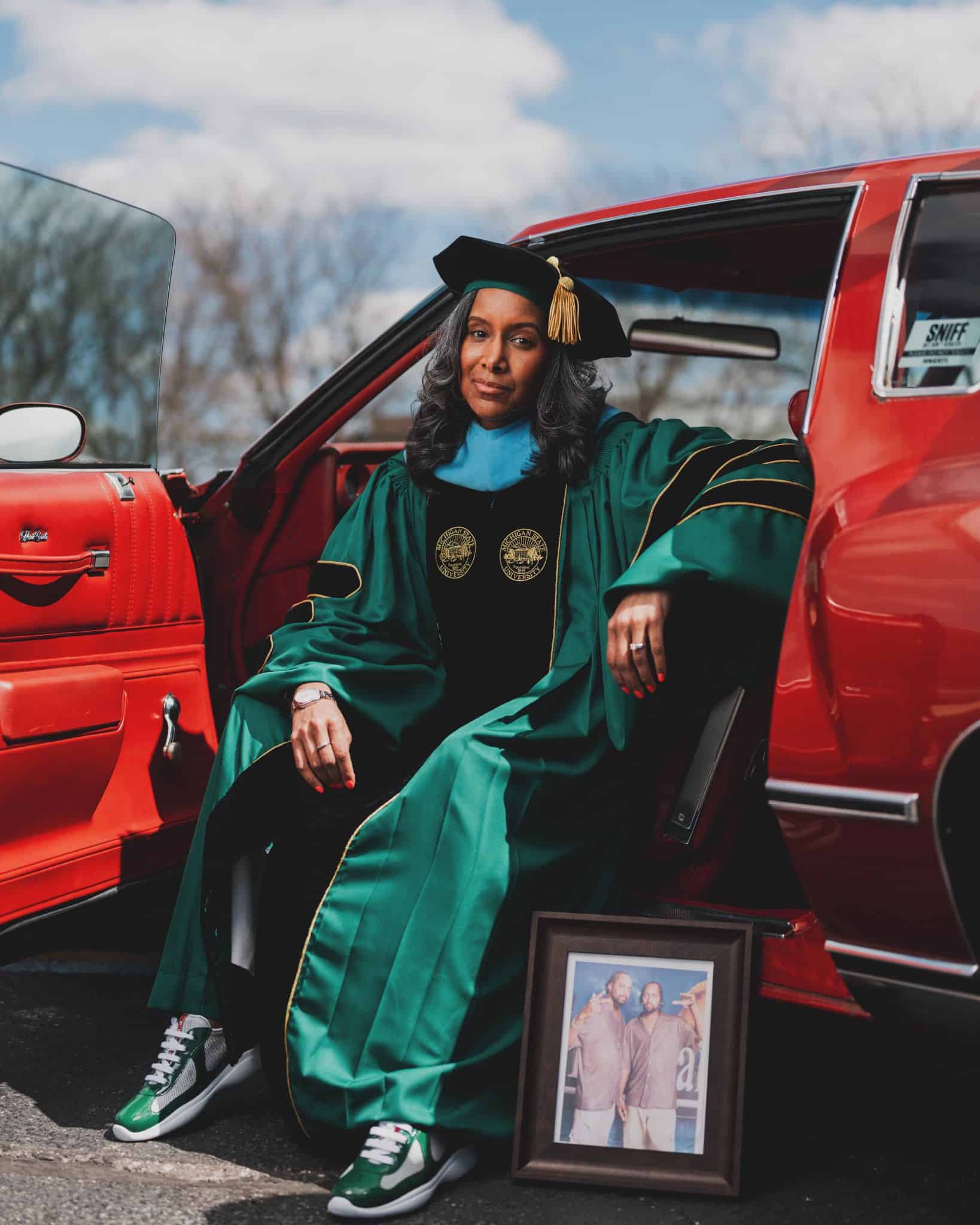
To this, the Inkster High School graduate agrees, reminding me that it is good to keep an image of how joyous things once were because that means there is already a foundation for how amazing they can be once again.
It is a lesson she learned from her orchid, Kenya, who, for four long years, wouldn’t bloom much despite others’ encouragement to give up. However, Dr. Upthegrove Gregory remained unmoved.
“When I tell you I’m doing everything. Being intentional about the music I’m playing, and I’m showing her pictures of her when she was in Bloom! Like this, what you used to look like, trying to remind her of who she was!”
Only after she allowed Kenya the space to just be did she find a tiny bud rising from the soil. Kenya only needed time and space to present this new part of herself to the world.
“All of the building blocks are in the DNA, right? It doesn’t require fixing, but it does require all of us to remind her (Flint) of who she once was. Making sure she has all of the right tactics and systems in place so that she can flourish. She’s not broken. She just needs to be reminded of who she was. And for those people who have that sense of pride and joy, to continue on that message.”
She also notes the importance of organizations and individuals from outside the city being mindful of how they approach the community. Essentially, it means “leaving the hero complex at the door” and focusing on genuine ties within the community.
And as we wrap up our conversation, Dr. Upthegrove Gregory concludes that while she may not have a concrete, one-punch-line answer for what her “why” in Flint exactly is, she acknowledges that it is made up of many different aspects: her educational journey, hometown experiences, lessons from mentors, and the time she has taken to be present and active in the Flint community as part of the movement pushing Flint to bloom once again—on her time, in her new era.
Author