
Abdul El-Sayed Talks Healthcare, Flint, and the Fight for Working Families
Abdul El-Sayed discusses healthcare, Flint’s future, and his campaign for the U.S. Senate.
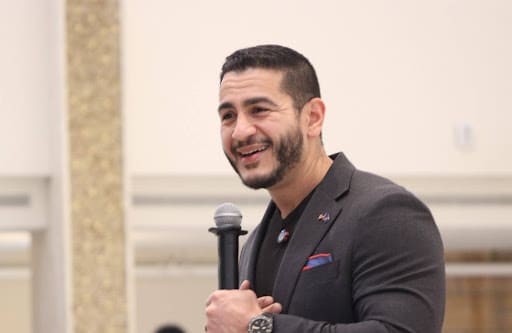
FLINT, Michigan — Abdul El-Sayed’s campaign trail does not leave much room for stillness.
On the day of our interview, he started his morning in Detroit with his family before traveling to Traverse City for a meet-and-greet with community members about the issues that mattered most to them. From there, he drove more than 190 miles to St. Michael’s Conference Center in Flint for another meet-and-greet event.
Afterward, El-Sayed would return to Detroit to say goodnight to his children, only to go to bed, wake up, and do it all over again the next day.
It is the cyclical nature of campaigning: a different city every day, with familiar problems and new concerns waiting at every stop. From the war in Iran and the current presidential administration’s slashing of welfare funding to local political issues facing cities like Flint, the challenges everyday citizens face become yours to listen to, understand, and help solve.
But for El-Sayed, Flint is not just another campaign stop.
His mother trained as a nurse at Hurley Medical Hospital, while his stepmother and father both taught at Kettering University, previously known as GMI. As a child, El-Sayed came to embrace Flint as home. He spent time at GMI with engineering students “as a kid, learning about the role that this city played with GM influence, then learning about how GM left Flint.” Looking back, he describes it as “a poignant memory.”
Before his entering politics, El-Sayed was a Doctor of Public Health, conducting research and teaching at Columbia University. He has authored more than 100 scholarly articles, and his research has been cited more than 700 times. That background in public health has shaped El-Sayed’s outlook on both politics and life.
“At the end of the day, I want people to have healthcare. That’s the thing I trained to do and what my life’s work has always been about,” El-Sayed said. “You start to get curious about why people get sick, and you start to realize there’s government policy on the wrong side of that. You start [asking] other questions, like, ‘Why don’t we have healthcare?’ You start to realize that the money is being sent to subsidize a corporation or bomb a child. What you’re going to get from me is a very clear voice about the opportunity cost, about the choices we make.”
El-Sayed began his political career in 2015 as Detroit’s health director. Mayor Mike Duggan tapped him to become the youngest health officer of any major U.S. city at the time. In that role, El-Sayed rebuilt the city’s public health department and worked to test all Detroit schools for traces of lead following public attention around the Flint Water Crisis.
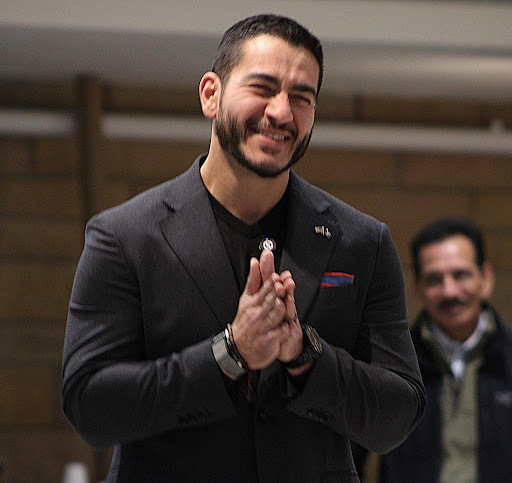
Though the water crisis did not happen in El-Sayed’s jurisdiction, it happened in a place he called home. He internalized that moment, describing it as a “story of decisions made that put a dollar ahead of the well-being of citizens.” It is a lesson he still carries, and one he connects directly to the current politics of public health.
“I want you to think about the people who lead this country right now, who are cutting Medicaid. A healthcare lifeline that so many children disproportionately depend on, so that they can take us into war and use our tax dollars to bomb other people’s children instead of investing in our children.”
The empathy and concern El-Sayed brings to the issues citizens face are evident — not just in his actions and willingness to connect with people about their problems, but also in his thoughts and words. It is that empathy, along with a desire for justice, that emboldened him to run for Senate this election cycle.
“I didn’t expect to be running for office this cycle. But when a senate seat opens up, the question is, do you get on the bus or do you not?” El-Sayed told me. “In a moment where I’m watching the government freeze federal funds, that are used to fund things like WIC services and vaccinations, and I’m watching the government use tax dollars to fund genocide, I ask myself, ‘Who’s actually going to do anything about all this?’ So, I think there’s an opportunity to try and use this seat to fight for the things the people deserve.”
If elected, El-Sayed has three primary goals: remove the influence of money from politics, establish free healthcare for everyone, and make financial life easier for those who are most vulnerable. His plan to achieve those goals remains the same as it has been since the beginning of his political career — building a coalition and using his voice.
“My hope right now is that if we get elected, we’ll have a Senate majority. With that, we can do two things: Hold Republicans accountable and pave the way for a president who’s willing to fight for things like Medicare for all, fight to keep our tax dollars here at home, and fight to maintain an economy that actually works for working people.”
Regardless of the outcome of the upcoming election, El-Sayed’s core values will not change. He will continue traveling every day until Election Day on Nov. 3, 2026. He will still rise early and go to bed late. But for El-Sayed, his passion for his coalition stems from a love of community and a desire to help bring about a healthier, more just world.
He also remains hopeful for Flint’s future, as long as there is a community that cares and continues to hold leadership accountable.
“I believe deeply in the future of this city. I believe leadership can make choices that are about putting the needs of young people ahead of the dollars and cents that we spend on unnecessary wars.”
Related Articles

Flint City Council: April Roundup
Flint City Council Monthly Wrap Up! is a summary of some of the most important resolutions and happenings in the City Council.

How Medicaid supports early education and child development
Health care access is inseparable from academic success.
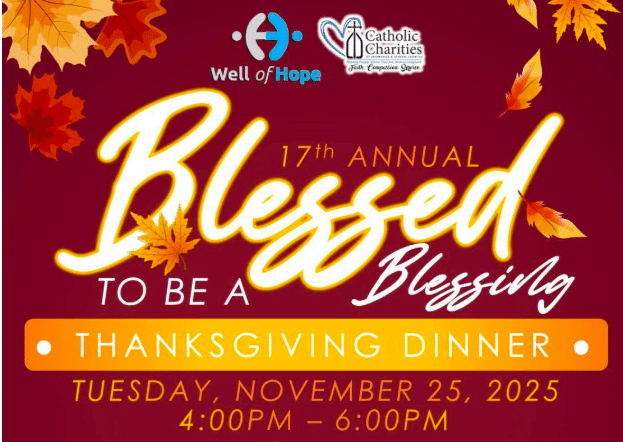
Well of Hope’s ‘Blessed to Be a Blessing’ dinner celebrates 17 years of service in Flint
Well of Hope’s annual ‘Blessed to Be a Blessing’ Thanksgiving dinner marks 17 years of feeding and uplifting Flint families.