
Meet the Candidates: Ezekiel Harris
Ezekiel Harris talks about Flint’s future and how his business mindset will aid the community in his bid to become the 8th Ward councilman.
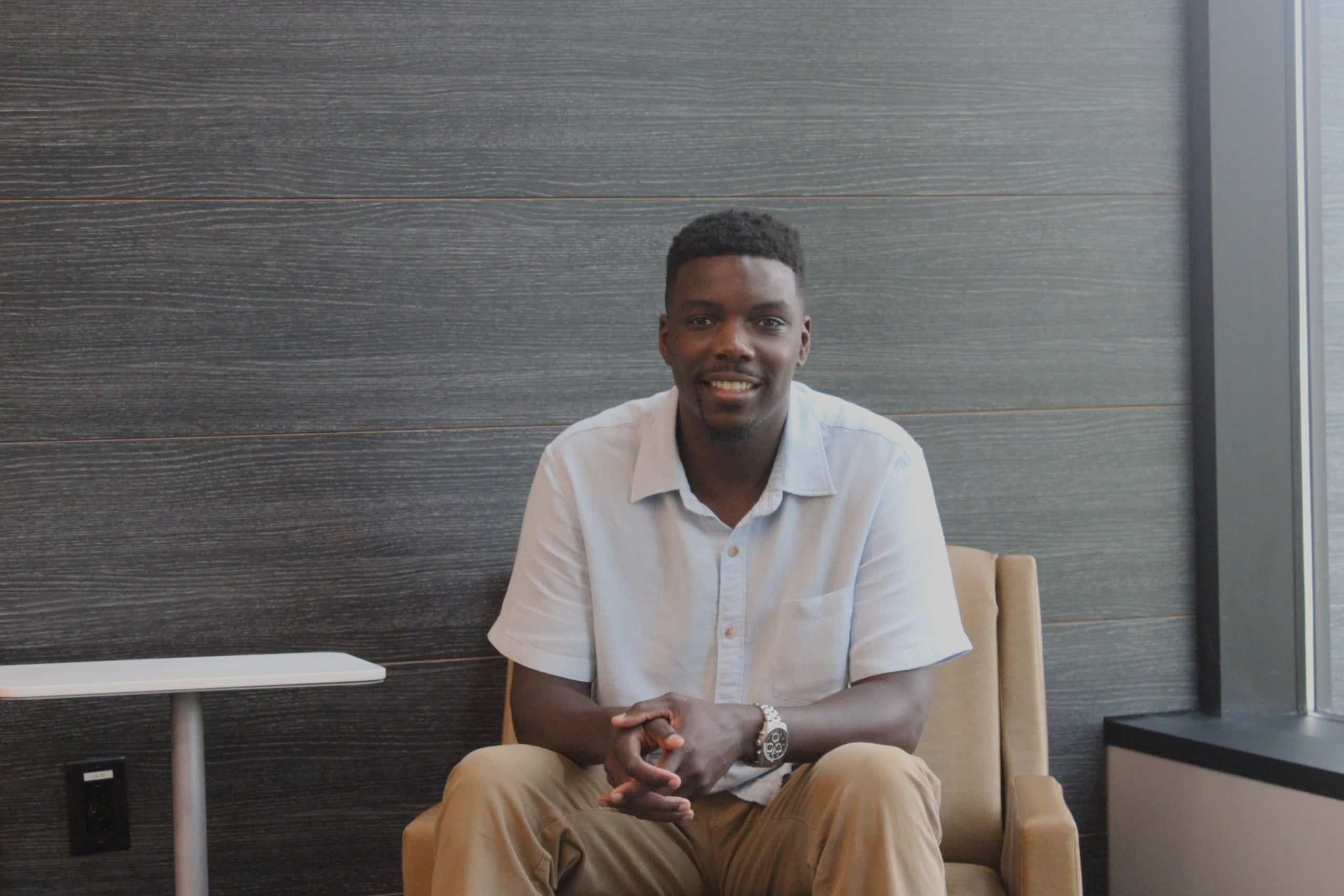
Editor’s Note: This is the third of the Flint City Council Interview series. Flintside will host conversations with candidates running for office. We’ll talk about local politics, ask what they love about Flint, how they’ll improve the city, and get to know each candidate and a bit of their story.
FLINT, Michigan — Ezekiel Harris prioritizes efficiency and organization, and he hopes to bring those skills accumulated over decades of work to the Flint City Council, representing the 8th Ward. If elected, he hopes to continue the work he’s done over the last decade.
Harris was born and raised in Flint on the north side and went to Carmen Ainsworth High School. He would go on to attend the University of Michigan — Ann Arbor and was captain of the soccer team. He graduated with a master’s in Political Science and played semi-professional soccer for a time in Detroit.
After graduating from college, Harris would spend six years in Detroit working for United Way of Southeast Michigan. At 23, he became the CEO of a community development corporation and managed a $2 million development project in Detroit. The project would go on to become The Commons, which is a café and laundromat.
Across the next half decade, Harris would work in nonprofits and health centers, begin a sports startup, and work with public schools. Today, he is the executive director of Co.Act, a nonprofit that seeks to provide a networking space for other nonprofits.
This experience conducting business and working in public services would shape Harris’ connection to government and lead him to form a unique perspective on how private entities and government interact.
“As a result of kind of being in the community development world, you often have to interact with city officials. From that perspective, I’ve always tried to have a good relationship with city government because nonprofits and government have to work together. But I actually never saw myself as a politician or willing to get into politics.”
What led Harris to change his mind about politics was moving back to Flint. He, alongside his wife and three children, has lived in Flint for the last six years. Harris decided that since his income isn’t dependent on location, he ought to keep his family in the city.

Just as Harris decided to move back to Flint for his family, he also decided to run for office for the future his children will inhabit.
“What really spurred me, instead of just watching and waiting, to actually do something about it, was that my kids and other kids in Flint could grow up in the city. I think we’re missing out on a lot of resources and opportunities because of just how our government currently operates, which ultimately hurts the residents.”
Harris cites his background in leadership and executive decisions as his greatest strength. As many community members would agree, he views blight as the most pressing issue facing Flint.
His plan to address the issue is to engage with the bureaucracy. He feels that city government hasn’t activated or engaged with the blight office enough, and he believes that it’s their responsibility to address the issue.
Harris feels that if the blight issue is addressed, business will follow. Business, Harris argues, is the way Flint will prosper.
“I would love to see within my ward, but also across the city as a whole, better investment in our commercial corridors that supports small businesses. When you have thriving businesses, that brings people back. You have people, and that’s more taxes. You have more taxes. You have better city services, and kind of what trickles down trickles down.”
For Harris, public safety starts with accountability. He states that the police department is underfunded and argues that if city government took greater efforts to publicize statistics and allow residents to understand them, that would allow for more critical discourse about what law enforcement will look like in Flint.
As for the Flint arts and cultural scene, Harris believes that the city speaks for itself. He feels people will come unconditionally, and all that council needs to do is make their presence known and spend time in the community.
And while it’s long been understood that the relationship between council members often doesn’t function, this fact is also apparent to Harris. He hopes that his executive mindset and experience in non-profit leadership will provide him with the skills to navigate the tangled web of relationships in city council and within the mayor’s office.
“City council has to work with the mayor and vice versa. These are two bodies who need each other, like a nonprofit board and the CEO. That goes back to relationship building and respect for the mayoral office,” Harris explains.
Author

Related Articles
Meet the Candidates: Sister Audrey Young-Muhammad
2nd ward candidate Sister Audrey Young-Muhammad wants to fight Flint crime by tackling poverty.
Meet the Candidates: Dr. Ladel Lewis
Dr. Ladel Lewis talks blight, public safety, and her case for re-election in Flint’s second ward.
Meet the Candidates: Dakota Starr
Dakota Starr discusses the future of Flint and makes the case for his entry into politics as the representative for the 6th Ward.