
Meet the Candidates: Dakota Starr
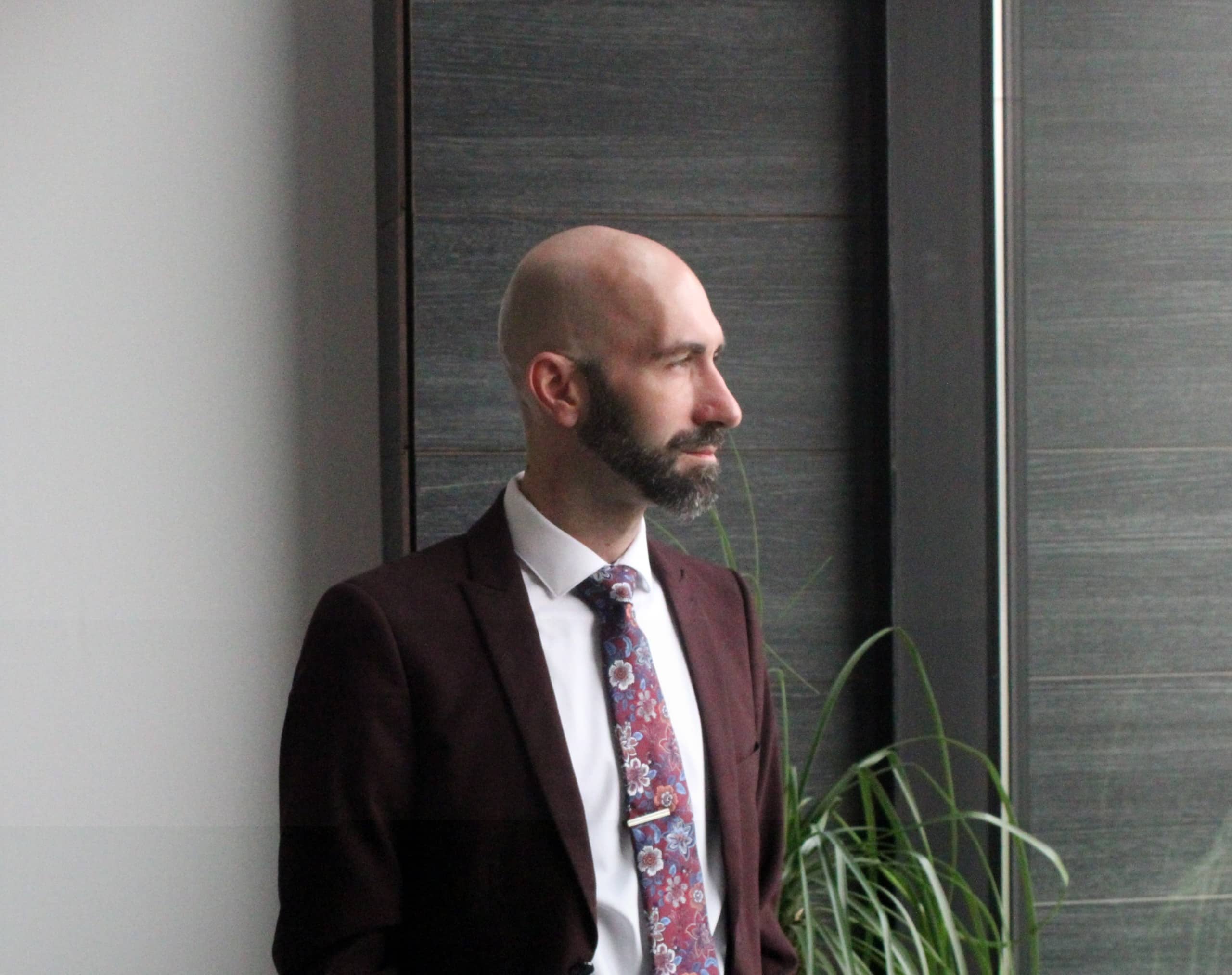
Dakota Starr discusses the future of Flint and makes the case for his entry into politics as the representative for the 6th Ward.
Editor’s Note: This is the second of the Flint City Council Interview series. Flintside will host conversations with candidates running for office. We’ll talk about local politics, ask what they love about Flint, how they’ll improve the city, and get to know each candidate and a bit of their story.
FLINT, Michigan — At the heart of politics is a love of service and a love of the people that service is for. Dakota Starr has both in spades, and he intends to use this election cycle to represent his ward and advocate for people in the best way he knows how — with love.
Starr has lived in the Flint area his whole life and grew up as an only child to working-class parents in a single-wide trailer. Though his family did not come from monetary wealth, they instilled in him the values of community and the collective.
“My childhood kind of formed an idea of community, and that’s something that kind of stuck with me. The idea that if you need something, if you have a problem, there are people to go to,” Starr said. “There’s always something there for you to be able to depend on, lean on, and also a responsibility you have to help your family, your community, the people that are around you.”
Starr has lived a modest, working-class life and has been a resident of the 6th Ward for over 9 years after his father decided to move to the city proper. He has not attended college and currently works in sales. Despite this, his passion for politics and public service has led him to decide to run for city council in this election cycle.
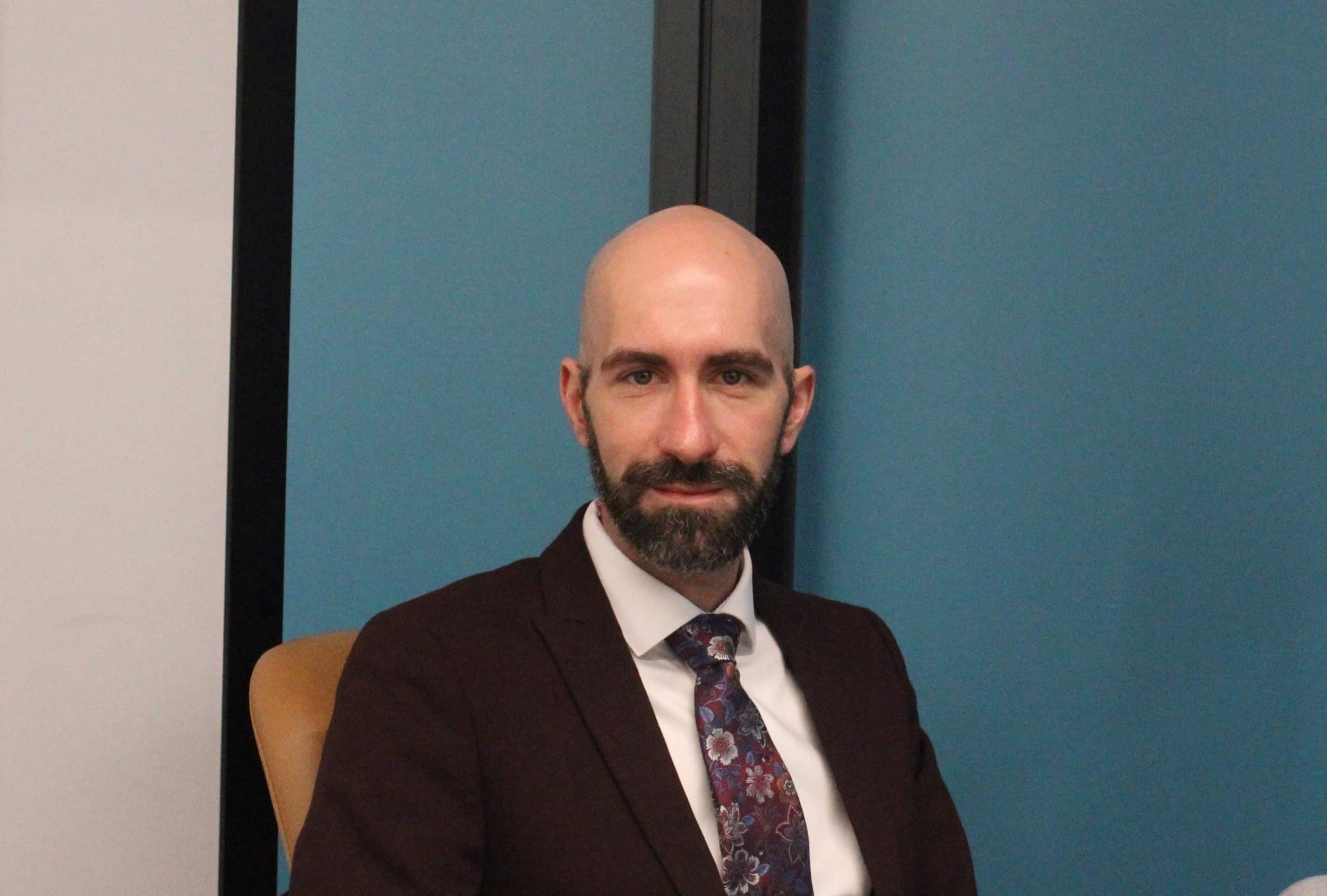
His family has always been politically fluent and engaged for generations. Starr shared how his family used their limited funds to attend the 1984 Democratic National Convention, and how both of his parents have been secretaries to different unions.
To Starr, public service is another extension of community and engagement with the people you share space with, so now that he has the opportunity to run for office, there would be no better time than the present.
“Very early on, it was impressed into me that this is not just something you do for fun. This is a service. This is important,” Starr expressed. “It started off with different protests and marches and stuff, and then it just picked up. Somebody has to step up to be a steward for the people, for my neighbors, for us. I decided then, and there, I was going to do it.”
Starr mentions the Sunset Village Apartments as being a particular area of interest for his ward and talked about how he’d like to see the building addressed. He cited the water shutoffs, the condemnation, and general blight in the area. He believes that blight is the most pertinent issue facing the ward and that it is inextricably connected to crime, which he sees as the next most pressing issue.
Starr sees the Land Bank and federal funding as avenues to develop Flint in ways that maintain the city’s ecological balance while still restoring the foundation of buildings that have fallen into disrepair. He mentions how one of the more poignant ways community shows itself in Flint is through the ways in which blight is mostly being combatted through volunteer work.
One possible solution to combat both blight and crime would be to legalize and monetize the solution. By providing a trained, paid cleanup crew across the city, Starr proposes that the government could provide both youth and unemployed individuals with opportunities to earn income while also supporting the community and combating blight.
“I think a lot of the problems that we see with public safety are symptoms instead of the root issues. I am a firm believer that people do not grow up wanting to be criminals; that that’s not the life that they want, and that is the life sometimes presented to them because there is no opportunity,” Starr said.
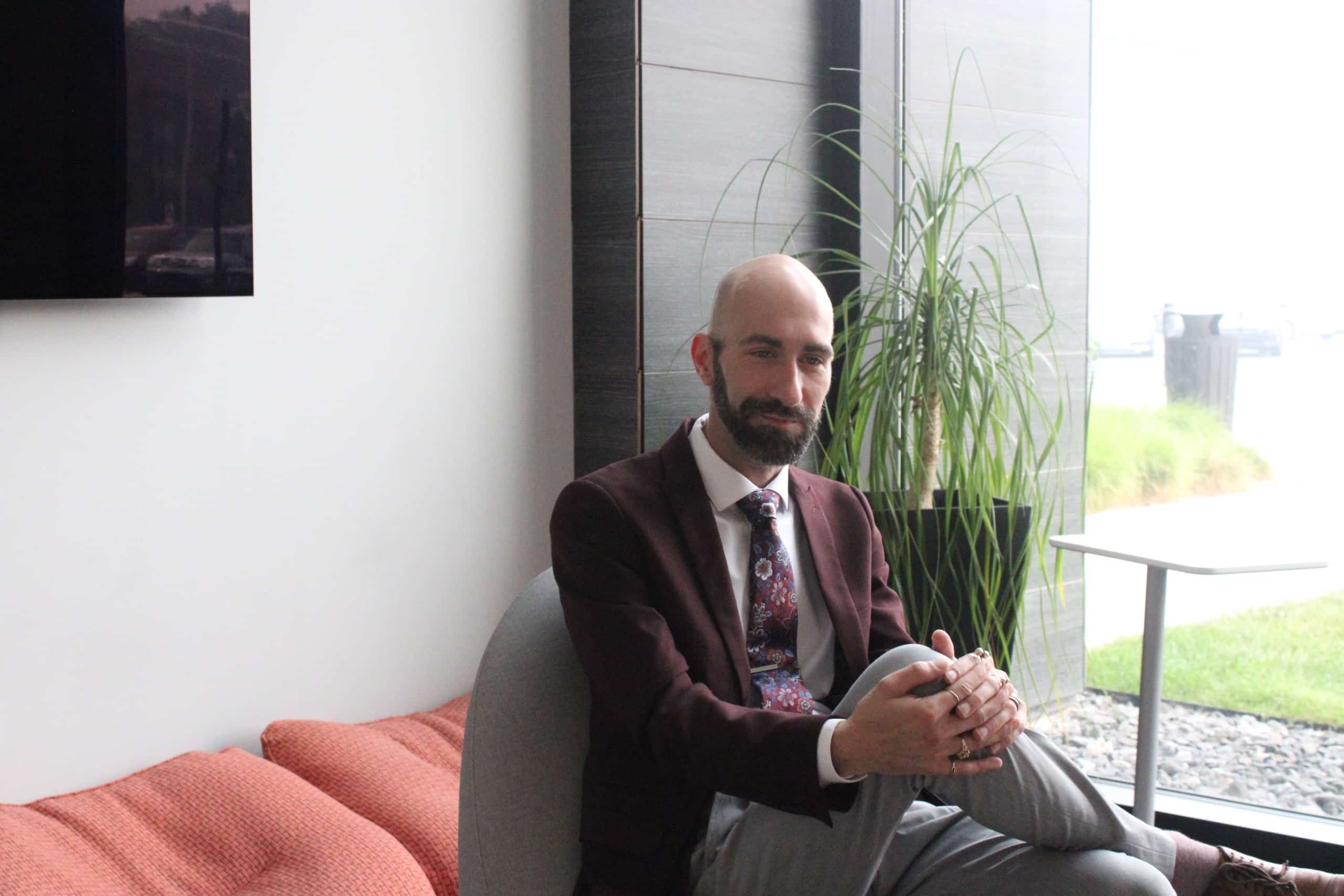
“What I believe can help is community support networks and opportunities because it’s not just kids that are living this lifestyle. It’s adults also pushing it on [them]. Job opportunities, education opportunities, homeowner opportunities, and these are all things that are possible.”
Starr talks about how Flint is a city built on a foundation designed to accommodate more people than currently live in the city. In the 1960s, Flint had over 190,000 residents, but as of today it has less than 90,000.
“Everybody that lives here has to do the work of two people that are not yet here, and solving that first requires making people want to stay. We need to make people want to move back, making people want to move here for the first time. These are things that will boost the tax revenue, so we can afford better safety programs, so we can address blight.”
While the future is uncertain, two things Starr is sure of are the love of the people of Flint and the beauty of the Flint arts and cultural scene. If elected, Starr would reallocate wasted funding toward the arts, allowing the people and artists that make Flint so vibrant to engage in bigger, more ambitious projects.
Starr is aware of the challenges that come along with working in City Council. Flint City Council has gained a reputation over the years for the conflict and disagreements that take place in the chambers and that extend outside of it. He feels that his upbringing has prepared him for this moment.
Faith in the goodwill of others and a steadfast resolve to serve the people guide him in his path to making the community a more inviting place for all people.
Author
Related Articles
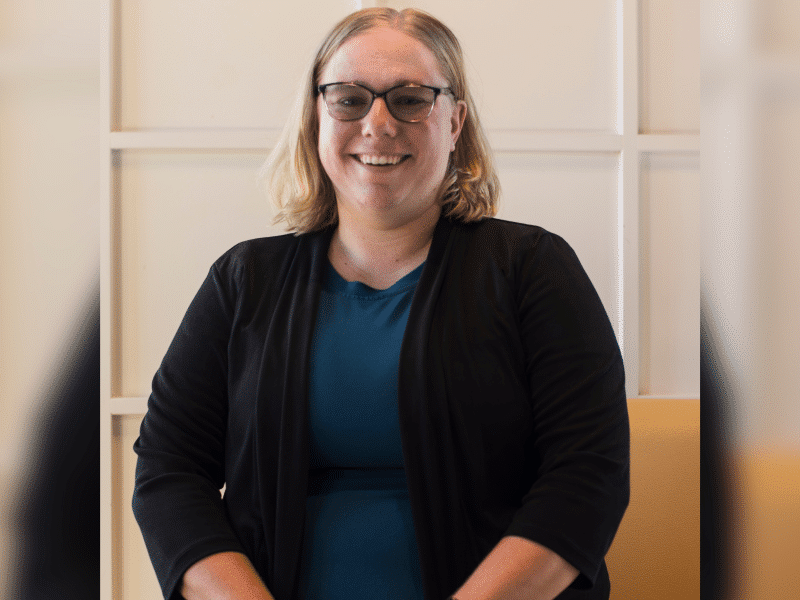
Meet the Candidates: Genesee County Probate Court Judge — Ashley Prew
Meet Ashley Prew, a candidate running for Genesee County Probate Court Judge on the Nov. 3 ballot.
Flint City Council: September Roundup
A summary of the most important resolutions and decisions from Flint City Council in September, plus a look at what’s coming in October.
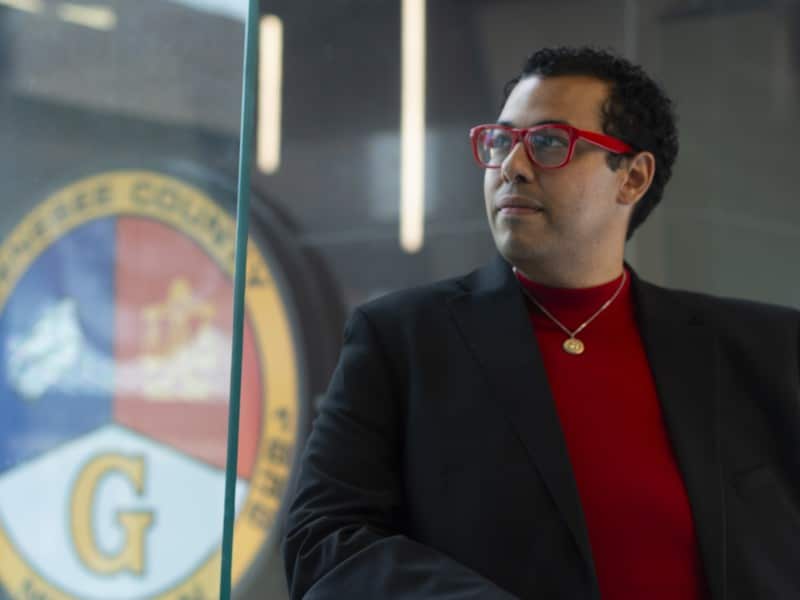
Never Have Expectations: How Domonique Clemons Became Genesee County’s Clerk
Genesee County Clerk Domonique Clemons reflects on his journey to join a historic series of firsts.