
BareFaced brings authenticity and energy to Flint’s hardcore music scene
Barefaced reflects on their come-up, experiences, the hardcore scene, and new music.
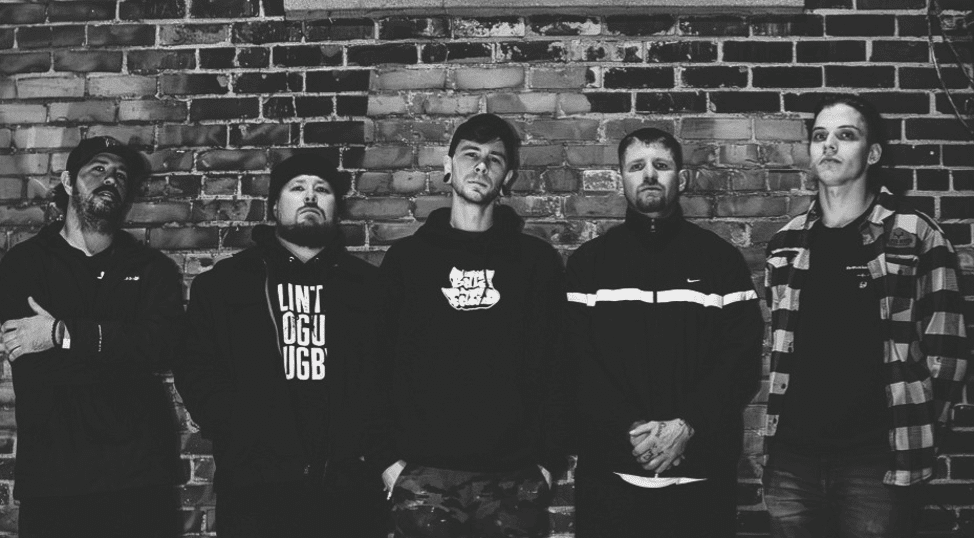
FLINT, Michigan — On the track Top Dawg, BareFaced makes a declarative statement in the first seconds of the song:
“What’s good all you fugazi motherf****ers / We’re here / Heavy steppin’, soul checkin’, house wreckin’ / And we’re here to set the record straight.”
This principle of authenticity and communicating something real is a theme for BareFaced that audiences can hear at Alley Fest in downtown Flint on July 11.
That authenticity has been foundational for the band and has resonated since their inception. From the raw energy you can feel in your chest and a ringing in your ears hours after a live performance, to the recorded tracks that push the limits of any given subwoofer, BareFaced has always made art that people can feel and that lingers with the listener long after the music has ended.
BareFaced is a band started by guitarists Tyler Weissert and Jordan Gibson. The two have known each other for nearly two decades and grew up together in Flushing. They originally started out in a cover band named after the comedy podcast Your Mom’s House, where they would play 2-3 hour-long sets in venues across Flint. After years of playing together, the duo decided to begin creating original music in 2022 under the band name FedSmoker.
In 2023, the band recruited vocalist Chris Issac, a resident of Flint’s west side who has been involved in the music scene for over a decade. The band also recruited Bassist Eli Campioni and drummer John Lopez to take their artistry to the next level. With the new lineup assembled, the band would change its name to BareFaced in 2023.
Since the band’s inception, their influence has been consistently correlated with the growth of their artistry. The band performed one of their first concerts at Tenacity Brewing with Flint music legends King 810 in attendance.
King was impressed with their performance and invited the band to open for them at their annual Halloween concert in Flint, which they have continued to perform at for the last 3 years.
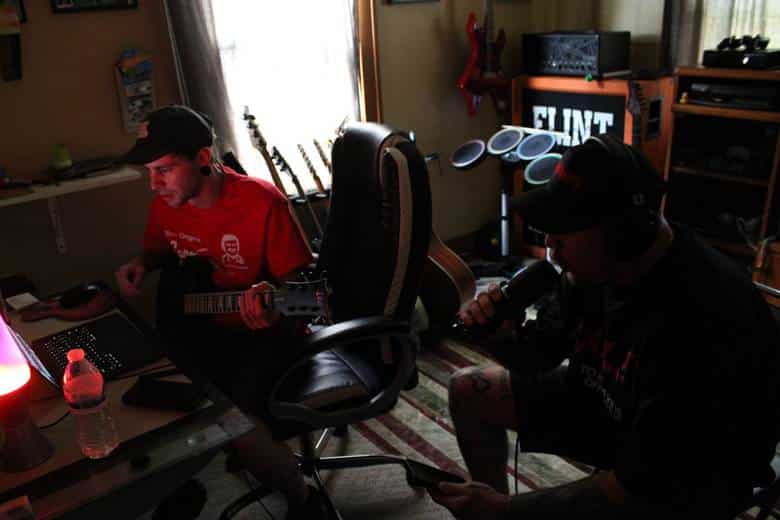
As the band has grown, they’ve performed at venues across the Midwest, in iconic venues across Flint, and opened for some of the most influential hardcore bands. An element instrumental in the growth of BareFaced as a project has been the hardcore community.
As a genre, hardcore has always been about expressing the most primal, most challenging emotions in one’s soul. The genre as well as the community has changed significantly over the years. In the 1990s and early 2000s, the genre was much more insular with an intentionally rugged and violent culture.
“I started going to hardcore shows when I was 13, 14. I’m 36 now,” Issac said. “First show I went to, I watched a dude get stabbed and thrown into a trash can. He was a Nazi. When I was young, it was legitimately a scary experience. You’re around 35-year-old men, there’s no phones, it’s a dark room, nobody cares that a 30-year-old grown man just punched you in the face cause you don’t know any better. It was hard.”
This brutal, chaotic energy had not yet been captured by the music industry in a way that was easily marketable. Nor was it made less violent to make it easier to sell to a mass audience. This made understanding, or even more challenging, attending a hardcore show, difficult in the past.
“This was before computers. You were lucky enough to find a metal show half the time, let alone hardcore. You’d hear that there was a show happening at the Masonic Temple and ‘Oh sh**, we gotta go!’ Weissert said.
Since the early 2000s, the hardcore scene has changed dramatically. Shows are no longer nearly as violent, and oftentimes traditional hardcore staples like spin kicking, shoving, and crowd killing will often catch the ire of security at any venue you may attend a show at.
While the difference is jarring for a population raised in such an unfiltered and aggressive arts community, the fact that it allows for broader participation doesn’t go unappreciated by Barefaced.
“You wouldn’t have these large shows if it wasn’t more accessible now. It’s cool,” Isaac said. “It’s pure chaos. That’s the cool part, and that’s the sh** I’ve always looked up to. You get way bigger shows now, and maybe my taste has changed. But it’s still cool.”
“It’s great to just see people out there having fun. Yeah, I want to see people engaged. It’s always cool to see people moshing,” Weissert told me. “I love seeing people’s faces when I hit a cool part, and they go ‘oh sh**!’ When you get those reactions, that’s the cool part.”
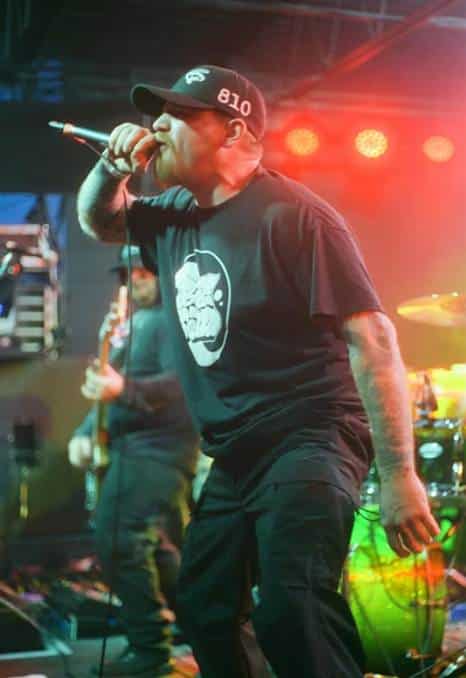
Part of what makes BareFaced unique, and what has helped them establish themselves as a beloved part of the hardcore scene in the Midwest, is that they bring an authentic, abrasive, classic hardcore energy.
Everything is as unique as each member of the band, and it comes through in each and every performance. Whether through samples from movies, television, and podcasts, or through the way they bend the genre and incorporate influences from other genres like hip-hop.
One of the most pivotal elements of BareFaced as an outfit is Isaac’s lyrics.
Chris Issac writes every morning, every day, unconditionally. For him, it’s about discipline. Issac names his biggest songwriting influences as Roger Waters of Pink Floyd and Neil Young. While the sounds of BareFaced are often abrasive, and at times Isaac’s vocals become so loud and aggressive that it’s hard to process, if a listener pays close attention to the stories being told, there are often moments of deep emotion and intimacy that bare the vocalist’s soul.
Because Flint is a city so riddled with interpersonal conflict, violence, and social unrest, Isaac’s lyrics resonate with audiences and feel especially intimate. In his words, “I’ve lived a lot of life, and I got a lot of stories to tell.”
When Isaac tells his stories, people connect with them. Even though the vocalist says he would perform regardless of audience or feedback, the lyrics he writes and the music BareFaced produces connect with people on a personal level. It’s that connection and authenticity that make the band special and have continued to fuel their growth in the hardcore scene.
“I was kinda upset we didn’t start doing this earlier,” Weissert said. “The older you get, the harder it is to get your friends together. We’re friends with the bands, ya know? You play a show, and you have conversations with people, you talk gear, talk shop, and you just make a lot of friends. Ever since we started the band, I’ve got more friends and a lot of people have been supportive.”
“Our arts & culture coverage is made possible by support from the Flint Institute of Arts.”
Author

Related Articles

Vehicle City Film Festival Set to Celebrate Michigan Filmmakers and Flint’s Film Community
Vehicle City Film Festival brings screenings, talkbacks & awards to Flint Oct. 1-3.
FIA to Host “Splendors of South Asia” Cultural Celebration
FIA hosts ‘Splendors of South Asia’ cultural celebration Oct. 3 with food, music and dance.
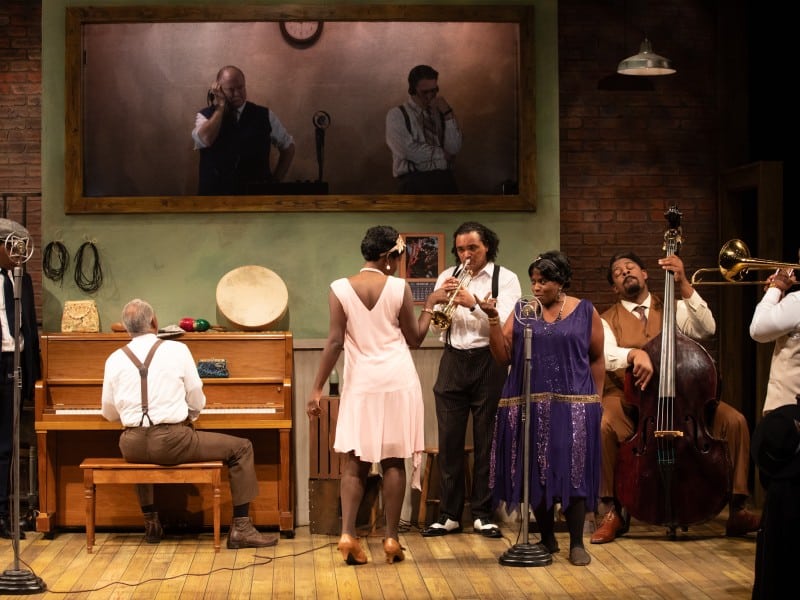
Flint Rep Opens Its Season with August Wilson’s Ma Rainey’s Black Bottom
Flint Rep opens its season with August Wilson’s Ma Rainey’s Black Bottom, Sept. 18.