
Made in Flint: A Studio, a Foundation, and a Bigger Vision for Local Storytelling
Flint Michigan Films and Flint Film Foundation help local creatives tell stories and build a film future made in Flint.
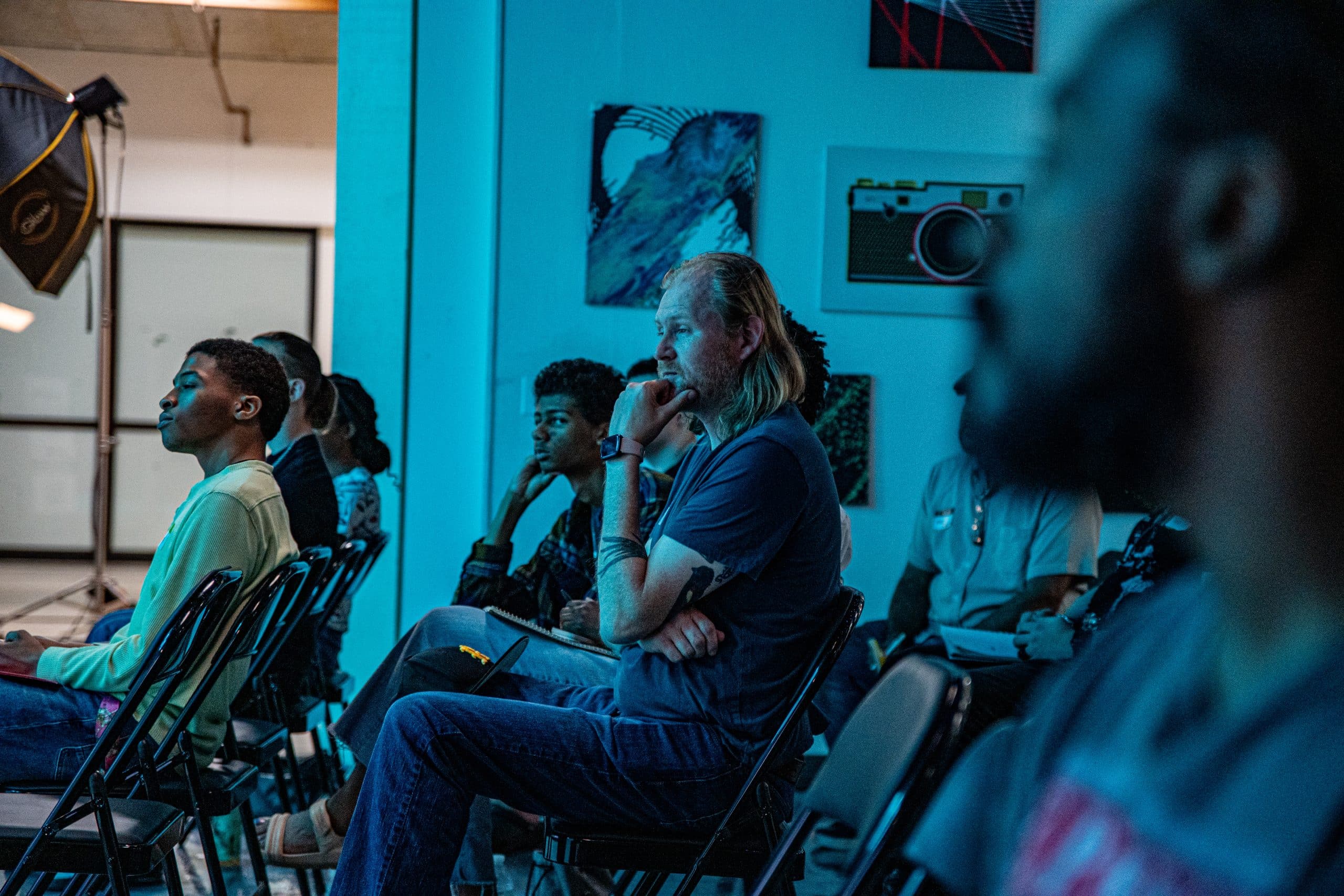
FLINT, Michigan — Inside Flint Michigan Films and the Flint Film Foundation’s growing studio space, the ideas seem to move faster than the conversation.
Before the interview fully begins, Cory James Taylor and Melissa Miller are already thinking through how to turn part of the space into a classroom. Maybe they take down a painting temporarily. Maybe they put up a projector. Maybe the students start here before moving into another room for the lighting portion of the workshop.
“Sorry, brain never stops,” Taylor says with a grin.
It’s a small moment, but one that captures the larger energy behind what Taylor and Miller are building through their connected entities. They were creating space where creative ideas don’t just stay ideas, but become lessons, opportunities, productions, and, hopefully, a new industry rooted in Flint.
For Taylor, the journey back to Flint began in 2013 after time away in the Army and school. He knew he wanted to work in film, but he also knew what people often thought when they heard where he was from.
“Even before the water crisis, I’d be like, ‘I’m from Flint.’ They’d be like, ‘Whoa. That’s a rough place,’” Taylor says. “It has its moments, but there’s so much that people just don’t know about it.”
That realization that if he was going to build something, he wanted Flint attached to it in a different way. He envisioned a time when people would hear “Flint” and think not of crisis but of quality work created by people from the city.
“I want one day for it to either say, Made in Flint or Made by Flint Michigan Films,” Taylor explains. “So it would start the narrative of something other than just what people have known.”
That dream, however, took years to build. Taylor worked in film, took on projects, mentored interns, and kept circling back to the idea of having a space. Eventually, that search brought him to Dort Mall on Flint’s south side, a place he says he had driven past dozens of times before noticing the cinema space’s potential.
From there, things began to move quickly. Conversations turned into meetings. Meetings turned into keys. And soon, Flint Michigan Films was no longer just a possibility.
Though new to the film industry, Miller helms the nonprofit arm, the Flint Film Foundation, which came after conversations with a friend around the studio about what they wanted to create. He listened and offered a simple observation.
“You know what it sounds like to me is you need a nonprofit,” Miller recalls. “I’m not kidding you. Within seven to 14 days, I had a business plan written out.”
She knew she could help build the structure, and that momentum helped lead to the creation of the foundation, which now offers workshops, training, and a growing creative community for people interested in media and film.
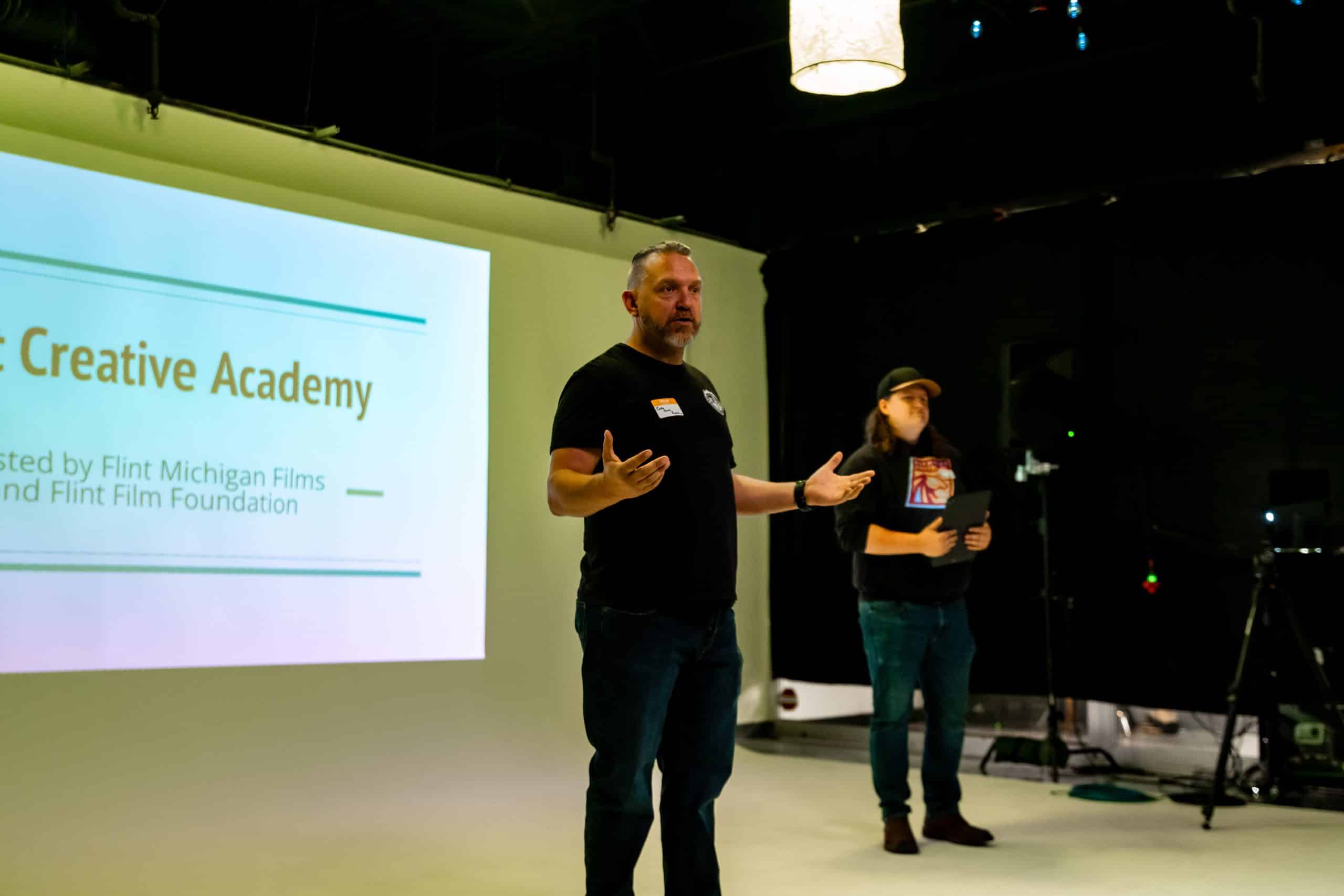
Recently, they’ve begun the first workshop series, Flint Creative Academy, with support from a grant from the Flint & Genesee Economic Alliance given to Film Michigan Films. The funding allowed them to create hands-on opportunities for participants to learn what quality media production looks like in real time.
The five-week workshop includes lessons on camera work, lighting, audio, composition, life on set, and documentary storytelling. For Miller, that last piece is especially meaningful.
“I’ve always believed everybody’s story matters,” she says. “And it’s so important to tell your story because it’s… I mean, we’re all here for a reason. I believe that. And I believe that your story is meant to be told so that it can help other people through their own story.”
That belief sits at the center of what the duo is building: a desire for Flint people to have the tools to tell Flint stories.
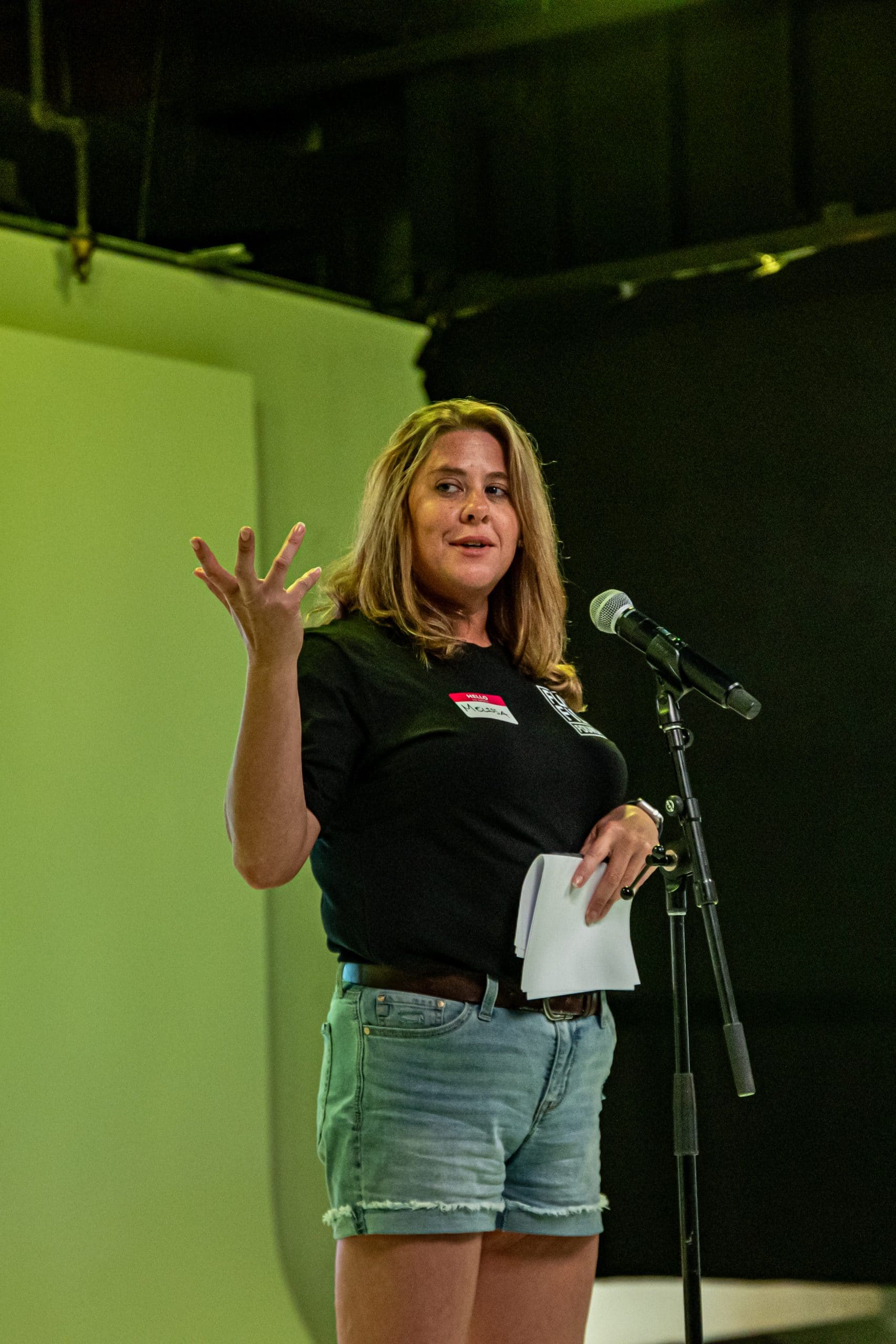
“I think ultimately, which Cory’s been passionate about, and I’m gonna jump onto that, is like we need Flint to tell the story about Flint,” Miller says. “We are unique. Flint is very unique. That stuff needs to be shown.”
She believes media can shift how people see Flint and how Flint sees itself. And while there are people, organizations, businesses, and artists “doing crazy cool things out here,” many of them don’t always know how to share them.
That’s where the foundation hopes to step in — not only by helping people create better content, but by helping them understand the value of their own stories, brands, and creative work.
Taylor’s goal, he says plainly, is to help create a film industry in Flint.
“Part of Flint Michigan Films is to kind of build a platform like, ‘Hey, this can be done. This can be done here in Flint.’”
For him, it is not just about production logistics. It is about ownership, authenticity, and opportunity. Building a local film industry also means equipping Flint’s businesses, creative scene, and everyday people with the skills to create media for themselves.
“How do I get my message out there? And how do I be authentic, and how do I be myself?” Taylor says.
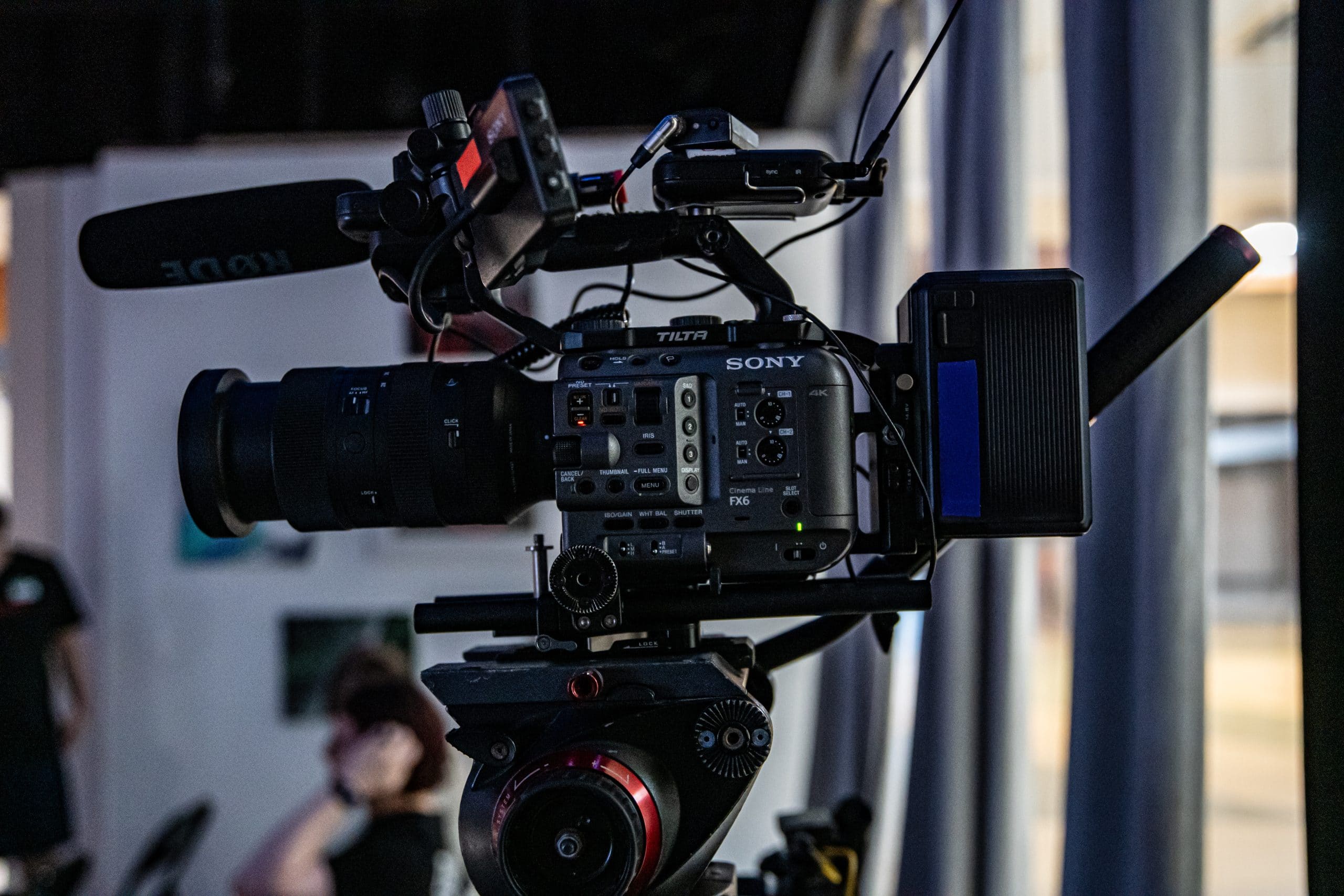
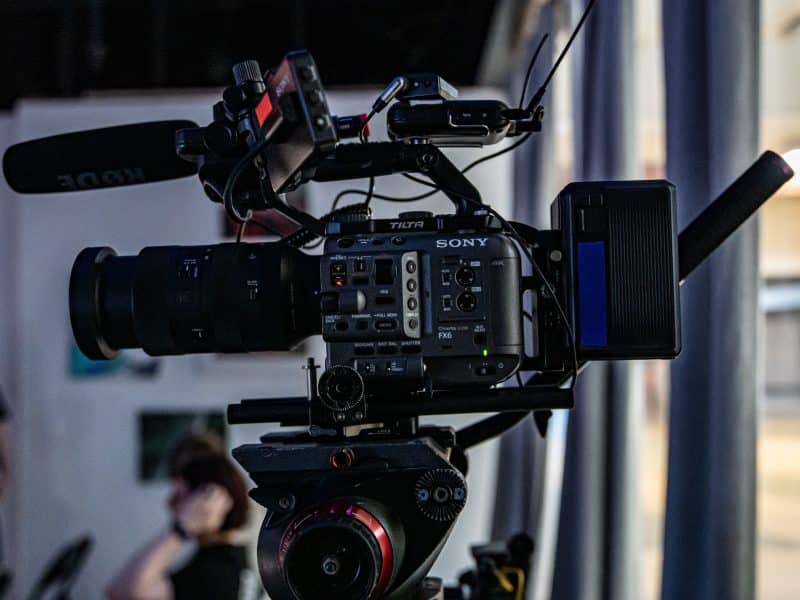
For both Taylor and Miller, the answer begins with access. Access to cameras. Access to lights. Access to studio space. Access to people who know what it means to work on a set and understand that filmmaking is both creative and physical labor.
“You can’t go to college for this and learn,” Taylor says. “The only way you learn is just to be on set. In it.”
That is why the long-term vision includes paid internships, access to equipment, studio space, and opportunities for young creatives to build lives in Flint rather than leaving to find work elsewhere.
Miller adds that she wants the Flint Film Foundation to become a hub “where the whole ecosystem of all of the creatives come together, and we all create and make magic.” In addition, she has a deep desire to see artists paid for what they are worth.
Although not originally from Flint, Miller has found the city’s creative community both inspiring and complicated. She sees talent everywhere, but also the effects of past disappointment, trauma, broken promises, and failed collaborations. Still, she believes something powerful can happen if people choose to work together.
But Taylor and Miller know that as the business grows, the work will get harder. More visibility means more expectations. More opportunity means more pressure to stay grounded. And staying grounded means remembering the mission.
“The mission is to do good work,” Taylor explains. “That’s my mission: to do good work and to help people do good work.”
When asked what one wish they would have for Flint, Miller let’s it be known she’d like “everybody [to] get out of their own way. Like, we need to collaborate, and we need to push through,” she says.
For her, the Flint Film Foundation’s work is about helping the city see itself beyond the repeated narratives.
Taylor’s wish is similar, though it arrives from a different place. He hopes the city can “give each other more grace” — especially for those trying to build something new — with “more opportunities to learn from each other when mistakes are made and not just write them off.”
That may be the heart of what Taylor and Miller are building: not just a foundation or a company, but a space where mistakes can become lessons, where ideas can become industries, and where Flint creatives can finally have the tools, resources, and support to tell their own stories.
In a city too often defined by outsiders, Flint Michigan Films and the Flint Film Foundation are pushing for something different — a future where Flint is not only the setting, but the storyteller.
And if Taylor and Miller have anything to do with it, the credits will read exactly the way they always imagined: Made in Flint.
You can visit Flint Michigan Films and Flint Flim Foundation websites to learn more.
Author

Related Articles

Free “Paris Is Burning” Screening and Panel Coming to FIM Capitol Theatre Oct. 15
Free screening of ‘Paris Is Burning’ with a panel discussion comes to Flint’s Capitol Theatre Oct. 15.
Vehicle City Film Festival Set to Celebrate Michigan Filmmakers and Flint’s Film Community
Vehicle City Film Festival brings screenings, talkbacks & awards to Flint Oct. 1-3.

FIA to Host “Splendors of South Asia” Cultural Celebration
FIA hosts ‘Splendors of South Asia’ cultural celebration Oct. 3 with food, music and dance.