

Conversations With Flint: Reflections From Flintside’s On The Ground Listening Session
What Flint residents asked of us — and what it means to be a trusted local news source.
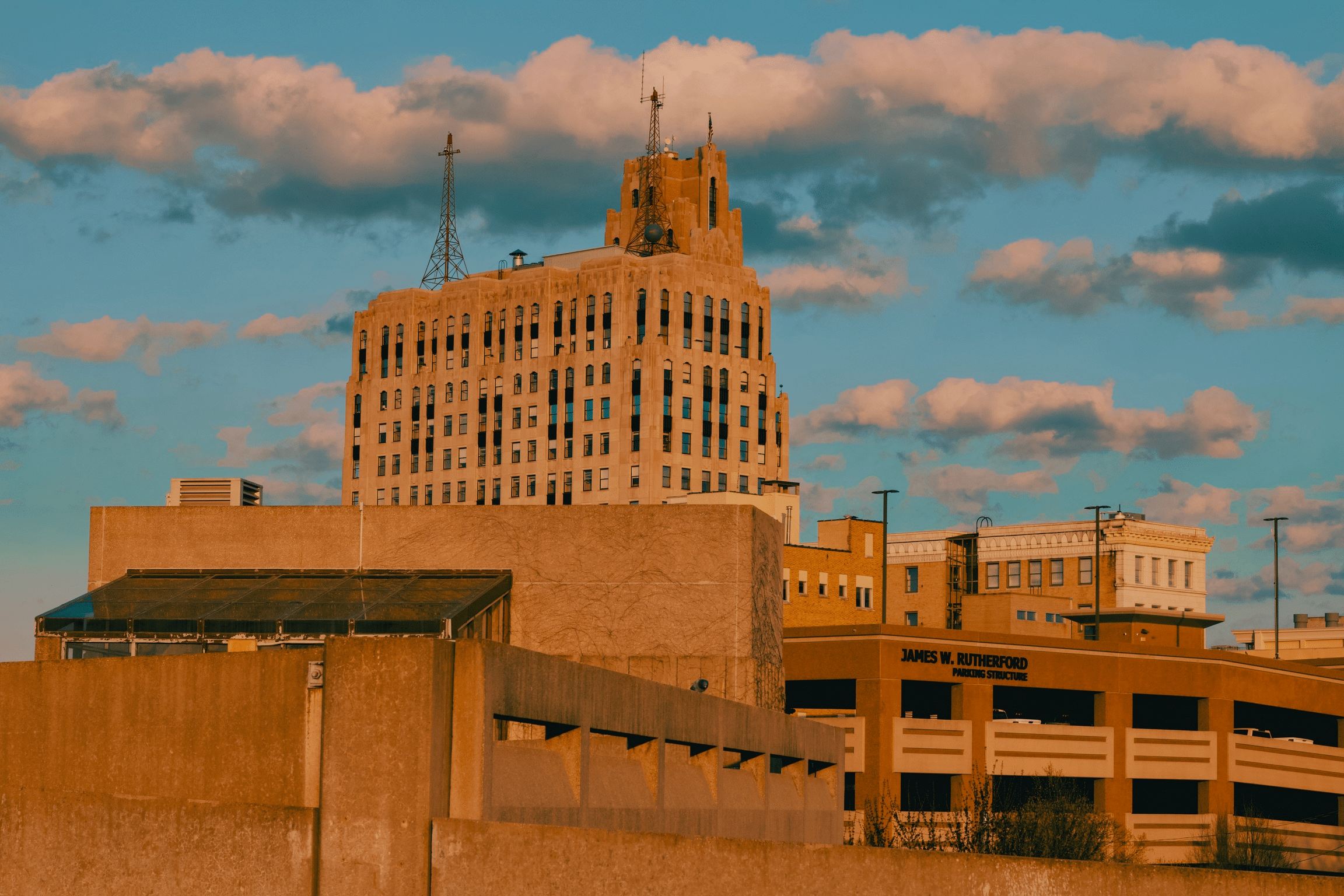
FLINT, Michigan – When I walked into the Gloria Coles Flint Public Library for our On The Ground listening session last week, I wasn’t entirely sure what to expect. I’d done these sessions before, both in person and virtually, throughout neighborhoods and at the library.
We frame these events as a simple, collaborative space — a chance for people to share what they’re seeing across Flint and what stories they believe matter most. But as the conversation unfolded, it became clear that what we were building was something deeper than a brainstorming session.
It was a moment of accountability.
A small, but intentional group showed up. And for two hours, we sat in conversation — not surface-level, not combative, but grounded in lived experiences. People came prepared with ideas, questions, and, in many ways, expectations.
Some of those ideas were clear and immediate. There was a call for more consistent coverage of LGBTQ+ people and issues. There was a push to highlight neurodivergent individuals and businesses, to make space for stories that don’t often get centered. Environmental justice came up, too, as it often does in Flint, from lingering effects of the Water Crisis.
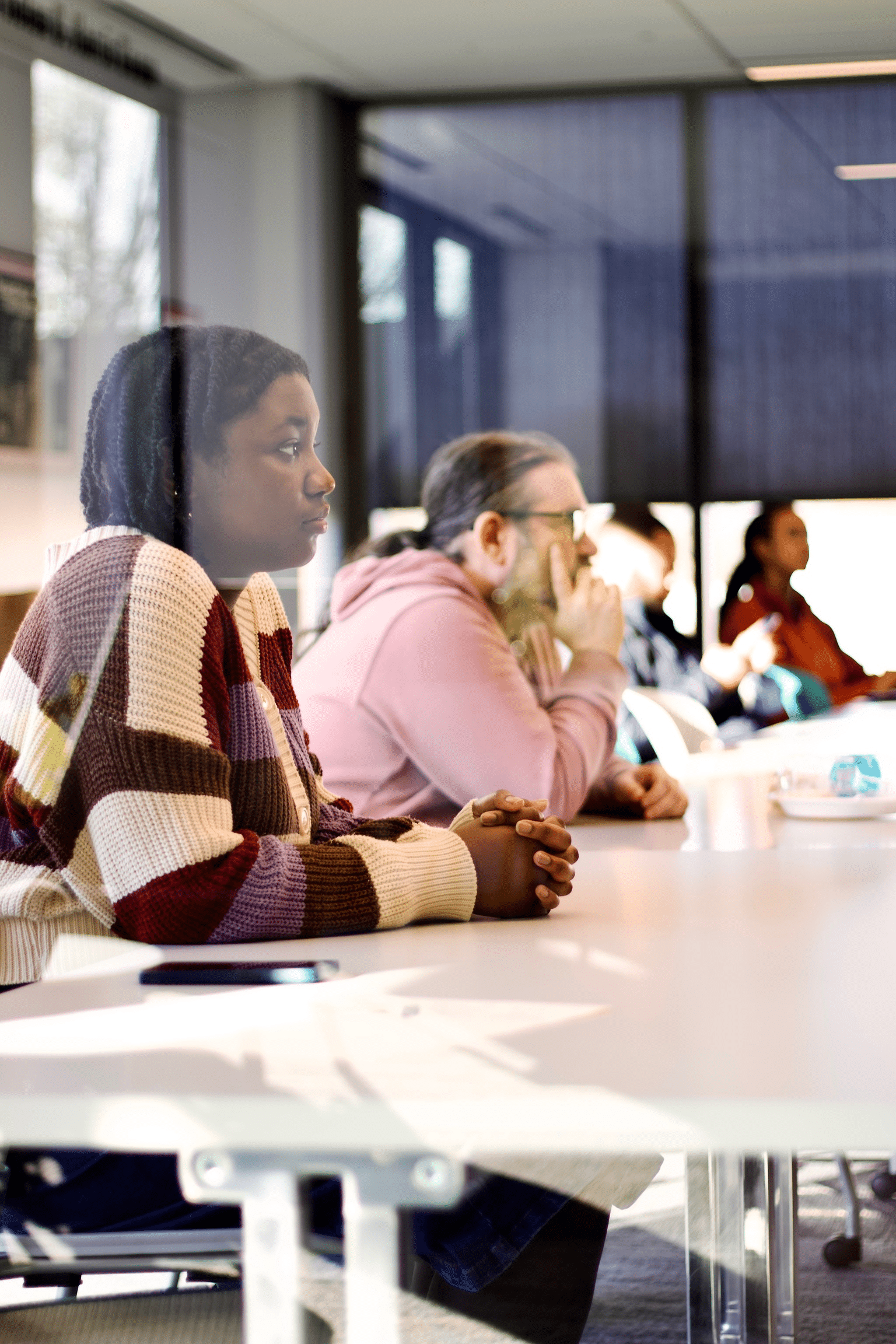
There was also curiosity about change. People want to understand the developments happening across the city — new apartments, renovations, investments — but more importantly, they want to know how these things come together and who they’re for.
But if I’m being honest, those weren’t the moments that stayed with me the most. What shifted the room was the conversation around Flint’s political climate.
With midterms approaching and the city in the process of electing a new mayor, the conversation wasn’t only about what’s happening — they were asking what we, as a newsroom, are going to do about it. They asked about misinformation — how it spreads, how it confuses, how it impacts decision-making.
They asked if Flintside could break down policies, track where tax dollars are going, and create voter guides that help people navigate elections with clarity.
These weren’t casual suggestions. They were direct questions about responsibility. And then, there was affirmation.
People spoke about the work we’ve done — stories on organizations like the Flint Alliance for Immigrant Rights and the International Center of Greater Flint. They talked about how we’ve been able to take larger narratives — stories on shootings, bombings, health and wellness — and make them feel local and relevant. They also made heavy mention of the “heart” that resides within the publication and the stories that we produce. That mattered to them.
But even in that praise, I felt there was something else underneath it: a sense that Flintside is becoming something the community is paying attention to in a different way. I felt that most clearly when people kept asking if we would host more sessions like this.
However, things shifted. The conversation became not about coverage areas or story ideas, but about identity.
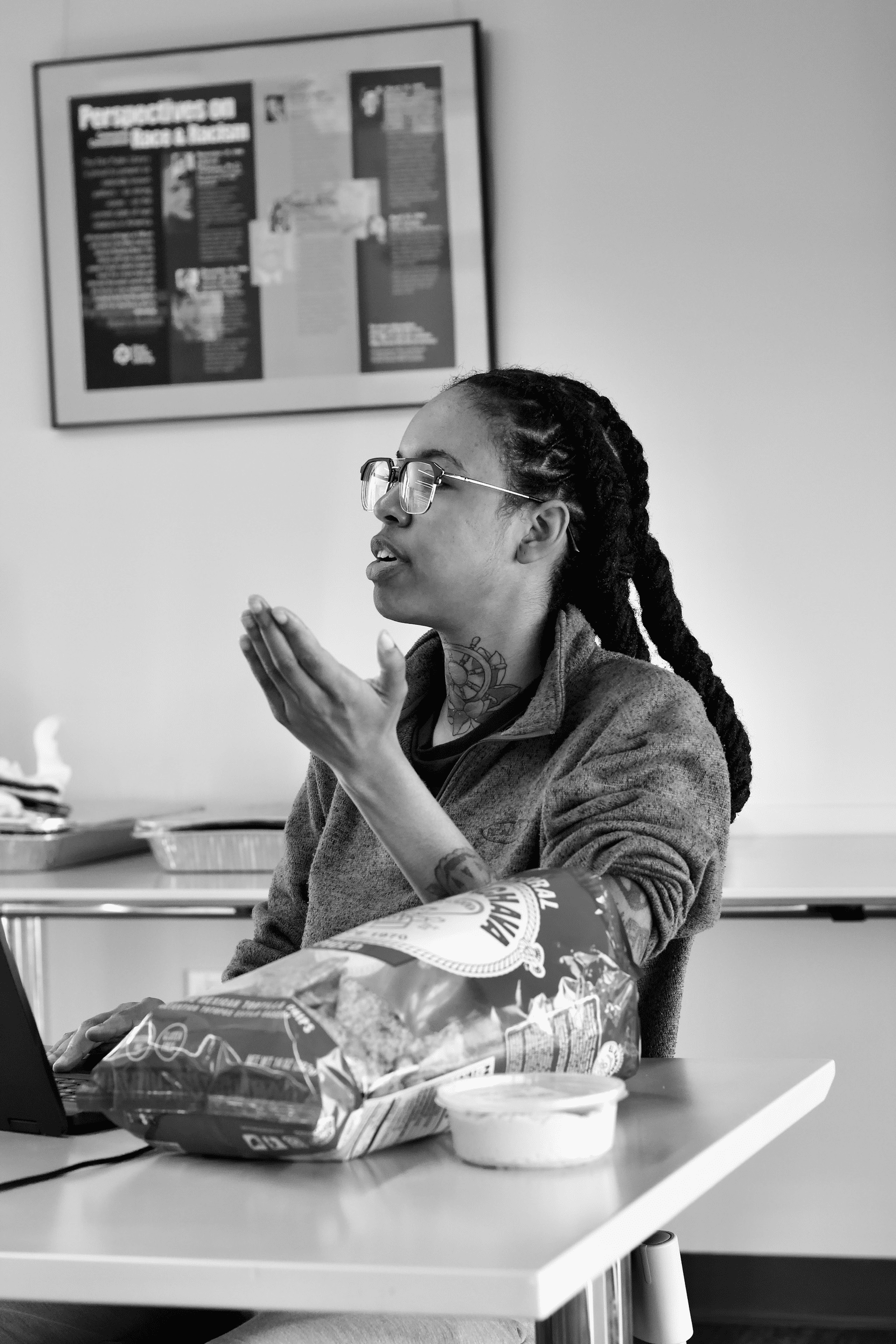
“What makes Flintside a trusted source?” someone asked. “And how will I use Flintside to advance Flint’s culture and educate the community?”
I’ve never been asked those questions directly before. And I’d be lying if I said I answered them perfectly. Although it has made me stop and reflect. Those questions aren’t just about what we publish. They’re about who we are — and who we’re trying to become.
As news and journalism change in line with the times, it’s become clear to me that people don’t just want more stories. They want clarity. They want consistency.
They want to understand how decisions are made and why certain things are covered. And more than anything, they want to trust that the work we’re doing is rooted in them.
That’s not something you can manufacture or copy from other publications. It has to be built over time.
What stayed with me was the feeling that people see potential in Flintside — not just as a publication, but as a platform that could truly reflect the city in all its complexity. That’s both affirming and challenging.
Because it means the work ahead isn’t just about filling gaps. It’s about being intentional in how we show up — in the stories we pursue, the voices we center, and the way we communicate with the community we serve.
Having been in this role for 6 months, this felt like a starting point — one that reminded me that journalism, at its best, isn’t just about reporting on a community. It’s about being in conversation with it.
To those who showed up, thank you. To those who like, share, subscribe, and comment, we thank you. And to the community that holds us accountable and with love, we hear you and appreciate it.
If you have story ideas, questions, comments, or concerns, please don’t hesitate to email us at editor@flintside.com.
Author

Related Articles
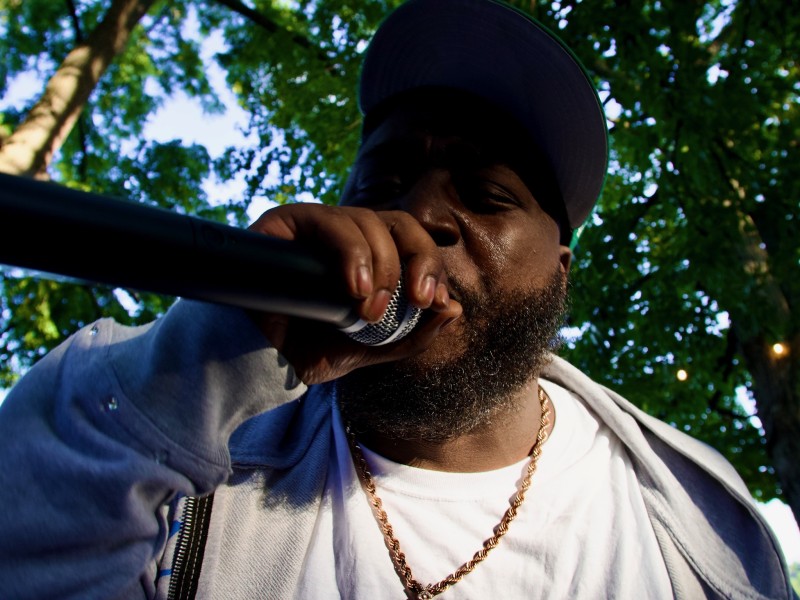
In Pictures: Live At Carriage Town 2026
Flint’s Live At Carriage Town celebrated the city’s vibrant music and creative arts scene.
In Pictures: Brownell-Holmes
Photographer Ryan Hobson journeyed into the Brownell-Holmes neighborhood to capture the old, the new, and the future.
Coalition Building for Immigrant Justice: How FAIR Flint Is Strengthening Support
FAIR Flint strengthens immigrant support through advocacy, resources, and coalition building.